Sijing Ancient Town
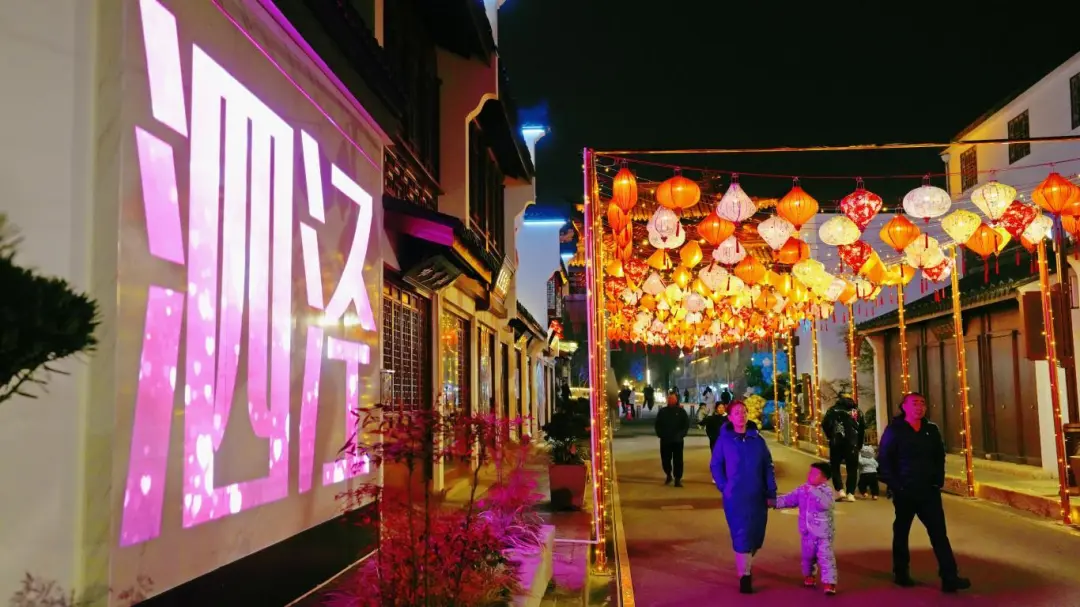
With a history spanning over 1,000 years, Sijing Ancient Town is steeped in historical and cultural significance.
Located at the confluence of four waterways: Bojing, Waipojing, Dongjing, and Zhangjing, the town naturally developed a strong advantage in transportation. By the Ming Dynasty (1368-1644), it had already become a major grain distribution center in Shanghai's Songjiang district.
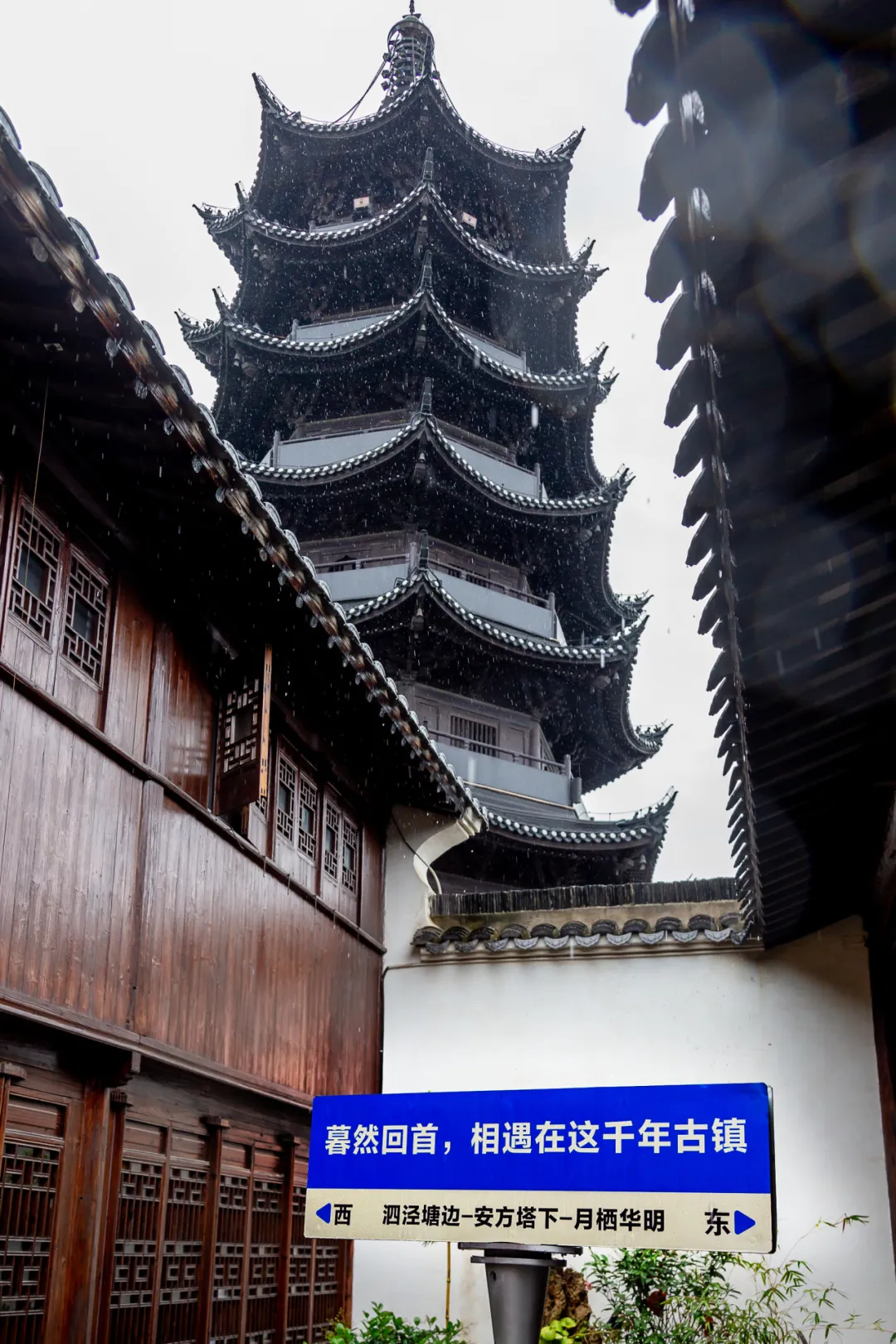
The 3A-level scenic spot is renowned for many types of distinctive architecture such as the seven-story, octagonal Anfang Pagoda, which stands 35.18 meters tall. When the wind blows, the bronze bells hanging from the eaves chime softly, creating a crisp and pleasant sound.
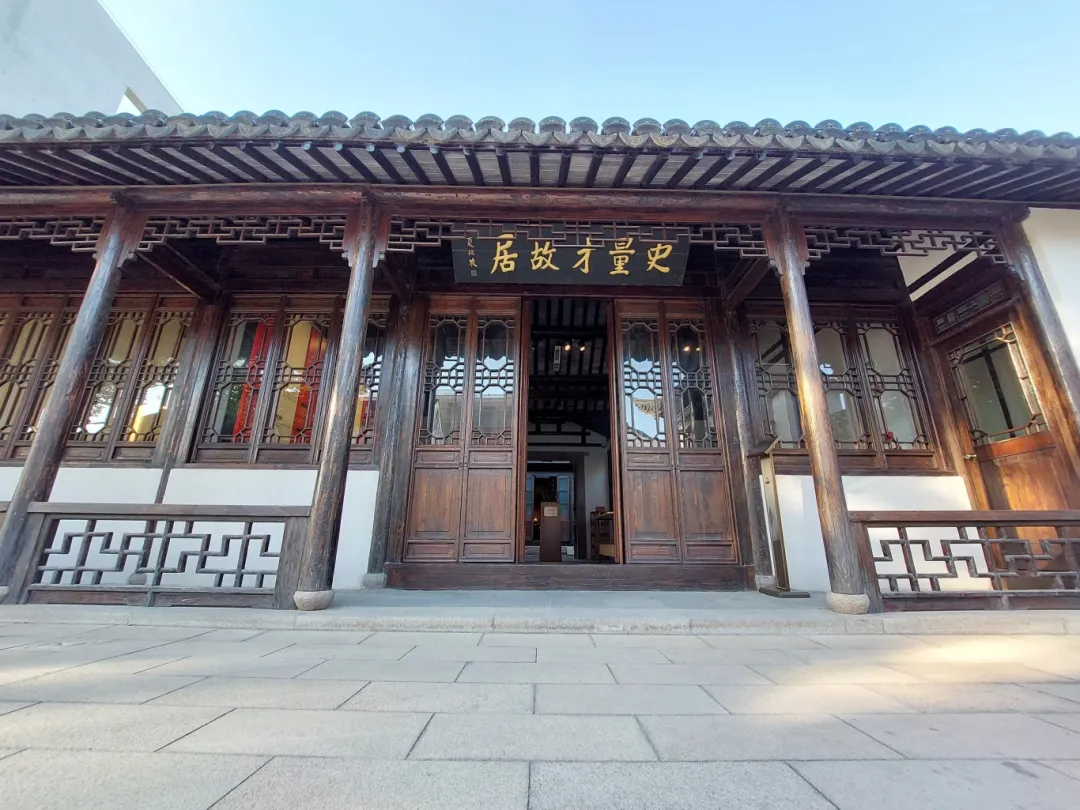
In addition, Sijing Ancient Town also houses the former residences of Ma Xiangbo, the first principal of Fudan University and teacher of the famous educator Cai Yuanpei, and Shi Liangcai, general manager of Shun Pao (an influential newspaper published from April 1872 to May 1949 in Shanghai).
While the town's architecture and history offer a glimpse into its storied past, its local delicacies bring the charm of Sijing to life in every bite. Food lovers can indulge in regional favorites like Aliu tangyuan (glutinous rice balls), Sijing mutton, Guangli zongzi (pyramid-shaped glutinous rice dumplings wrapped in bamboo or reed leaves), and Sijing xiaolongbao (steamed meat buns).
Those who can't get enough can also visit the Sijing Night Market near Sijing Metro Station, where a variety of specialty dishes from across China are on offer.
If you go
Location: Middle Kaijiang Road, Sijing town, Songjiang district
Open: all day long (Opening hours of individual attractions within the town may vary.)
Admission: Free
(Updated on Feb 24, 2025)
Source: Songjiang district government
Editor's Pick

FAQs
- What if my passport expires but my Chinese visa is still valid?
- Can pets and owners depart from different countries while complying with customs regulations?
- Can a minor travel to China and stay in a hotel without a parent's presence?
- Who is eligible for the 240-hour visa-free transit policy in China?