Chuansha Ancient Town
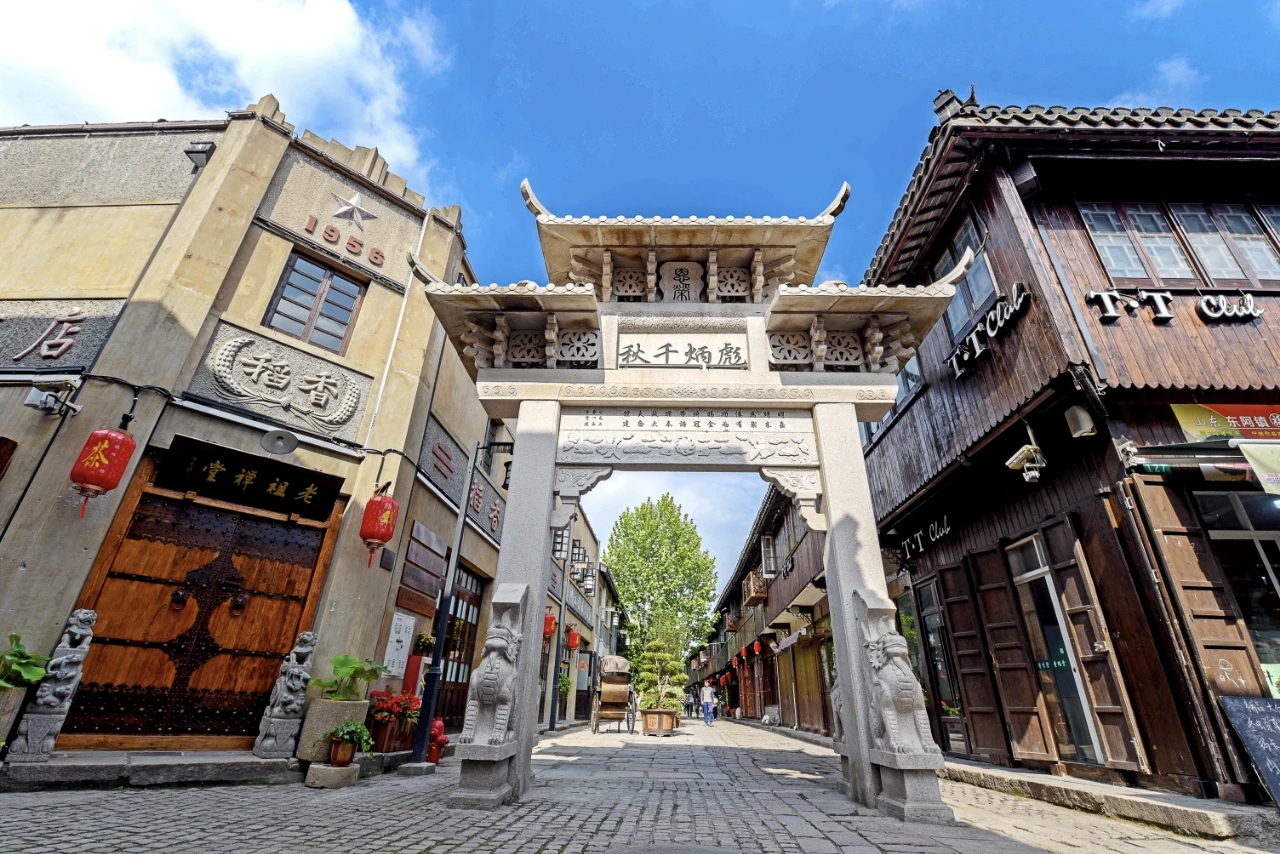
Chuansha Ancient Town stands as a living connection to Pudong's past. This well-preserved historic quarter tells the complete story of Shanghai's eastern development, from its Ming Dynasty (1368-1644) origins to its modern rise.
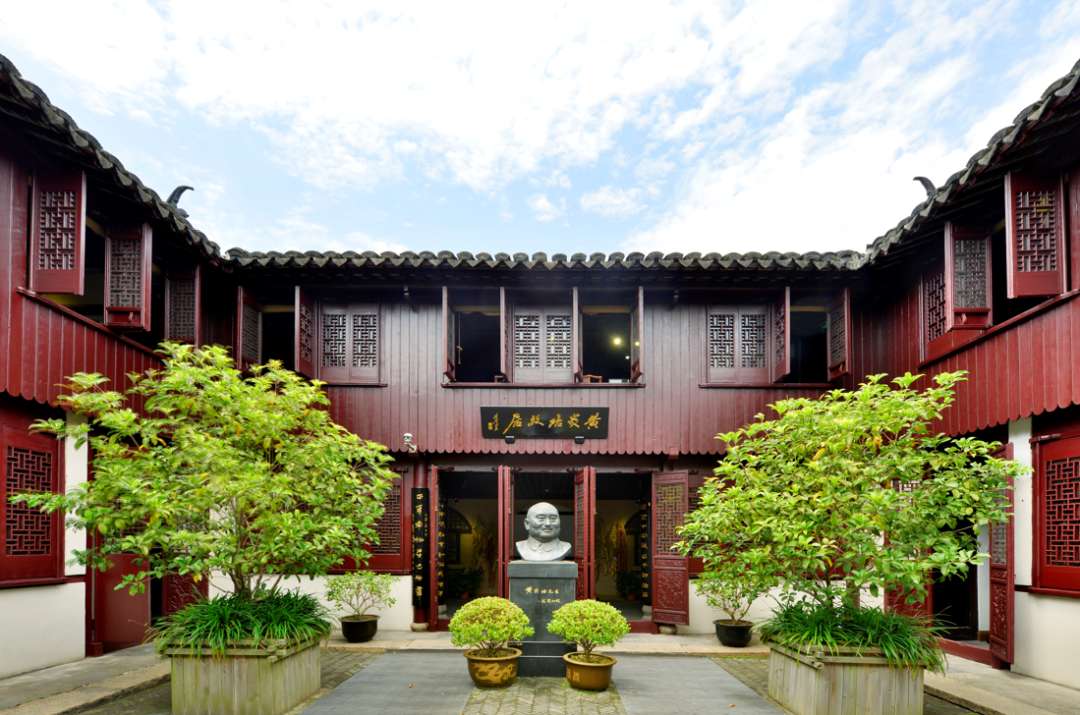
The town retains its original fortress layout, surrounded by a protective moat that inspired its local name, "fortress town". Visitors can explore significant sites, including the remnants of the Ming Dynasty city wall, the former residence of renowned educator and political leader Huang Yanpei, and the Chuansha Construction Pavilion that celebrates the town's unique legacy.
Known historically as the "town of builders", Chuansha produced skilled craftsmen who helped shape Shanghai's iconic skyline. Yang Simao, a pioneer of modern Shanghai construction and a native of Chuansha, established Shanghai's first modern construction company. Local workers contributed to landmark structures, including The Customs House and the Bank of China building.
The town takes pride in being the hometown of over 100 notable Chinese figures, including Soong Ching Ling, educator Huang Yanpei, composer Huang Zi, and scholar Hu Shi.
Chuansha's rich spiritual heritage is reflected in its diverse places of worship. Visitors can explore the Confucius Temple, ancient Buddhist sites such as the Changrenchan Temple, Taoist temples dedicated to local deities, Christian churches, and a temple honoring Mazu, the Chinese sea goddess.
Chuansha has been officially recognized as a "hometown of Chinese folk culture". The town's cultural traditions remain vibrant through performances of Shanghai Opera, Jiangnan sizhu music — performed with traditional stringed and woodwind instruments, and preserved Pudong folk songs.
(Updated on Dec 2, 2025)
Source: Pudong New Area government
Editor's Pick
FAQs
- What if my passport expires but my Chinese visa is still valid?
- Can pets and owners depart from different countries while complying with customs regulations?
- Can a minor travel to China and stay in a hotel without a parent's presence?
- Who is eligible for the 240-hour visa-free transit policy in China?