Caotou tabing: A taste of Baoshan's heritage
Start of Summer, or li xia, is the seventh of the "24 solar terms" on the traditional Chinese calendar. It signals the beginning of early summer, when greenery flourishes and the air is filled with the fragrance of blooming flowers. As cherry blossoms fade, roses take center stage. In Baoshan district, this seasonal transition also brings a local culinary staple: caotou tabing, known as clover pancakes.
A history rooted in folklore
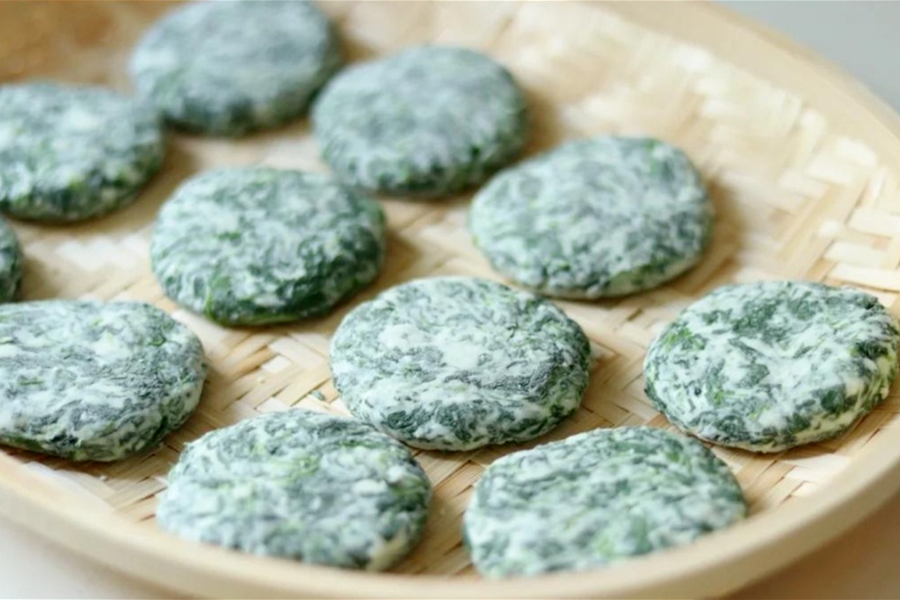
The craft of making Luodian caotou tabing was officially recognized as an intangible cultural heritage item of Baoshan district in 2025, though its origins stretch back much further.
Legend has it that long ago, a severe drought struck the Luodian area, destroying crops and leaving locals struggling to find food. A kind-hearted farmer's wife gathered wild clover from the fields and mixed it with glutinous rice flour to make pancakes. Not only were they tasty, but they also helped fill empty stomachs. Over time, the practice spread and became a beloved regional tradition.
Historical records from as early as 1882 mention a "tasting the fresh harvest" custom in Baoshan during Start of Summer, when people sampled fresh seasonal ingredients to pray for good health and a bountiful harvest. Caotou tabing was an essential part of this ritual, and some accounts trace the dish even further back, to the Ming Dynasty (1368-1644).
How they're made
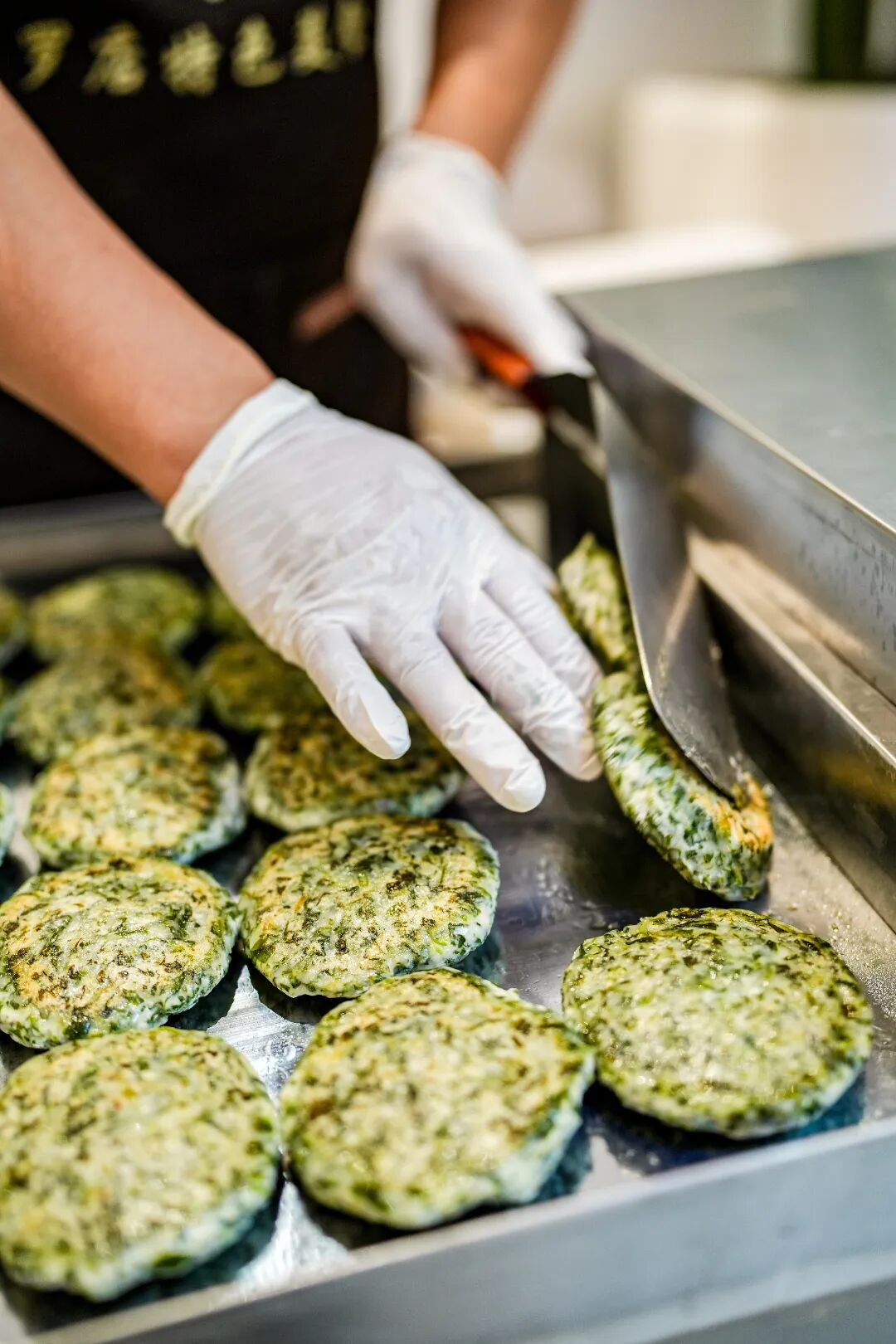
Making caotou tabing is a meticulous process. Fresh clover is washed and finely chopped, then mixed with glutinous rice flour, water, and a pinch of salt to form a dough. The dough is divided into small portions, filled with either minced meat or sweet red bean paste, and pressed flat into rounds. The pancakes are then pan-fried until both sides are golden brown.
Where to try them
In Luodian Ancient Town, a small shop called Guzhen Wu Ayi (Aunt Wu of the Ancient Town) is renowned for its caotou tabing. The owner, Chen Yefeng, is a recognized bearer of the intangible cultural heritage craft. He sticks to traditional methods and uses fresh ingredients, turning out authentic pancakes popular with both locals and visitors. In Yuepu town's Yueshi village, caotou tabing has also earned a modest reputation among food lovers.
Source: Baoshan district government
Editor's Pick


FAQs
- What if my passport expires but my Chinese visa is still valid?
- Can pets and owners depart from different countries while complying with customs regulations?
- Can a minor travel to China and stay in a hotel without a parent's presence?
- Who is eligible for the 240-hour visa-free transit policy in China?