Shanghai night school opens cultural classes for international students
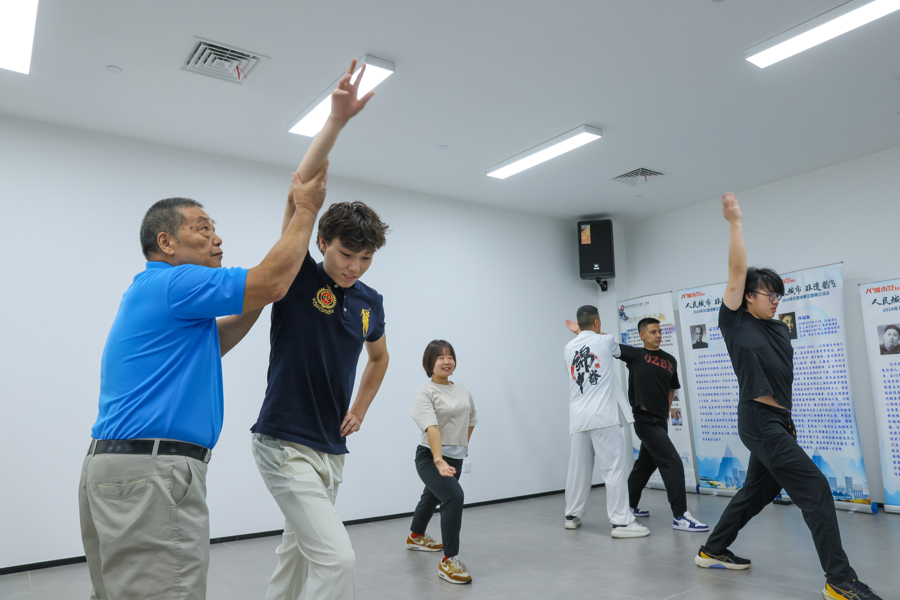
The Shanghai Citizen Art Night School opened its first customized course for international students on the evening of Sept 2 at the Yangpu District Culture and Art Center, inviting students to experience traditional culture first-hand.
The class featured four intangible cultural heritage workshops: mianquan, a traditional Chinese exercise; diabolo playing; Dunhuang mural line drawing; and ink stick gilding. They offered students a vivid introduction to the charm of Chinese culture and promoted cross-cultural exchange.
Among them, mianquan and inkstick making are recognized as national-level intangible cultural heritage, while diabolo playing and Dunhuang mural line drawing are listed as regional-level heritage.
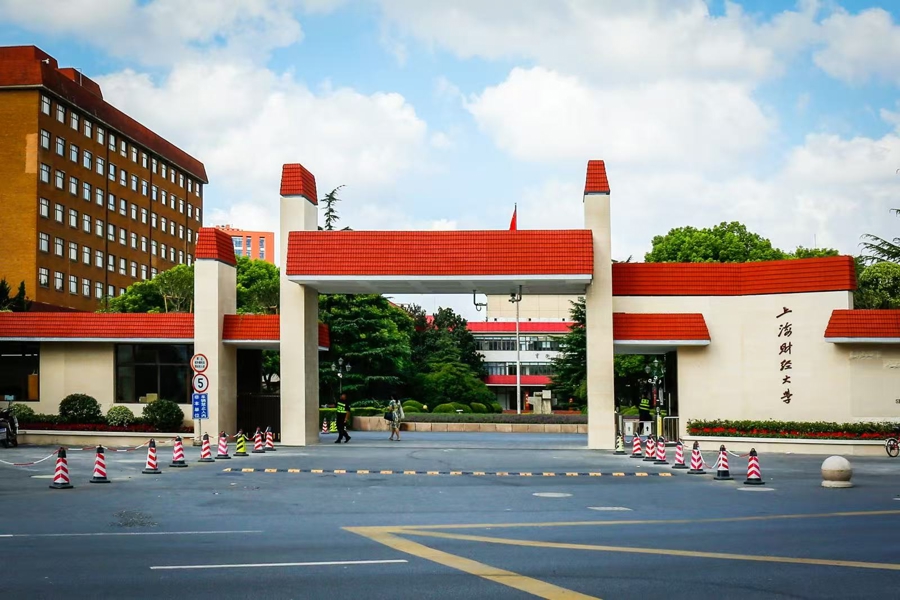
A sophomore from Uzbekistan studying at Shanghai University of Finance and Economics practiced basic mianquan movements under the guidance of intangible cultural heritage inheritor Wang Zhuqing. The student, who had practiced tai chi a few times, noted that both exercises share similarities. They appear soft but are powerful in each movement, and practicing them helps build a strong and healthy body.
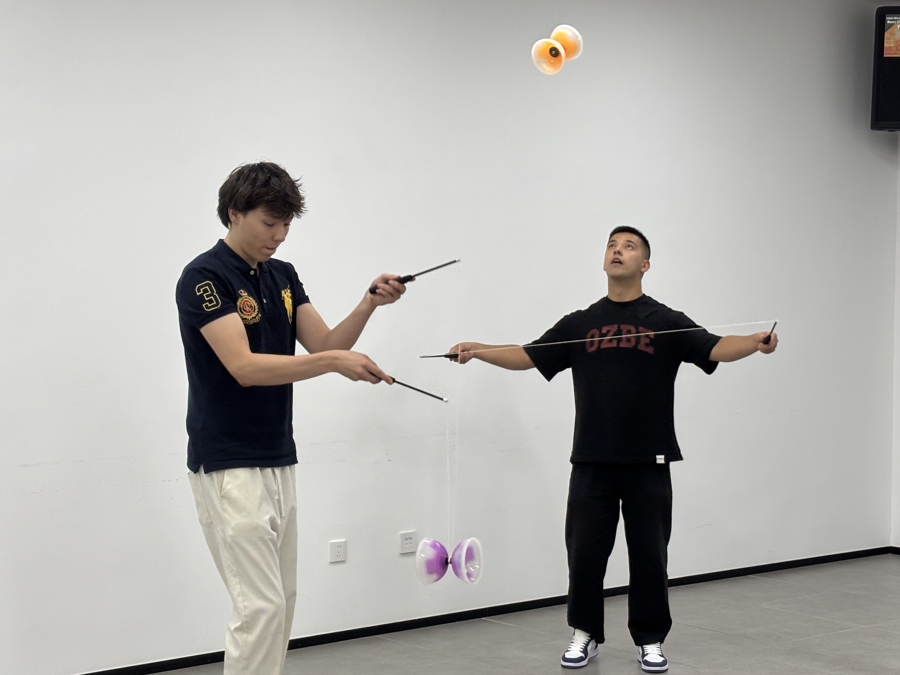
The diabolo session attracted students from Pakistan and Uzbekistan, who tried their hand at this playful activity, also known as Dou Kongzhu in northern China. To prepare, they even watched short videos before class.
In another classroom, Dunhuang line drawing teacher Shen Wenyi introduced Dunhuang murals. A Russian student, majoring in international trade at Shanghai University of Finance and Economics, arrived half an hour early out of eagerness to participate and shared her excitement. She immediately signed up for the class after seeing the announcement. She loves traveling in China and recently visited Hangzhou, Shaoxing, Taizhou, and Ningbo in Zhejiang province, with her brother during summer break. She now dreams of visiting Dunhuang. A German student, after trying her hand at copying Dunhuang murals, marveled at how China's treasures from thousands of years ago remain captivating today.
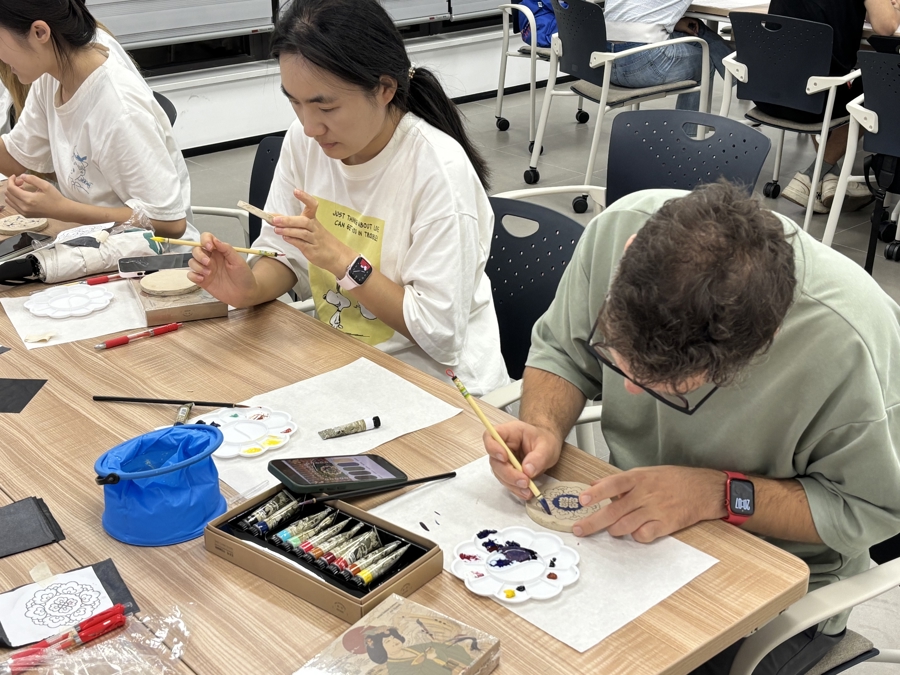
Students also experienced ink stick gilding. A Malaysian student shared that having learned Chinese martial arts and calligraphy as a child, he gained a deeper appreciation for China's traditional heritage. He said that engaging with such delicate art forms opens new perspectives and allows for a fuller understanding of Chinese culture.
The courses are designed to be beginner-friendly and rewarding. In just one class, students can grasp the basics of diabolo playing, and after a few sessions, they can perform tricks. For the static arts, students can take their creations home as unique souvenirs.
To bridge language gaps, the courses are supported by professional translators and volunteers, ensuring smooth communication and high-quality teaching.
Source: Shanghai Observer