Discover the G320 tourism route in Jinshan district
A glimpse into history:
Jinshan district, named after Dajinshan Island — the highest point in Shanghai — carries a legacy that dates back over 6,000 years. Human habitation began over 5,000 years ago, and by the Spring and Autumn period (770-476 BC), a thriving city had emerged. Dajinshan Island is also Shanghai's first nature reserve and home to the city's only mid-subtropical vegetation, with 98 plant families and 208 species, making it a natural botanical garden.
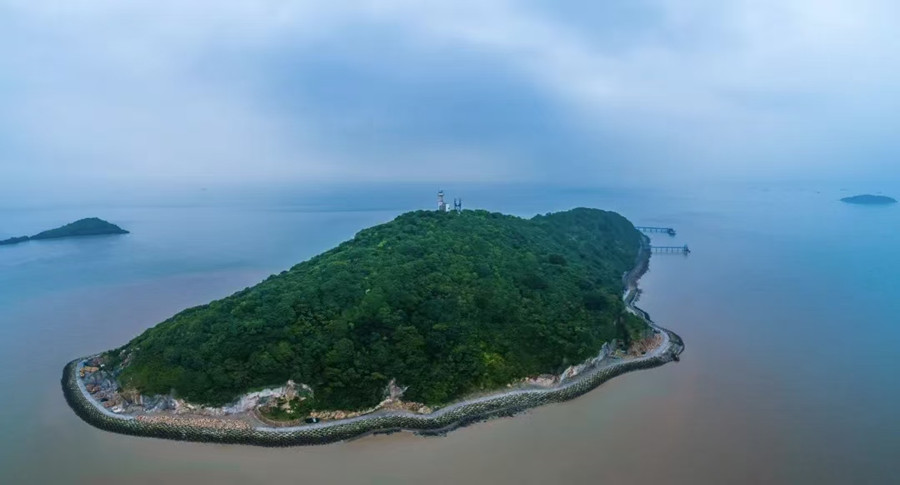
As the first area in Shanghai to rise from the sea, host early settlers, and establish administrative structures, Jinshan's development journey has been extraordinary. It went from housing coastal fishing villages to soaring skyscrapers, all while preserving a vibrant tapestry of ancient towns, villages, buildings, and relics. These sites, like gleaming pearls, weave together the rich history of Jinshan's millennia-old civilization.
Explore the G320 tourism route
Located in Jinshan district, Legoland Shanghai Resort will open on July 5. As the world's largest Legoland park, it spans 31.8 hectares and features eight themed zones.
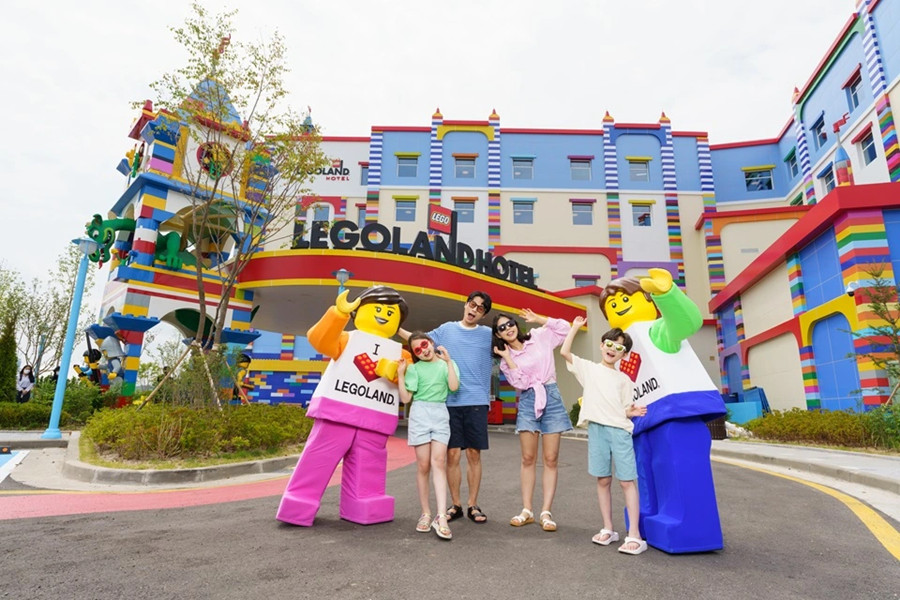
In preparation for the grand opening, the district has launched a tailored transportation guide for visitors, enhancing the promotion of the tourism route along the G320 Highway.
The highway links the resort to key attractions in northern Jinshan. Along its course, the towns of Fengjing, Zhujing, and Tinglin are home to an abundance of tourist attractions and a rich cultural legacy.
Here is a guide to exploring the G320 tourism route.
1. Fengjing town
Fengjing holds the distinction of being Shanghai's first nationally recognized historical and cultural town and has historically been a cradle of talent. In ancient times, it gave rise to three top scholars, while in more recent times it has produced luminaries such as the cartoonist Ding Cong, master painter Cheng Shifa, and Go champion Gu Shuiru.
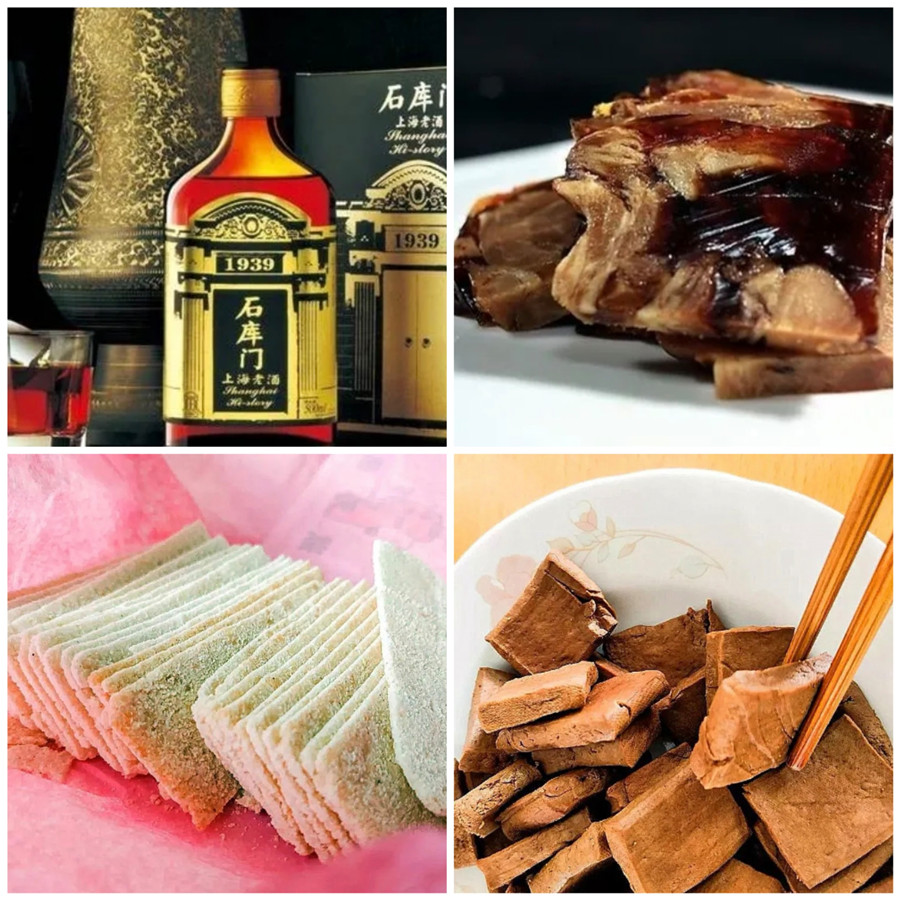
Known as the "town of delicacies", Fengjing offers a culinary tapestry woven from centuries of tradition. The "Four Treasures of Fengjing" — yellow wine, pork trotter, Zhuangyuan cake, and dried tofu — are particularly renowned, constantly enticing the palates of visitors.
(1) Fengjing Ancient Town scenic area
Address: No 28 Alley 8588, Tingfeng Highway, Fengjing town
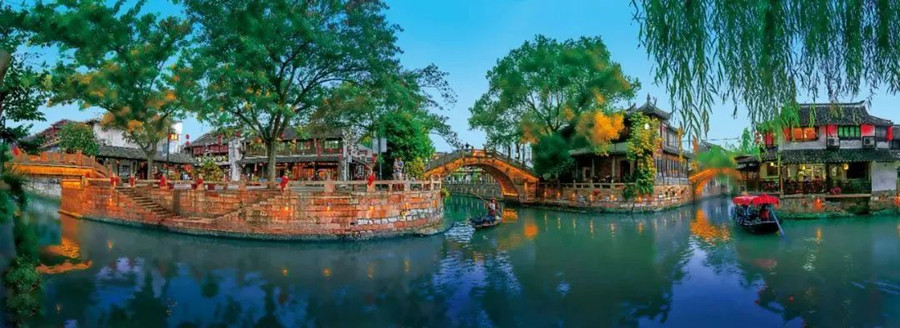
The best way to enjoy Fengjing Ancient Town is with a simple stroll through its quaint streets, which are lined with cultural venues, offering a deep dive into its rich history.
The ancient town boasts over 20 waterways and numerous ancient bridges. Bridges like Zhihe, Baoyuan, Qingfeng, and Beifeng carry names steeped in meaning, reflecting the people's aspirations for a better life. Walking past these ancient structures, one will immediately be enveloped by a profound sense of history.
(2) Chinese Farmer Painting Village
Address: No 169 Alley 8258, Zhufeng Highway, Fengjing town
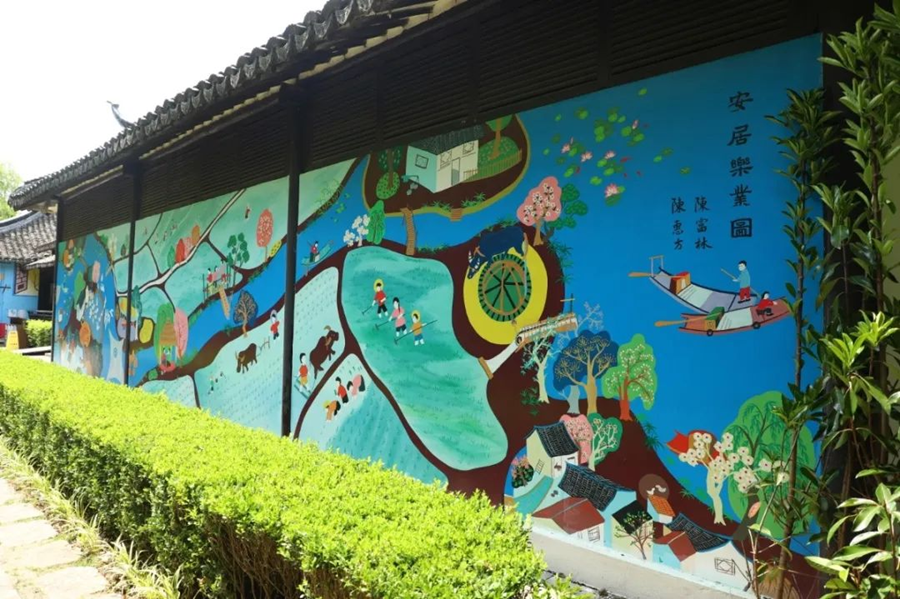
When you visit Fengjing, be sure to take a stroll through the Chinese Farmer Painting Village. Here, you'll encounter an array of artworks that exude the earthy charm of rural life. These paintings are renowned for their vivid and luminous colors and expressive techniques. Don't miss the opportunity to create your own painting.
2. Zhujing town
As you wander through Zhujing's streets, you will feel a deep sense of history and culture, with ancient buildings and traditional performances leaving a lasting impression.
In addition to its picturesque scenery, Zhujing's culinary offerings are equally tempting. The Zhujing Fangrou (smoked and boiled ham), a dish named after its origin, is a source of nostalgia for many locals. Crafted from selected pork hindquarters, it offers a rich flavor, firm texture, and savory taste. Be sure to give it a try.
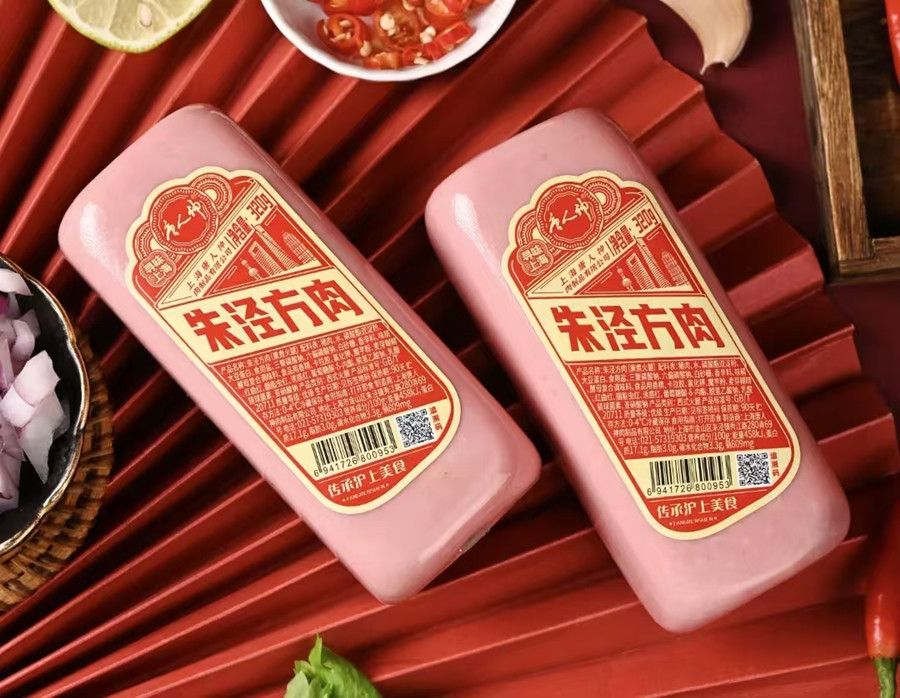
Zhujing town also features two national 4A-level attractions: the architectural wonder of Donglin Temple and the ecologically stunning Shanghai Blooming Garden.
(1) Donglin Temple
Address: No 150 Donglin Street, Zhujing town
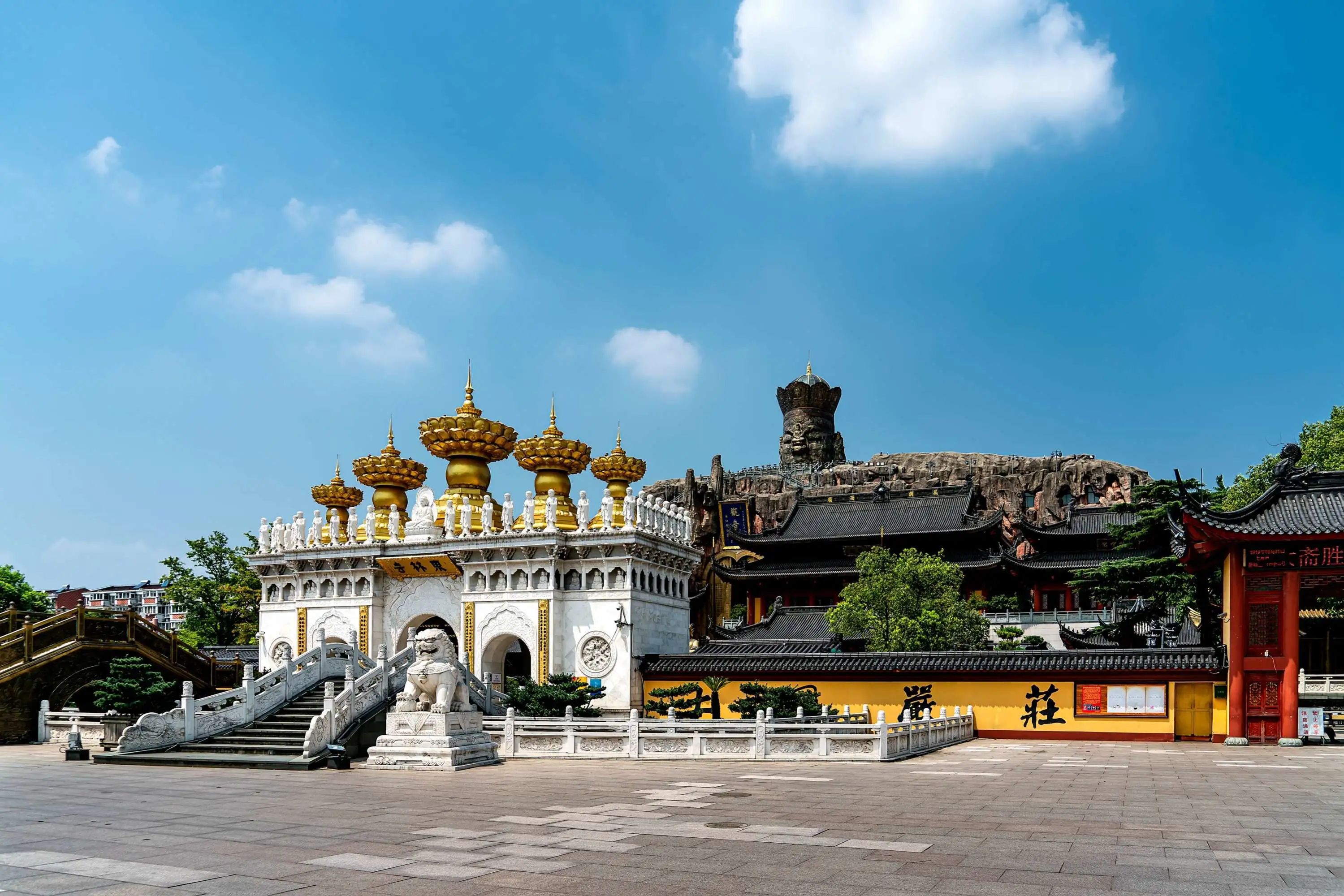
Originally built in 1308 and restored and expanded in 2007, Donglin Temple is a Buddhist wonder located on a spectacular mountain. The entire mountain resembles a giant Buddha, and the temple is a serene place to experience meditation and tea ceremonies.
(2) Shanghai Blooming Garden
Address: No 6060 Xiujing village, Zhujing town, Jinshan district
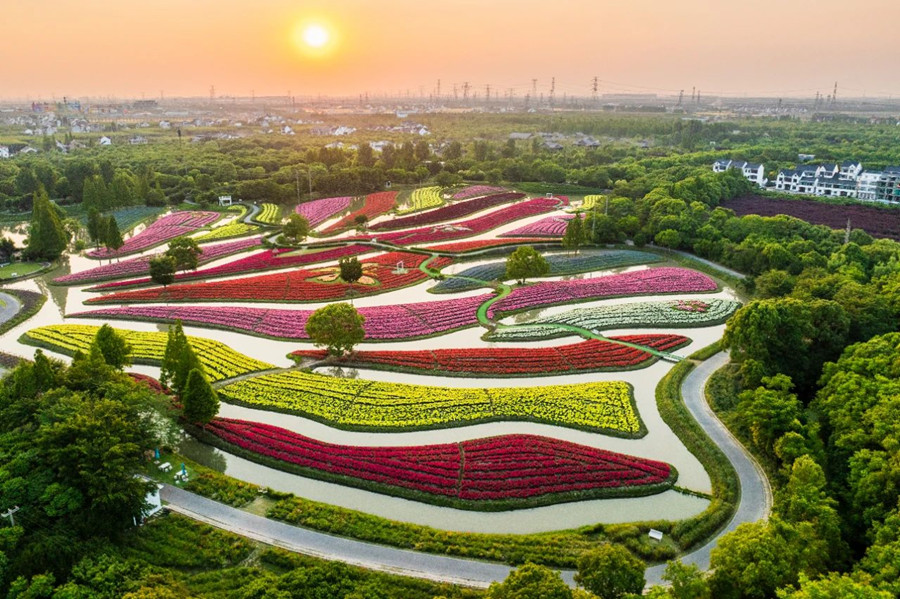
Spanning approximately 82 hectares, Shanghai Blooming Garden integrates science education, exhibitions, and sightseeing, featuring over 800 species of ornamental plants. It is the most distinctive flower-themed park in the Yangtze River Delta region.
From May 1 to 31, visitors dressed in full hanfu (traditional Chinese clothing) attire or cosplay costumes will be able to enter for free!
3. Tinglin town
Tinglin town, the birthplace of Shanghai's Liangzhu culture (a prehistoric rice-cultivating civilization), is steeped in rich cultural heritage and historical significance. During the Southern Dynasties of Liang (502-557) and Chen (557-589), the renowned historical geographer and philologist Gu Yewang chose this town as his retreat, and his pseudonym "Tinglin" inspired the town's name.
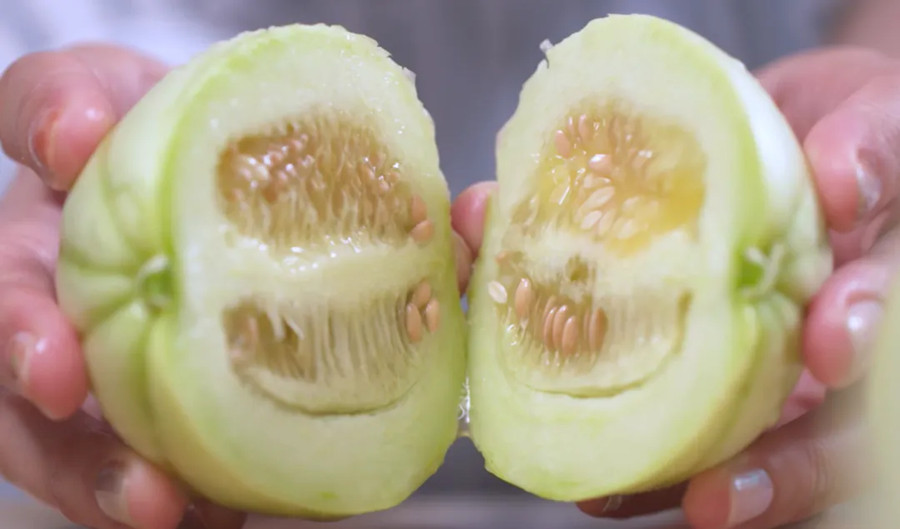
When visiting Tinglin, don't miss the chance to savor the snow melon, one of Shanghai's four famous melons, boasting a history of over a century. The melon has a snow-white rind, crisp and tender flesh, and a sweet taste.
(1) Tinglin Relics Park
Address: No 51 Huating Road, Tinglin town
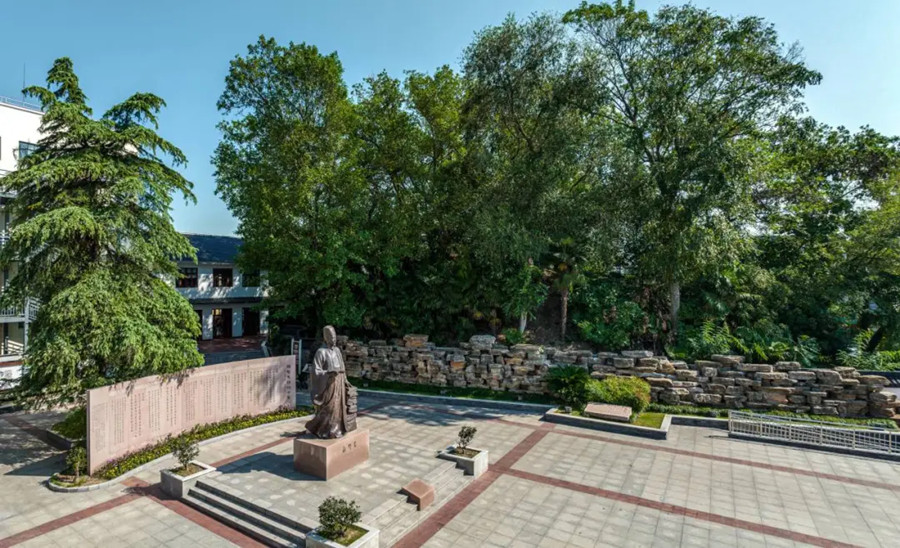
This scenic area consists of Tinglin Park, Tinglin Academy, and Gu Gong Square. Tinglin Park has been the site of several significant archaeological discoveries, including pottery, stone, jade, and bone artifacts from the Liangzhu culture period.
The entrance to Gu Gong Square features a gate designed in the Han (206 BC-AD 220) and Tang (618-907) architectural styles, symbolizing the long-standing presence of the Gu family, who have resided in the area since those dynasties.
Adjacent to Gu Gong Square is Tinglin Academy, where visitors can enjoy the sight of majestic pine trees while immersing themselves in a serene atmosphere.
(2) Songyin Temple
Address: No 58 Huayanta Road, Jinshan district
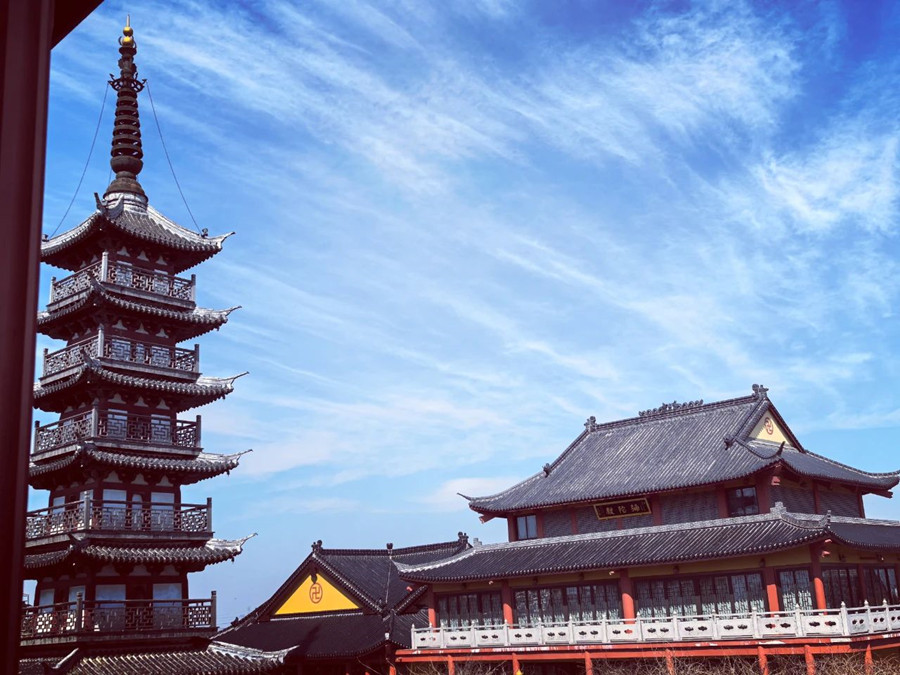
Songyin Temple, originally known as Songyin Nunnery, was established during the Yuan Dynasty (1271-1368). The temple is home to the Huayan Pagoda, a protected cultural relic of Shanghai. In front of the temple stands the Huayan Pagoda Bridge, a stone arch bridge that, despite numerous restorations over the centuries, still retains its timeless, rustic charm.
Sources: Official WeChat account of Jinshan district administration of culture and tourism at "jinshantour", Official WeChat account of the publicity department of the CPC Jinshan district committee, Official WeChat account of Zhujing town government