Campus safety guide for new college students in Shanghai

Shanghai has issued the 2025 Shanghai College Freshman Registration Safety Guide. It outlines potential risks, provides case analyses, and offers preventive tips for new students during the registration and settling-in period.
The guide is designed to raise students' safety awareness, strengthen their ability to prevent risks, eliminate potential hazards, and foster a safer and secure campus environment to ensure a smooth start to their university life.
Admission letters and student loans
As admission letters are being dispatched, fraudulent activities may also arise. Freshmen should remain vigilant and take appropriate precautions.
- Prevent personal information leakage via admission letters
Cases of scams targeting prospective college students through leaked personal information have been growing concerns in recent years. Legitimate organizations providing financial support will never request ID numbers, bank card details, mobile verification codes, or other sensitive information over the phone. They will also never demand fees or require transactions via ATMs or online banking.
- Apply for student loans through official channels
If you plan to apply for a student loan, first consult your school or the relevant local government departments for guidance. Avoid unverified online loan platforms, which often involve illegal scams.

How to verify an admission letter
1. Check the school's authenticity:
The list of accredited institutions can be found on the International Service Shanghai Portal:
I Want To - Study in Shanghai - Choices
2. Verify admission information:
Confirm admission details through official channels. Ensure the notification is sent from the school's official email address. Carefully check details such as name, nationality, passport number, CSC number, and application number. You may also call the admissions office of your chosen institution for confirmation.
Registration scams
1. Posing as a new student to join freshman group chats, gaining trust, and then requesting payments under pretenses.
2. Impersonating teachers, counselors, or senior students to collect fees for books, newspapers, stationery, or to sell fake internet cards, campus cards, or phone cards.
3. Pretending to be student club members to recruit freshmen and charge membership fees.
Safety tips:
Keep your counselor's contact number and the hotline of the campus security. If you encounter suspicious activity, report it immediately. Call the local police station or dial 110 if necessary.
Telecom and online fraud
1. When purchasing concert tickets, second-hand electronics, or gaming accounts, avoid direct transactions outside official platforms. Do not trust prices far below market value. Platforms such as Xiaohongshu and Xianyu are often associated with higher fraud risks.
2. Any offer promising "earn thousands daily," "high returns," or "local dating" through app downloads or click-farm tasks is a scam.
3. Fraudsters may impersonate police, teachers, or acquaintances on Weibo, QQ, WeChat, or email to request deposits, subsidies, or emergency loans.
4. Lending or selling bank cards, phone cards, or social media accounts for others to use in illegal activities may constitute aiding cybercrime and carry legal consequences.
Travel safety
1. Check the weather forecast before traveling. Avoid going to unfamiliar places. Travel with companions, inform family and the school of your plan, and stay reachable.
2. Purchase tickets only from official websites or authorized ticketing counters for rail, airline, or ship travel.
3. Confirm travel delay notifications directly with the relevant agencies to avoid scams.
4. Queue in designated waiting areas to avoid crowding or stampedes.
5. Keep your valuables with you when traveling and be alert to pickpockets.
6. Do not overshare with strangers on public transportation, including trains, flights, ships, subways, and buses.
7. Note emergency exits on all forms of transport and be prepared to evacuate if necessary.
Personal and property safety
1. Protect personal information, secure valuables, lock doors when leaving dormitories, secure bicycles, and retrieve food deliveries or packages promptly.
2. In classrooms, canteens, libraries, and other public spaces, keep your belongings in sight.
3. Avoid conflicts, provocations, fights, or drunken disturbances.
4. Reject harassment, stalking, or unwanted advances and seek timely assistance.
5. Abide by the laws and avoid illegal activities related to pornography, gambling, drugs, or buying prohibited items.
6. Do not accept food, drinks, or gifts from strangers.
Information security
1. Learn basic counter-terrorism safety knowledge, including self-rescue and mutual aid.
2. Be alert to attempts to obtain personal information through photos, questions, part-time jobs, or emotional manipulation.
3. Express your opinions rationally, both online and offline. Do not spread rumors, distort facts or engage in malicious defamation.
4. Strengthen cybersecurity awareness: protect passwords, use secure networks, avoid scanning unverified QR codes, and do not click on suspicious links.
5. Do not photograph or share images of any military facilities.
6. Do not buy or sell restricted items illegally.
7. Do not leak personal, corporate, or classified documents.
8. Do not disseminate illegal political publications.
9. Keep internal and external networks separate. Do not connect wireless devices to internal network computers.
Fire safety
1. Do not tamper with electrical wiring or use substandard appliances. Unplug devices and switch off the power before leaving.
2. Do not smoke, discard cigarette butts, or use open flames such as candles, mosquito coils, matches, or lighters in dorms. Avoid storing flammable materials or blocking balconies.
3. Follow school rules on e-bikes. Do not park in hallways or elevators, and never charge batteries indoors.
4. Familiarize yourself with fire escape routes in public areas on campus. Do not block fire exits or damage fire-fighting equipment.
5. Report fires immediately by calling 119 or campus security.
Note: Unauthorized electrical appliances are prohibited in dorm rooms. These include induction cookers, electric kettles, high-power hair dryers, hand warmers, and curling irons.
Health and hygiene
1. Maintain regular rest and avoid staying up late.
2. Eat a balanced diet and avoid junk food.
3. Exercise moderately each day; aim for at least one hour of aerobic activity.
4. Limit tobacco and alcohol to protect your health.
5. Wash hands before eating, after handling trash, or visiting public spaces to reduce infection risks.
6. Keep a positive mindset. Build resilience, manage stress, and seek counseling support if needed.
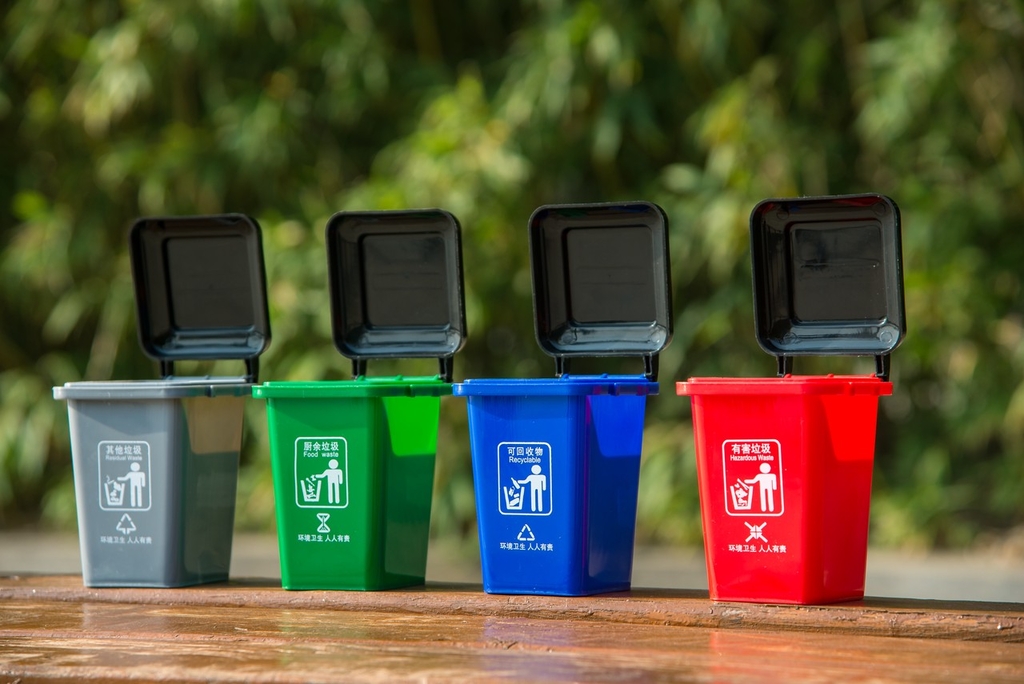
Waste sorting in Shanghai
From your first day on campus, follow Shanghai's waste sorting regulations. All waste must be categorized into four types:
Recyclable waste
Items that can be recycled. Keep them clean and dry, empty containers before disposal, and flatten packaging. Wrap sharp or fragile items to prevent injury.
Hazardous waste
Dispose of carefully. Wrap fragile items and medicines securely. Empty pressurized containers before discarding. If no hazardous waste bin is available, take the items to a designated collection point.
Household food waste
Perishable waste. Separate wet waste from other types at the source. Drain excess moisture and remove packaging before disposal. If no bin is available, take the items to a designated wet waste collection point.
Residual waste
Waste that does not belong to the other three categories should go into residual waste containers. Keep the environment clean when disposing of waste.
We wish you a safe, healthy, and enjoyable campus life in Shanghai.
Source: Official website of Shanghai Dianji University Graduate School