How to establish arbitration center in Shanghai
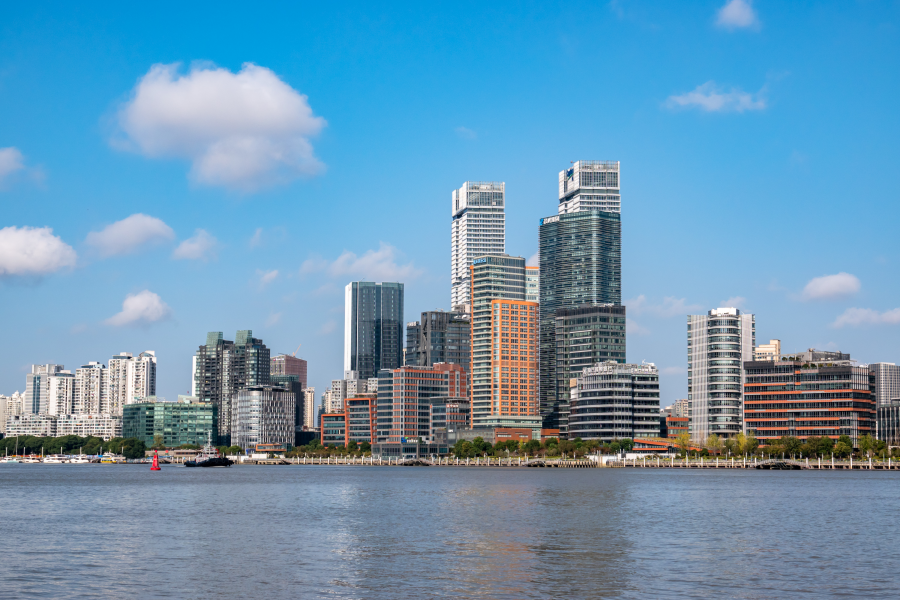
For those international arbitration organizations looking to expand their reach and to also tap into the burgeoning Asian market, Shanghai presents a compelling opportunity. Recent regulatory updates have simplified the process of establishing a business presence in the global hub.
This guide breaks down the key aspects of setting up an arbitration center in Shanghai, based on the newly revised Administrative Measures for the Establishment of Business Organizations by Foreign Arbitration Institutions in Shanghai issued by the Shanghai Municipal Bureau of Justice, effective June 1.

Qualified applicants
The updated regulations pertain to foreign arbitration institutions seeking to establish a presence in Shanghai. The term "foreign arbitration institutions" encompasses non-profit arbitration organizations legally established in foreign countries. It also includes arbitration and dispute resolution bodies established by international organizations to which China is a member.

Eligibility requirements
To be eligible, a foreign arbitration institution must meet the following criteria:
- Time of operation: Be legally established and continuously operational for more than five years.
- Substantial operations: Demonstrate a history of actively conducting arbitration business with significant international recognition.
- Qualified leadership: The proposed head of the Shanghai business organization must possess full civil capacity and have no criminal record related to intentional offenses.

Application materials
- Two copies of all application materials are required.
- Any documents in a foreign language must be accompanied by a Chinese translation, which will prevail in case of discrepancies.
- Institutions from other jurisdictions must have their documents notarized in their home country. If the home country is a signatory to the Apostille Convention, an apostille is sufficient; otherwise, authentication by the Chinese embassy or consulate in the home country is required.
- The foreign arbitration institution is fully responsible for the authenticity, legitimacy and validity of all submitted materials.

Application process
The application process involves submitting the following documents to the Shanghai Municipal Bureau of Justice, which oversees the registration and supervision of these entities:
- Formal application: A written request to establish a business organization in Shanghai.
- Proof of eligibility: Documents substantiating that the institution meets the criteria mentioned above.
- Authorization documentation: Proof that the parent institution has approved the establishment and appointment of the Shanghai office head.
- Governing documents: The institution's charter, arbitration rules, fee schedules and a list of its decision-making body members.
- Roster of arbitrators: If available, a roster or recommended list of arbitrators.
- Address verification: Documentation proving the proposed address of the business organization.
- Personnel information: Registration forms and identification documents for the head and staff of the Shanghai office.

Review and registration
The Shanghai Municipal Bureau of Justice will review the application and notify the applicant of any missing or incomplete information within five days. The bureau then has 20 days to approve or deny the application, with a possible 10-day extension.
Upon approval, the Shanghai Municipal Bureau of Justice will report to the Ministry of Justice to obtain a unified social credit code, following which the registration certificate will be issued within seven working days.

Permitted activities
Once established, the Shanghai business organization can engage in the following activities related to foreign-related arbitration:
- Case acceptance, hearings, trial proceedings and arbitration awards.
- Case management and services.
- Business consulting, guidance, training and seminars.
- Provision of ad hoc arbitration services at the request of parties, including assistance with arbitrator selections.
The regulations clarify that the business organizations are not permitted to handle domestic (non-foreign-related) arbitration cases.

Ongoing obligations
Registered organizations must also:
- Register tax documents, specimen stamps, bank accounts and office information with the Shanghai Municipal Bureau of Justice.
- Report any changes to registered information to the Shanghai Municipal Bureau of Justice.
- Submit an annual report to the Shanghai Municipal Bureau of Justice by March 31 of each year.
- Inform the Shanghai Municipal Bureau of Justice within 10 working days of any changes to the institution's charter, arbitration rules, fee schedule, decision-making body, or the office location.

Compliance and oversight
The Shanghai Municipal Bureau of Justice will oversee the activities of these offices and address any violations of regulations. Non-compliance may result in penalties, including revocation of registration.
Source: Shanghai Municipal Bureau of Justice
Note: The English version of the measures is for reference only; the official Chinese document shall prevail.