Tilanqiao Historical and Cultural Block
The Tilanqiao Historical and Cultural Block, located in Shanghai's Hongkou district, is one of the city's 12 protected historical areas.
Covering 29 hectares, it was once the most prosperous areas of what used to be the eastern section of the Shanghai International Settlement.
During World War II, Tilanqiao became a refuge for Jewish immigrants fleeing Europe. The area features 48 Jewish heritage sites, including synagogues, villas and public buildings, showcasing various architectural styles such as Renaissance, Art Deco and Spanish.
A key landmark in this cultural block is the Ohel Moishe Synagogue, which was built in 1927 by Russian Jews. Now a museum, it stands as a testament to the area's Jewish history. The district is also home to Tilanqiao Prison, a national cultural relic, and other protected sites.
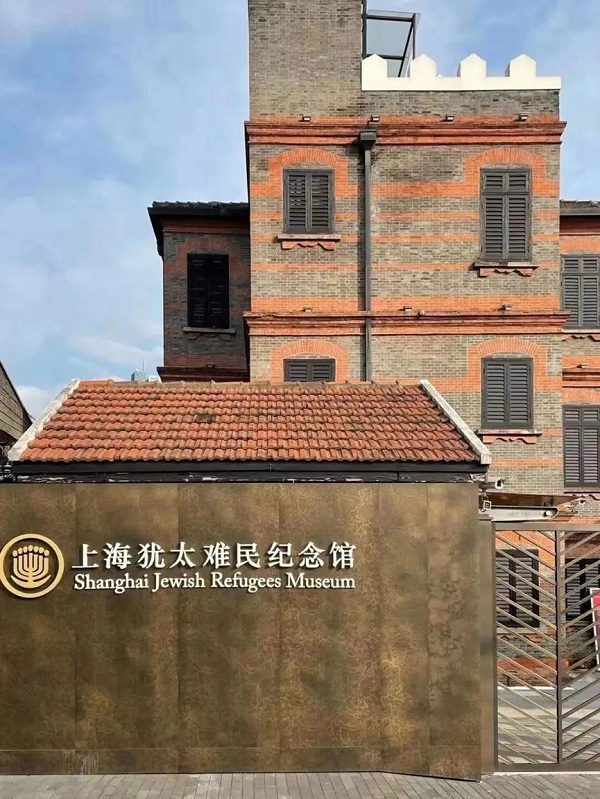
The exterior view of the Shanghai Jewish Refugees Museum. [Photo/WeChat account: hongkoubeiwaitan_dy]
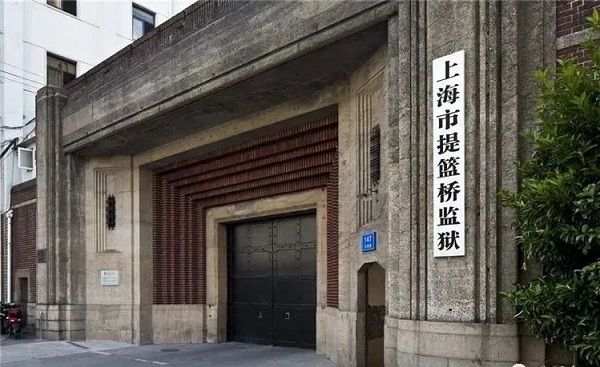
The exterior view of Tilanqiao Prison. [Photo/WeChat account: hongkoubeiwaitan_dy]
This unique blend of Chinese and Jewish cultural elements, along with its historical significance as a safe haven during World War II, makes Tilanqiao a distinctive and important part of Shanghai's urban landscape.
(Updated on Aug 27, 2025)
Sources: shtong.gov.cn, "hongkoubeiwaitan_dy" WeChat account
Editor's Pick

FAQs
- What if my passport expires but my Chinese visa is still valid?
- Can pets and owners depart from different countries while complying with customs regulations?
- Can a minor travel to China and stay in a hotel without a parent's presence?
- Who is eligible for the 240-hour visa-free transit policy in China?