
-
−Visa-free policies
-
−Visa application
-
−Visa extension, change, reissuance
-
−Online arrival card
-
−Customs clearance
-
−Invitation letters
-
−Accommodation registration
-
−Physical examination
-
−Consulates
-
−Exit-entry bureaus
-
−Visas
-
−Customs & arrival
-
−Online arrival card
-
−Customs clearance
-
-
−Residence permit
-
−Stay permit
-
−Exit-entry permit
-
−Permanent residence
-
−Required documents
-
−Invitation letters
-
−Accommodation registration
-
−Physical examination
-
-
−Useful info
-
−Consulates
-
−Exit-entry bureaus
-
-
−Banking
-
−Currency exchange
-
−Open a bank account
-
-
−Currency exchange
-
−Open a bank account
-
−Payments
-
−Currency exchange
-
−Open a bank account
-
−Public transport
-
−Metro
-
−Bus
-
−Ferry
-
-
−Metro
-
−Bus
-
−Ferry
-
−Personal mobility
-
−Get a driving license
-
−Ride a bike
-
-
−Get a driving license
-
−Ride a bike
-
−Mobility services
-
−Taxi
-
−Airplane
-
−Train
-
-
−Taxi
-
−Airplane
-
−Train
-
−Metro
-
−Bus
-
−Ferry
-
−Get a driving license
-
−Ride a bike
-
−Taxi
-
−Airplane
-
−Train
-
−Mobile phone
-
−Get a SIM card
-
−Prevent security risks
-
−Power banks
-
-
−Get a SIM card
-
−Prevent security risks
-
−Power banks
-
−Wi-Fi
-
−Popular apps
-
−Essential apps
-
−Apps for intl students
-
-
−Essential apps
-
−Apps for intl students
-
−Get a SIM card
-
−Prevent security risks
-
−Power banks
-
−Essential apps
-
−Apps for intl students
-
−Work permit
-
−Classification
-
−Application guide
-
−Other documents
-
-
−Classification
-
−Application guide
-
−Other documents
-
−Talent recognition
-
−Rights & benefits
-
−Public holidays
-
−Leaves policies
-
−Fast Pass
-
−Unemployment insurance
-
−High-temperature allowance
-
−Work injuries
-
−Arbitration of labor disputes
-
-
−Public holidays
-
−Leaves policies
-
−Fast Pass
-
−Unemployment insurance
-
−High-temperature allowance
-
−Work injuries
-
−Arbitration of labor disputes
-
−Labor contract
-
−Signing
-
−Probationary period
-
−Service period
-
-
−Signing
-
−Probationary period
-
−Service period
-
−Resignation & termination
-
−Career & professionals services
-
−Shanghai List of Recognized Overseas Occupational Qualifications
-
−Career guidance
-
−Useful websites
-
-
−Shanghai List of Recognized Overseas Occupational Qualifications
-
−Career guidance
-
−Useful websites
-
−Classification
-
−Application guide
-
−Other documents
-
−Public holidays
-
−Leaves policies
-
−Fast Pass
-
−Unemployment insurance
-
−High-temperature allowance
-
−Work injuries
-
−Arbitration of labor disputes
-
−Signing
-
−Probationary period
-
−Service period
-
−Shanghai List of Recognized Overseas Occupational Qualifications
-
−Career guidance
-
−Useful websites
-
−Medical services
-
−Medical consultation
-
−Hospitals
-
−Emergency
-
−Mental health
-
−Traditional Chinese medicine
-
−Buy medicines
-
-
−Medical consultation
-
−Hospitals
-
−Emergency
-
−Mental health
-
−Traditional Chinese medicine
-
−Buy medicines
-
−Vaccination
-
−Rabies clinics
-
−Childhood vaccination
-
−Vaccination clinics
-
−Flu vaccine
-
−Digital vaccination certificate
-
-
−Rabies clinics
-
−Childhood vaccination
-
−Vaccination clinics
-
−Flu vaccine
-
−Digital vaccination certificate
-
−Health guides
-
−AED
-
−Blood donation
-
−Flu prevention
-
-
−AED
-
−Blood donation
-
−Flu prevention
-
−Medical consultation
-
−Hospitals
-
−Emergency
-
−Mental health
-
−Traditional Chinese medicine
-
−Buy medicines
-
−Rabies clinics
-
−Childhood vaccination
-
−Vaccination clinics
-
−Flu vaccine
-
−Digital vaccination certificate
-
−AED
-
−Blood donation
-
−Flu prevention
-
−Birth
-
−Marriage
-
−Bereavement
-
−Travel agencies
-
−Service centers
-
−Complaint handling
-
−Travel insurance
-
−Luggage storage
-
−Citywide guide
-
−At metro stations
-
−In parks
-
−In commercial zones
-
−Cunzhiji service
-
-
−Citywide guide
-
−At metro stations
-
−In parks
-
−In commercial zones
-
−Cunzhiji service
-
−Ticketing guide
-
−Venue tickets
-
−Online booking
-
-
−Venue tickets
-
−Online booking
-
−Citywide guide
-
−At metro stations
-
−In parks
-
−In commercial zones
-
−Cunzhiji service
-
−Venue tickets
-
−Online booking
-
−Individual income tax
-
−Overview
-
−Annual settlement
-
−Tax benefits
-
−Special additional deductions
-
−Tax records
-
-
−Overview
-
−Annual settlement
-
−Tax benefits
-
−Special additional deductions
-
−Tax records
-
−Tax assistance
-
−Social insurance
-
−Overview
-
−Annual settlement
-
−Tax benefits
-
−Special additional deductions
-
−Tax records
-
−Basic Education
-
−Enrollment
-
−District policies
-
-
−Enrollment
-
−District policies
-
−Higher Education
-
−Scholarships
-
−Enrollment
-
−Study guide
-
−Safety guide
-
−Daily life
-
-
−Scholarships
-
−Enrollment
-
−Study guide
-
−Safety guide
-
−Daily life
-
−Tests & competitions
-
−HSK
-
−CSCA
-
−Competitions
-
-
−HSK
-
−CSCA
-
−Competitions
-
−Enrollment
-
−District policies
-
−Scholarships
-
−Enrollment
-
−Study guide
-
−Safety guide
-
−Daily life
-
−HSK
-
−CSCA
-
−Competitions
-
−Home & living
-
−Waste classification
-
−Courier services
-
−Housekeeping
-
−Utility bills
-
−Appliance care
-
-
−Waste classification
-
−Courier services
-
−Housekeeping
-
−Utility bills
-
−Appliance care
-
−Housing
-
−Buy a home
-
−Rent an apartment
-
-
−Buy a home
-
−Rent an apartment
-
−Pets
-
−Bring a pet to China
-
−Bring a pet out of China
-
−Get a dog license
-
−Pet adoption
-
−Rabies clinics
-
−Pet-friendly parks
-
−Take a train
-
−Take an airplane
-
-
−Bring a pet to China
-
−Bring a pet out of China
-
−Get a dog license
-
−Pet adoption
-
−Rabies clinics
-
−Pet-friendly parks
-
−Take a train
-
−Take an airplane
-
−Fitness
-
−Find a sports facility
-
−Swimming
-
−Soccer
-
−Jogging
-
−Cycling
-
−Climbing
-
−BMX
-
-
−Find a sports facility
-
−Swimming
-
−Soccer
-
−Jogging
-
−Cycling
-
−Climbing
-
−BMX
-
−Religious rituals
-
−Public service hotlines
-
−Waste classification
-
−Courier services
-
−Housekeeping
-
−Utility bills
-
−Appliance care
-
−Buy a home
-
−Rent an apartment
-
−Bring a pet to China
-
−Bring a pet out of China
-
−Get a dog license
-
−Pet adoption
-
−Rabies clinics
-
−Pet-friendly parks
-
−Take a train
-
−Take an airplane
-
−Find a sports facility
-
−Swimming
-
−Soccer
-
−Jogging
-
−Cycling
-
−Climbing
-
−BMX
-
−Refund-upon-purchase
-
−Policy guide
-
−Visual feature
-
−Service directory
-
−Pilot program
-
-
−Policy guide
-
−Visual feature
-
−Service directory
-
−Pilot program
-
−Departure tax refund
-
−Policy guide
-
−Port locations
-
−Service locations
-
-
−Policy guide
-
−Duty-free shopping
-
−Eligibility & access
-
−Store locations
-
−Purchase rules
-
−Purchase & pickup
-
−Travel rules
-
−Hours & contact
-
-
−Eligibility & access
-
−Store locations
-
−Purchase rules
-
−Purchase & pickup
-
−Travel rules
-
−Hours & contact
-
−Online shopping
-
−Getting started
-
−Taobao
-
−JD.com
-
−Pinduoduo
-
-
−Getting started
-
−Taobao
-
−JD.com
-
−Pinduoduo
-
−Port locations
-
−Service locations
-
−Policy guide
-
−Visual feature
-
−Service directory
-
−Pilot program
-
−Policy guide
-
−Port locations
-
−Service locations
-
−Eligibility & access
-
−Store locations
-
−Purchase rules
-
−Purchase & pickup
-
−Travel rules
-
−Hours & contact
-
−Getting started
-
−Taobao
-
−JD.com
-
−Pinduoduo
-
−Visa-free policies
-
−Visa application
-
−Visa extension, change, reissuance
-
−Online arrival card
-
−Customs clearance
-
−Invitation letters
-
−Accommodation registration
-
−Physical examination
-
−Consulates
-
−Exit-entry bureaus
How to save a patient with AED
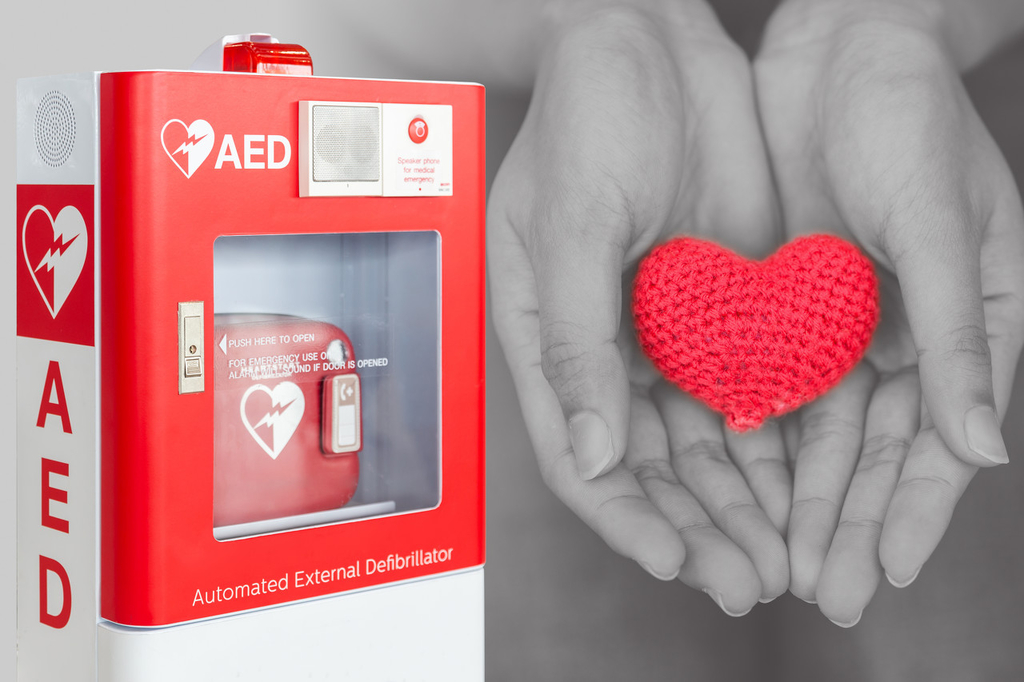
AED, or automated external defibrillator, is widely recognized as a lifesaving device for patients suffering from cardiac arrest.
If a person is unresponsive and not breathing, they are likely in cardiac arrest. Call for help immediately, dial 120, and locate the nearest AED.
Although an AED is a medical device, it can be safely used by non-professionals who have received basic training.
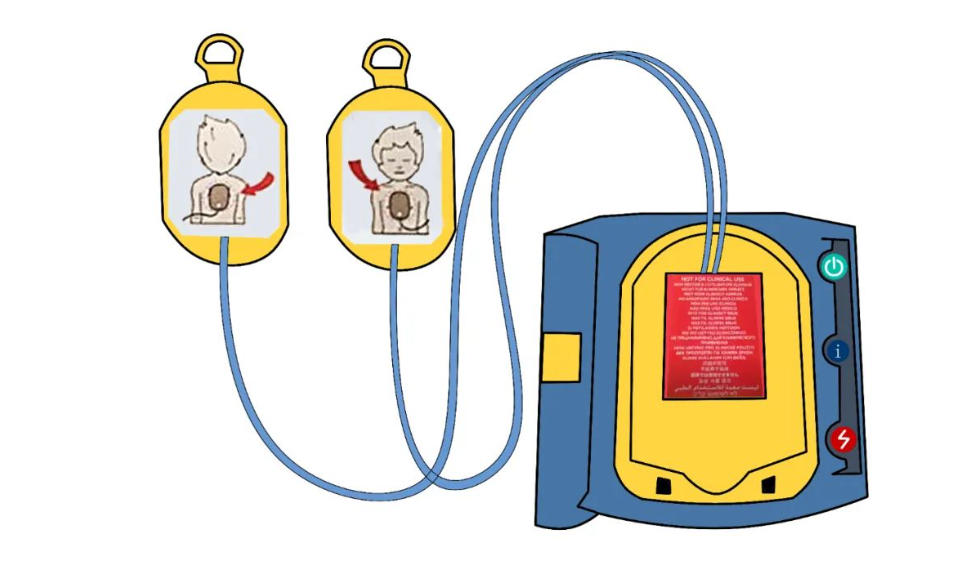
Steps to use an AED
Step 1: Turn on the AED
Turn on the device, and follow the voice prompts.
Step 2: Attach electrode pads to the patient
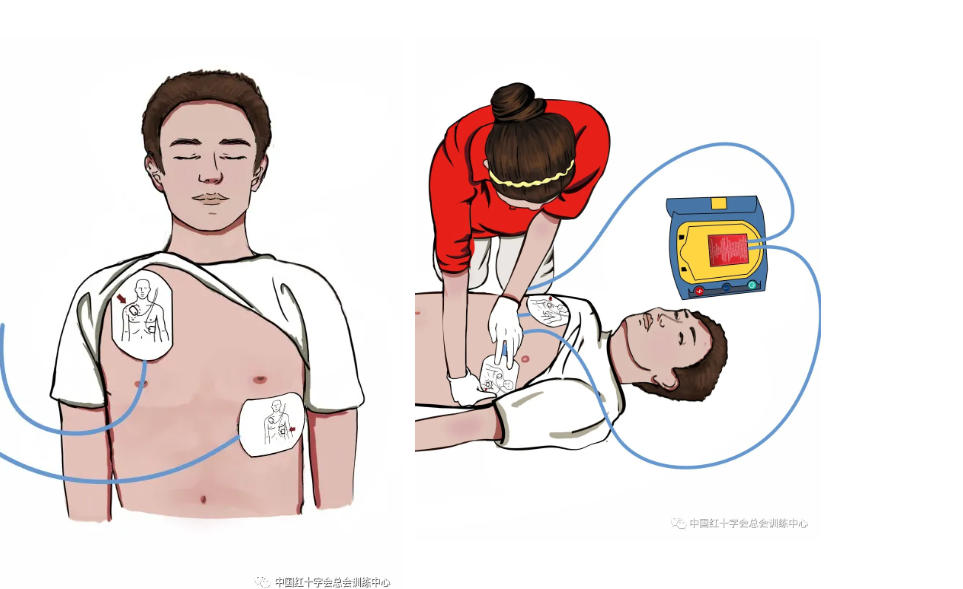
Remove the patient's clothing and attach the electrode pads to their bare skin.
Place one pad just below the right collarbone and the other on the left side of the chest, just below the nipple.
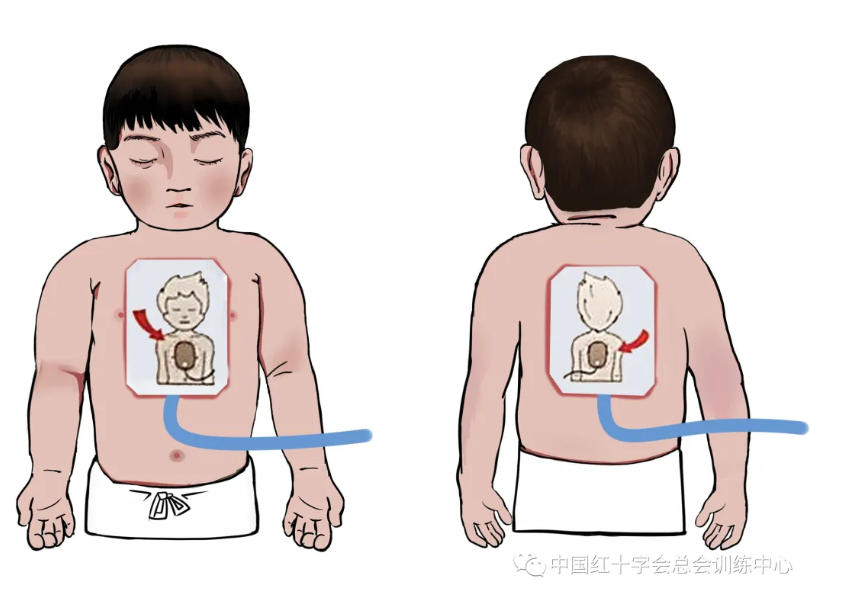
For children under 8 years or weighing less than 25 kg, use pediatric electrode pads or switch the device to pediatric mode. For smaller children, place one pad on the center of the chest and the other on the center of the back to avoid overlap.
If pediatric pads are unavailable, adult pads may be used.
Step 3: Analyze heart rhythm
Once the pads are connected, the AED will automatically analyze the heart rhythm. Do not touch the patient while the AED is analyzing.
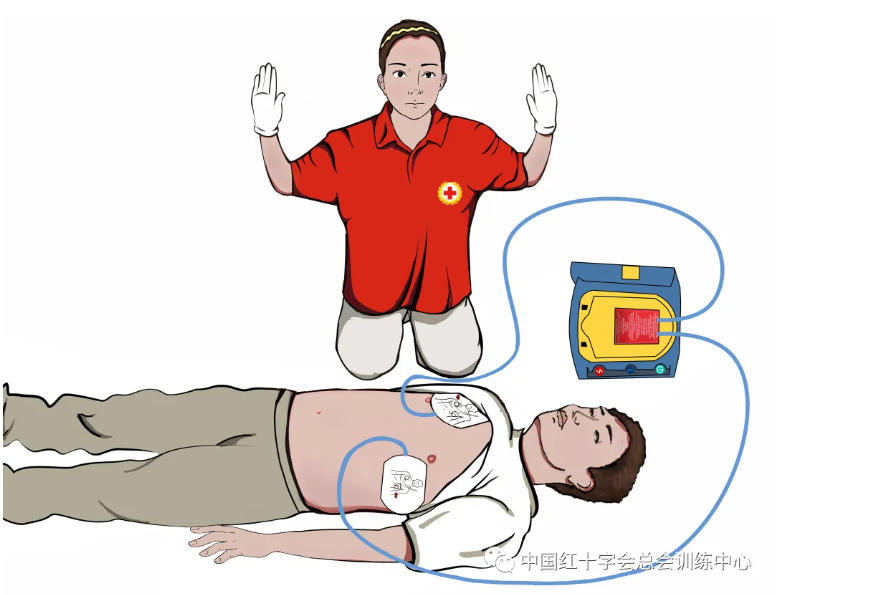
Step 4: Deliver a shock
If the AED detects a shockable rhythm, it will issue a voice prompt: "Charging. Do not touch the patient." Once charging is complete, the shock button will flash. Confirm that no one is touching the patient, then press the shock button. A brief full-body muscle contraction may occur.
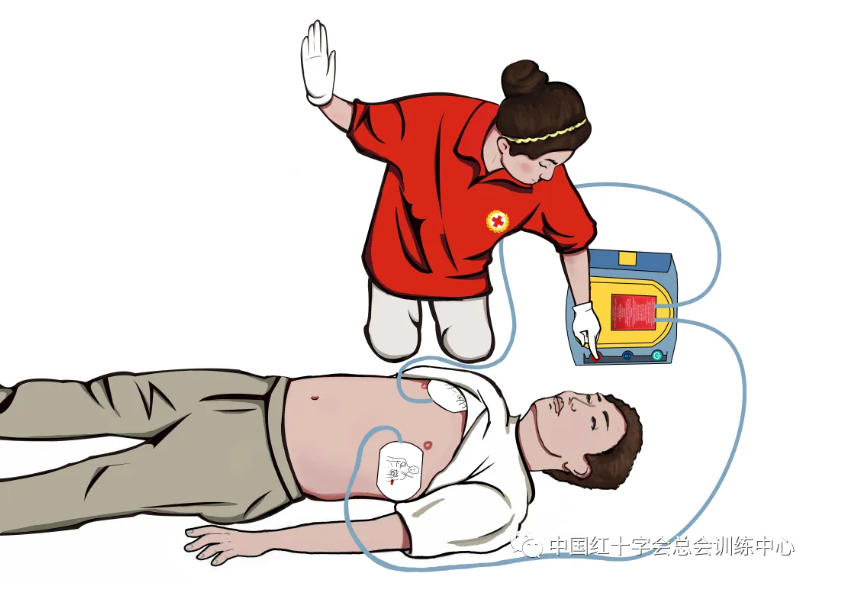
If a non-shockable rhythm is detected, the AED will prompt, "No shock advised. Continue CPR."
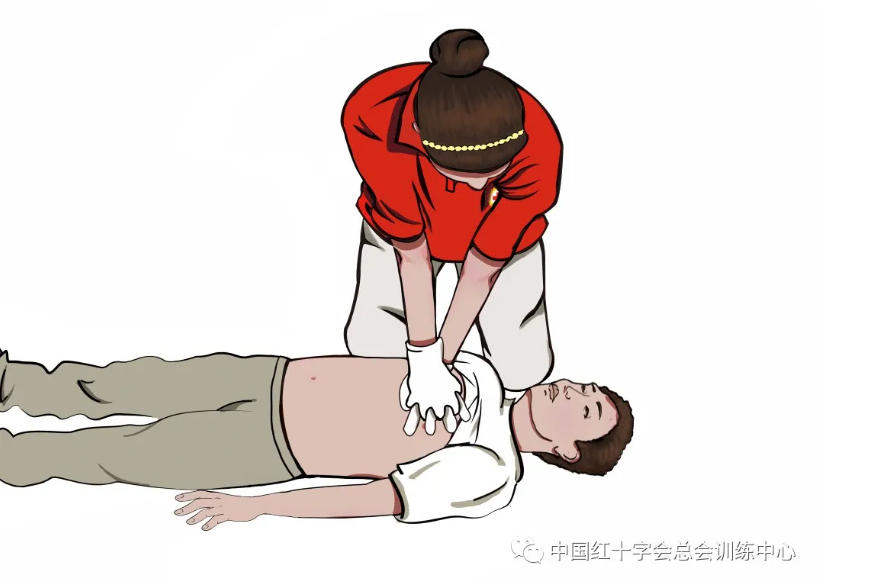
Step 5: Continue CPR immediately after defibrillation
After delivering a shock, resume cardiopulmonary resuscitation without delay. The AED will automatically reanalyze the heart rhythm after 2 minutes to determine whether another shock is needed.
Continue this cycle until the patient regains a heartbeat and spontaneous breathing, or until professional emergency responders arrive.
Things to remember when using an AED
- Find a safe place: First, ensure that both the rescuer and the patient are in a safe environment.
- Identify cardiac arrest: An AED should only be used when the patient is unresponsive and not breathing normally, or showing only agonal gasps.
- AED use does not replace CPR: The arrival of an AED does not mean stopping CPR. Continue high-quality chest compressions while retrieving, powering on, and attaching the AED pads, and resume compressions immediately after each defibrillation.
- Follow the AED voice prompts: When the AED is analyzing the heart rhythm or delivering a shock, it will clearly announce: "Do not touch the patient." Immediately pause CPR and ensure that no one is touching the patient during this time.
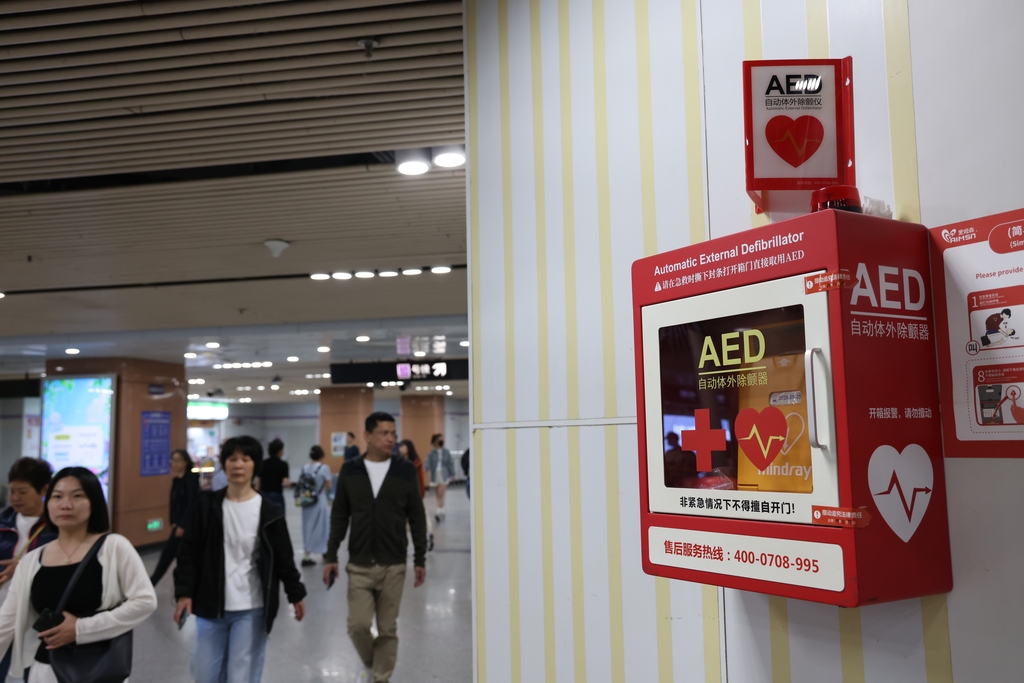
Where to find an AED?
AEDs are typically found in high-traffic areas such as subway stations, schools, sports venues, large shopping malls, hotels, and office buildings.
You can find an AED online by accessing the WeChat mini-program "AED First-aid Map" (AED急救地图).
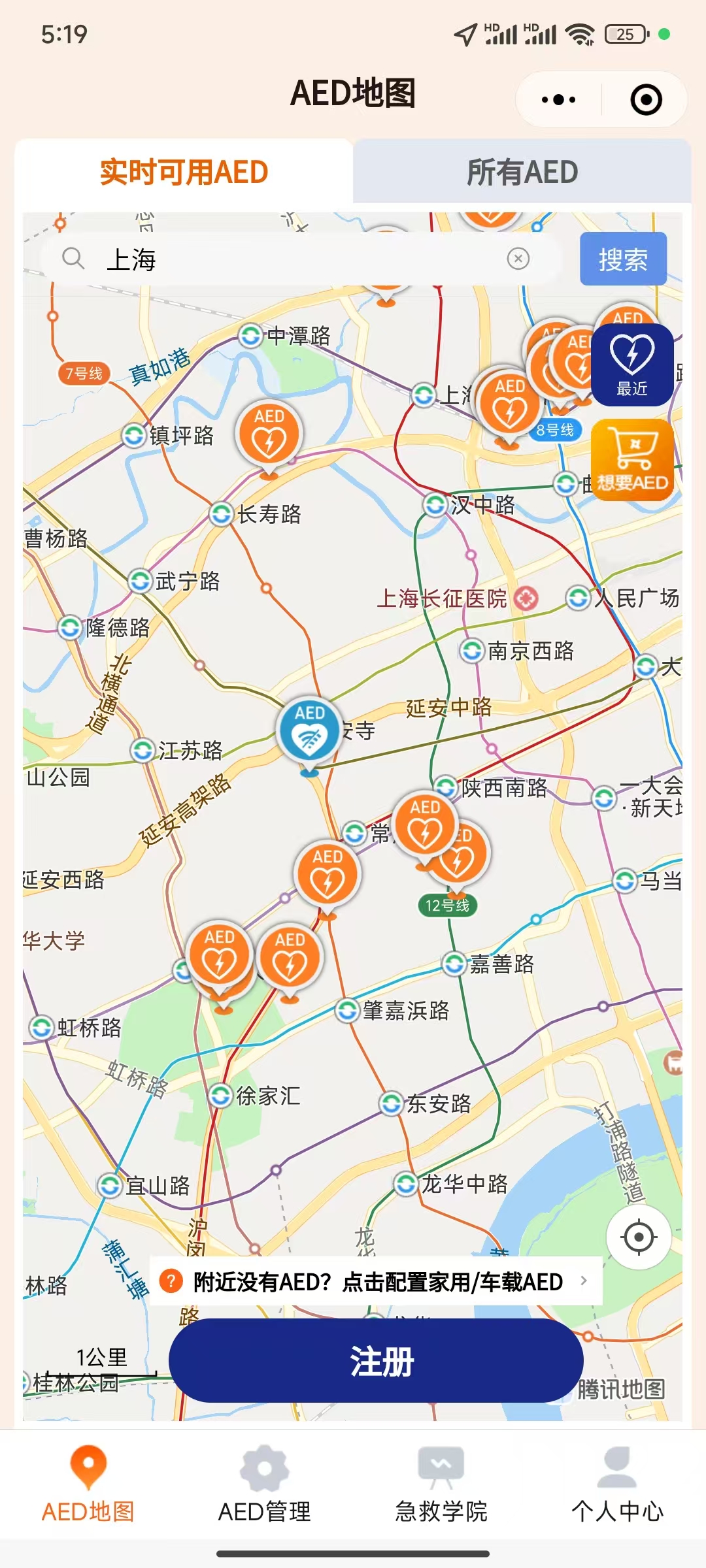
In crowded public places such as shopping malls, stations and venues, ask security personnel, customer service staff, shop attendants, or other on-site staff. They are usually aware of the AED location.
If no one is available to ask, scan the surroundings, including entrances to residential community, subway stations, and sports venues.
| Note: The golden window for rescuing a person experiencing sudden cardiac arrest is just 4 minutes. For every minute of delay, the survival rate drops by about 10 percent. |
Sources: Red Cross Society of China, Shanghai Municipal Center for Health Promotion


Feel free to email us if you have any requests or suggestionsintlservices@shanghai.gov.cn