From gene editing to brain therapy without surgery: Songjiang Institute pushes frontiers of medicine
What if you could fix a genetic defect linked to autism without breaking DNA? What if you could stimulate deep brain tissue to treat chronic pain without surgery?
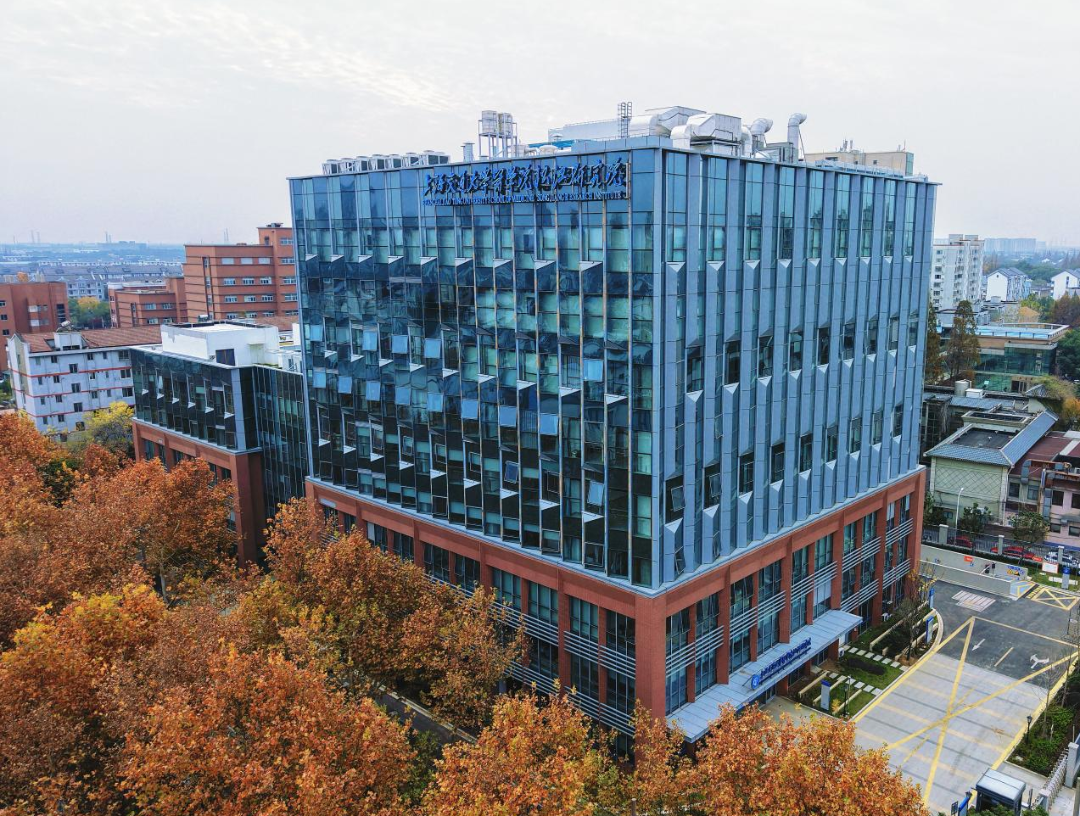
Researchers at Shanghai Jiao Tong University School of Medicine's Songjiang Research Institute are turning these questions into reality.
Over the past three years, they have produced one original breakthrough after another. They completed the first large-scale genetic study of Chinese autism patients, pinpointing exactly how SRCAP gene mutations harm the brain. Then they built precision tools — single-base editors — to repair those mutations in mice. The results? Improved neural development, reversed social and cognitive deficits, and no DNA damage.
"This is what happens when you combine basic science with clinical drive," said Professor Xu Tianle, executive director of the institute.
The list of firsts keeps growing. Xu's own team revealed how specific neurons in the hippocampus control feeding rhythms — a potential new angle against obesity and diabetes. They also mapped the molecular circuitry of fear, offering fresh inroads into anxiety and PTSD.
Researcher Zhou Wenjie found a previously unknown pain-regulation center in the brainstem. Researcher Zhang Siyu proposed a novel strategy for attention disorders by tuning the brain's own inhibitory wiring. Professor Zhang Liang turned to high-altitude adaptation for a surprising clue: enzyme variants that promote myelin regeneration, now a new target for multiple sclerosis.
Some discoveries bridge distant territories. Researcher Li Yadong traced the gut-brain axis in irritable bowel syndrome and showed that a common drug, diosmin, can lift the mood disorders that often accompany it. Researcher Cai Shiqing screened small molecules that repair defective ion channels — a fresh approach to cystic fibrosis.
Then there is the work that sounds like science fiction — but isn't. Researcher Wang Jie built an imaging-based early warning system for adolescent bipolar disorder. He also developed a technique called transcranial temporal interference stimulation, which reaches deep into the brain without a single cut. His team has already used it to treat chronic insomnia.
And in cancer immunology, Professor Zheng Songguo's team discovered a hidden brake on T cells — a molecule called TOPK. Knock it down, and T cells fight melanoma harder. Anti-PD-1 therapy works better. The finding opens new doors for combination immunotherapy.
Many of these results have appeared in journals such as Nature, Neuron and Cell Metabolism.
"Our researchers are committed to innovation," Xu said. "We will keep pushing frontier science from the lab to the clinic."