Pudong's high-tech park attracts global biomedical professionals

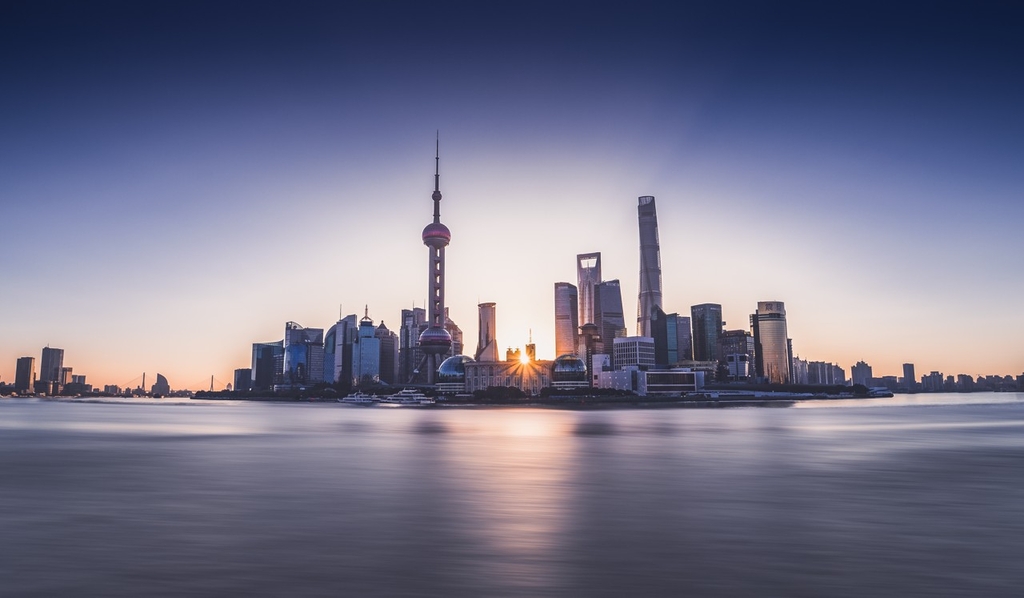
Zhangjiang High-Tech Park, situated in Shanghai's Pudong New Area, is emerging as a global hub for pharmaceutical and medical device companies.
In 2024, Shanghai recorded 38 out-licensing transactions by pharmaceutical enterprises, with more than 30 completed by companies based in Zhangjiang, accounting for over 80 percent of the city's total.
According to the 2025 Pudong New Area biomedical industry talent development trend report, released at the biomedical industry talent sub-forum at the 2025 Pudong International Talent Hub Forum on Dec 6, Pudong has attracted over 140,000 biomedical professionals, including 22,000 returnees and foreign experts, as well as more than 20 academicians.
Over the past three years, the biomedical industry in Pudong has grown steadily, with output value reached 338.2 billion yuan ($47.8 billion) in 2022, 378 billion yuan in 2023, and 410 billion yuan in 2024. In 2024, Shanghai's total biomedical industry output was 984.7 billion yuan, with Pudong accounting for 41.6 percent of the total.

The number of biomedical employees in Pudong has shown steady growth. In 2023, there were 129,100 industry professionals in Pudong, representing 45.9 percent of Shanghai's total. In 2024, this number increased to 129,900, accounting for 46 percent of Shanghai's total. The industry's talent inflow rate in 2024 was 16.3 percent, while the departure rate was 15.6 percent, indicating a stable and gradually expanding workforce.
Doctoral degree holders form a distinctive part of the talent pool. In Pudong's biomedical sector, 5 percent of professionals hold doctoral degrees, a proportion that surpasses the 2.6 percent average across Shanghai's three leading industries: integrated circuits, biomedicine, and artificial intelligence. In Zhangjiang's biomedical sector, the share reaches 5.9 percent, with pharmaceutical R&D services leading the way, where 36.7 percent of professionals hold master's or doctoral degrees.
Young professionals under the age of 40 make up over 60 percent of the workforce. In April 2025, Pudong rolled out 15 new measures to empower young innovators and entrepreneurs, emphasizing the "two one-million" policy: 1 million square meters of low-rent youth apartments and 1 million square meters of subsidized startup spaces. This is expected to attract more young biomedicine talent to the park.
Beyond policy support, Pudong has also launched a series of initiatives to attract global talent, including a global elite school talent direct recruitment program, the Global Talent Partner Program, and the Pudong International Talent Station. The proportion of returnees increased from 2.5 percent in 2024 to 3.1 percent in 2025, while the share of foreign talent rose from 0.6 percent to 0.7 percent. Biomedical R &D and healthcare continue to be the top sector for returnee PhD holders.
The industry's upgrade focuses on high-level talent. In 2025, the starting salaries for fresh PhD graduates rose faster than for other educational levels, driven by industrial demand, R&D advancements, and targeted policy support. The proportion of newly recruited PhDs in Pudong's biomedical sector reached 6.4 percent in 2025, up 1.8 percent year-on-year.
While the overall talent shortage in Pudong's biomedical industry has eased, demand remains strong in emerging fields and future-oriented sectors. Professionals in immunology and cell therapy, antibody, RNA, and nuclear drug R&D, AI interdisciplinary research, and biosynthetic technology are especially sought after.
Source: Jiefang Daily