International residents donate blood in Shanghai
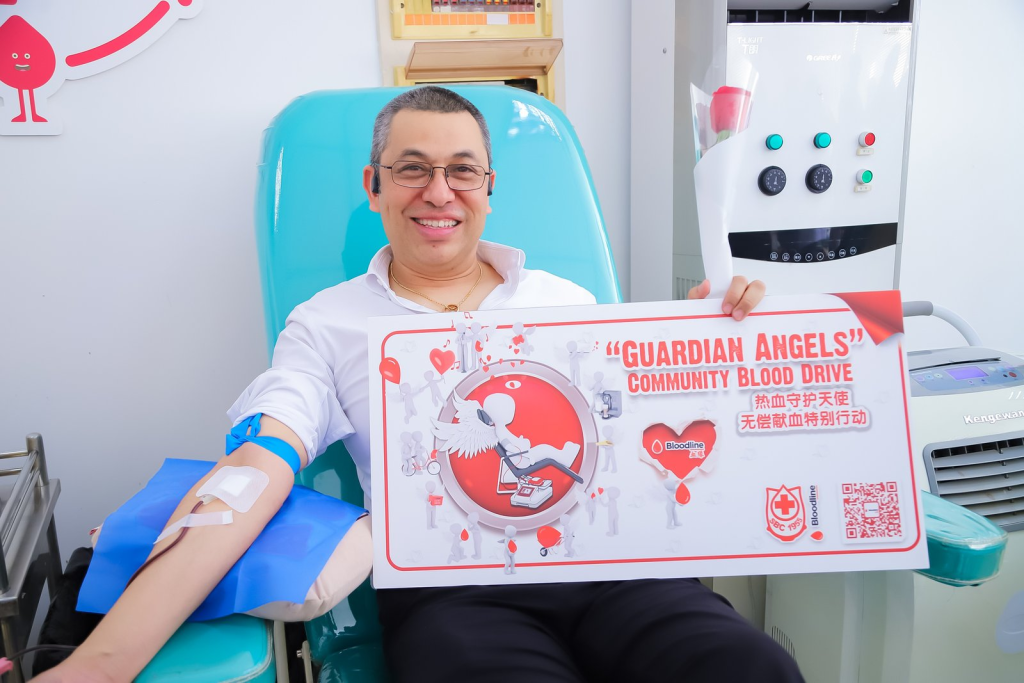
An international blood donation drive brought together nearly 90 foreign residents at the Shanghai Blood Center on Dec 14, highlighting the growing role of expats in local public welfare.
Participants came from a wide range of countries, united by a shared commitment to supporting patients in need.
The event was jointly organized by the Shanghai People's Association for Friendship with Foreign Countries and the Shanghai Blood Center, with on-site coordination by Bloodline, a volunteer blood donation group founded by expats living in Shanghai.
For years, Bloodline has worked to encourage foreign residents in the city to engage in voluntary blood donation by focusing on accessibility, clear guidance, and a relaxed volunteer experience.
Through regular outreach and organized donation drives, the group has enabled thousands of international residents to participate in voluntary blood donation.
The team is led by Maskay Ashish, a Nepalese surgeon who has lived and worked in Shanghai for more than 20 years.
After noticing that many foreign residents faced obstacles to donating blood locally, he and a group of volunteers began organizing donation activities within the international community, working closely with the Shanghai Blood Center. Over time, Bloodline has become a familiar name in the city's public welfare sector.
During the event, Ashish was appointed as an overseas honorary council member of the Sixth Council of the Shanghai People's Association for Friendship with Foreign Countries.
Beyond blood donation, volunteers also organized cultural performances during the event, creating an informal and welcoming atmosphere that encouraged interaction and exchange.
Their performances reflected Shanghai's openness and its efforts to build stronger connections among residents from different cultural backgrounds.
To further enrich the experience, organizers invited representatives from the Shanghai Literature Institute of Traditional Chinese Medicine to offer hands-on activities for participants.
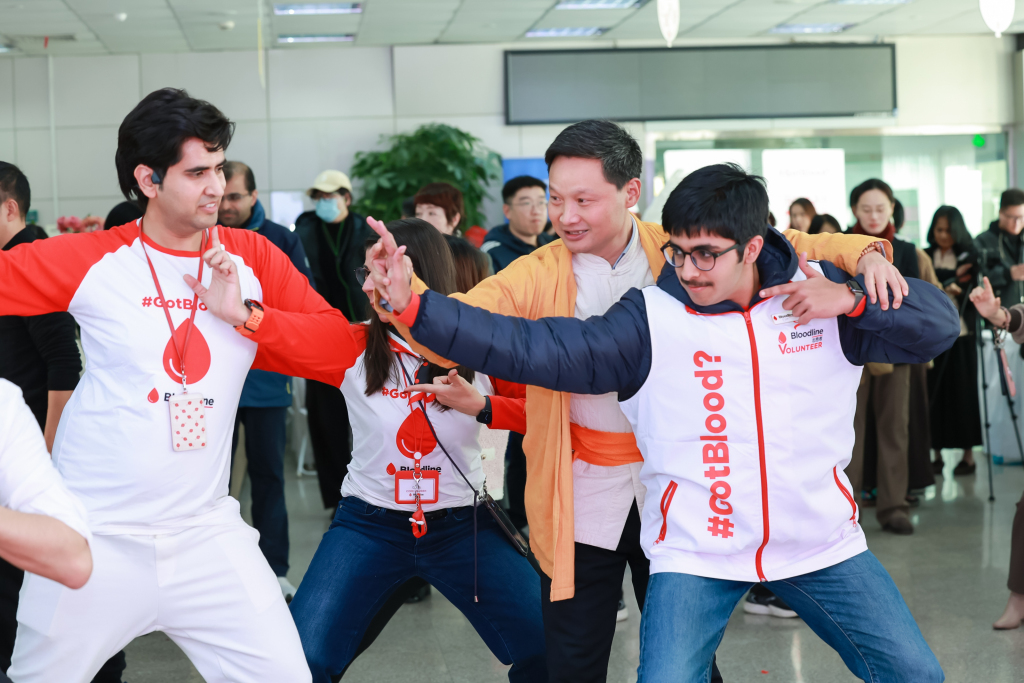
Foreign blood donors were invited to practice baduanjin, a traditional Chinese exercise, as a simple and engaging way to experience elements of traditional Chinese health culture.
The event underscored the active involvement of international residents in Shanghai's community life and public welfare initiatives. By contributing directly to the city's healthcare system, participants helped strengthen a more inclusive and interconnected urban community, one where compassion and responsibility transcend borders.
Source: thepaper.cn