Changning accelerates construction of innovation zone linked with Shanghai FTZ
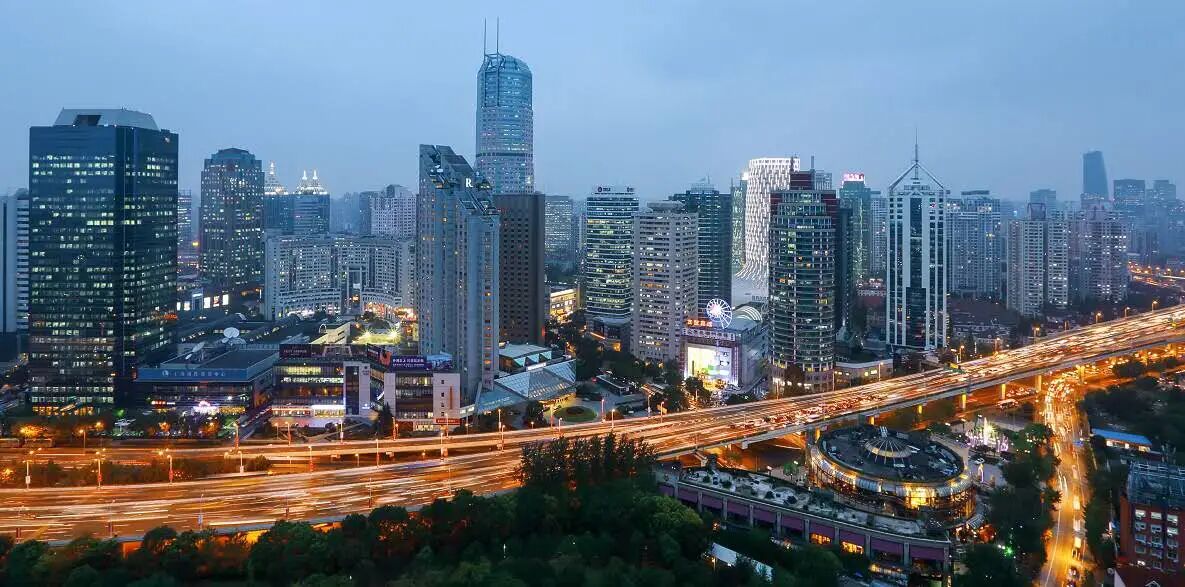
Shanghai's Changning district has released the Implementation Plan for Accelerating the Construction of the Changning Innovation Zone Linked with the China (Shanghai) Pilot Free Trade Zone.
The plan aims to promote high-quality development and create a high-standard hub integrating industry, trade, talent, and technological innovation.
Q1: What is the goal of the plan?
A1: The plan seeks to build a high-standard, high-quality innovation zone featuring clusters of high-end industries, streamlined investment and trade services, a dynamic scientific and technology innovation environment, and efficient talent support. It is designed to further strengthen Shanghai's role as a frontrunner in reform and opening-up and innovation-driven development.
Q2: What is the scope of the Changning innovation zone?
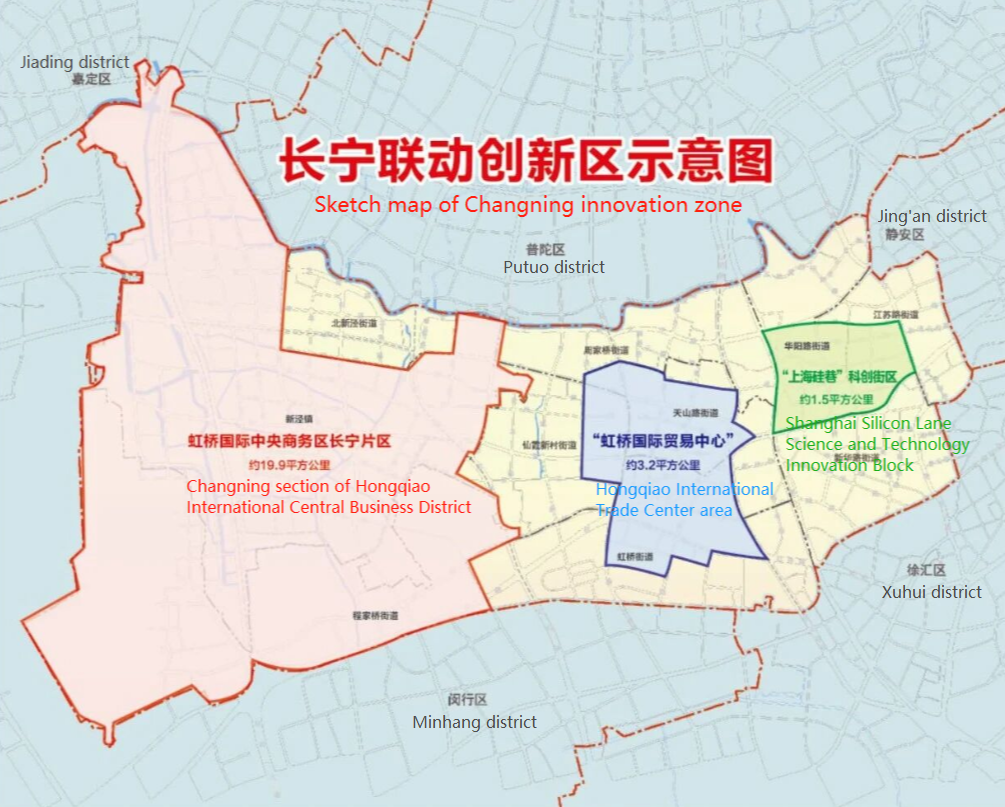
A2: Centered on innovation-driven momentum and the concentration of core functions, the zone comprises three major functional areas: the Shanghai Silicon Lane Science and Technology Innovation Block, the Hongqiao International Trade Center area, and the Changning section of the Hongqiao International Central Business District. Together, they cover about 24.6 square kilometers.
Q3: What are the priority areas of the plan?
A3: The plan focuses on five priority areas: new business operation scenarios, new licensing procedures, new talent service experiences, a new sci-tech innovation ecosystem, and new approaches to regulatory models.
Q4: What specific measures are outlined in the plan?
A4: The plan introduces 58 targeted measures that combine proven FTZ policies with Changning's own institutional innovations.
Key measures include expanding pilot programs for multinational companies' integrated cross-border capital pooling in both domestic and foreign currencies, fostering emerging industries, improving government service efficiency, and advancing intelligent regulatory models.
Q5: How will new business operation scenarios be fostered?
A5: Measures include facilitating orderly cross-border data flow and the application of data elements, improving trade facilitation and settlement efficiency, promoting smoother cross-border capital movement, strengthening professional services for companies "going global", and encouraging the clustering of headquarters in emerging sectors such as the low-altitude economy.
Q6: How will the sci-tech innovation ecosystem be strengthened?
A6: Measures focus on developing high-quality incubators, accelerating the deployment of State-owned capital into scientific and technological innovation, expanding diversified financing channels for sci-tech enterprises, improving intellectual property protection, and exploring optimized models for talent cultivation.
Q7: What measures target foreign-invested businesses and foreign talent?
A7:
For foreign-invested businesses
Services will be improved for the registration of permanent representative offices of foreign or regional enterprises. Facilitation measures such as "authorized handling" and "batch signing" will be extended to the headquarters of more chain enterprises.
Market access in professional services will be further liberalized, with eligible foreign-funded institutions supported in applying for domestic financial licenses. Cooperation across the Yangtze River Delta region will be strengthened through mutual recognition of foreign investors' qualification documents, helping reduce operating costs for foreign-invested enterprises.
For foreign talent
Entry, exit, and residence services for foreign professionals will be upgraded. Key enterprises will be supported in recruiting high-level foreign professionals eligible for work-related residence permits of up to five years. Family members may obtain residence permits of the same duration, with access to education and medical support services.
Changning will also pilot electronic port visas, allowing invited foreign nationals involved in major research, exchange, and commercial activities to apply for long-term multiple-entry visas.
In parallel, the district will streamline procedures by advancing the simultaneous processing of work permits and work-related residence permits for international talent through an enhanced one-stop approval mechanism.
Source: Changning district government
Note: The English text is for reference only. In case of any discrepancies, the Chinese version shall prevail.