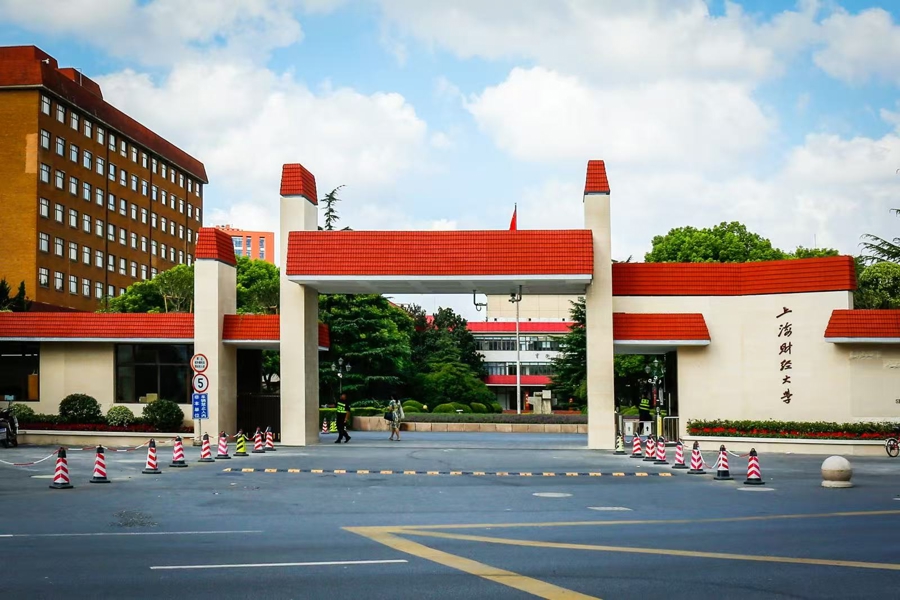
International students and professionals engage in TCM summer program
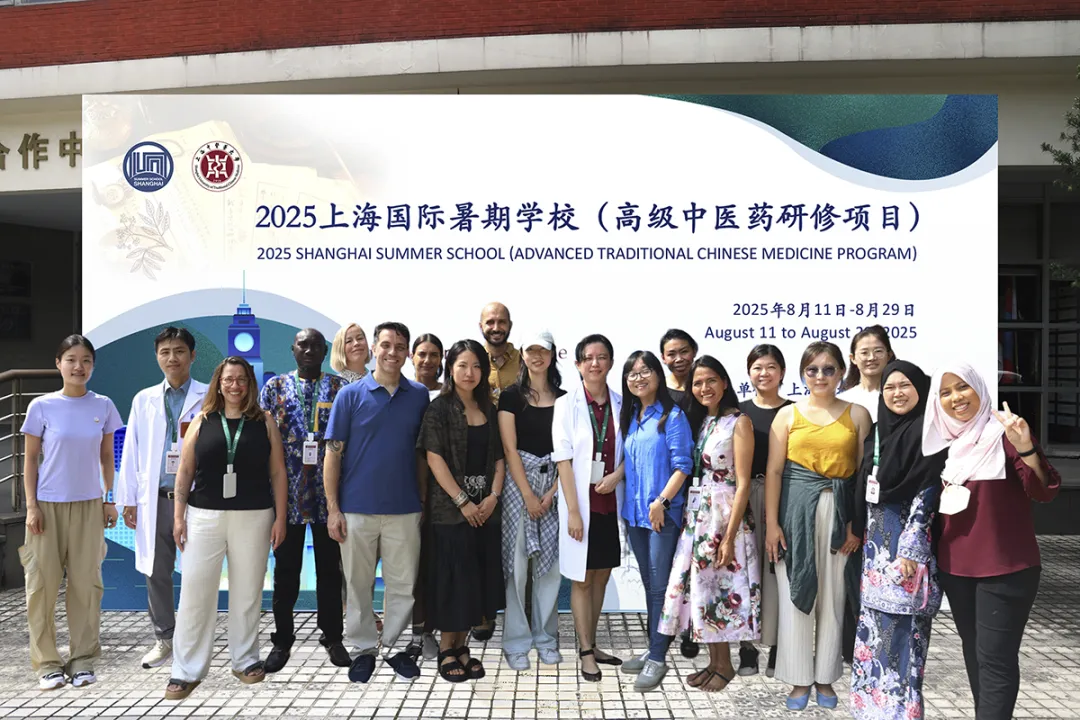
Shanghai University of Traditional Chinese Medicine hosted the 2025 Shanghai International Summer School Advanced Traditional Chinese Medicine Program from Aug 11 to 29, bringing together high-level professionals from 16 countries, including the United States, Canada, Finland, Brazil, Bolivia, Malta, and Gambia.
Participants included officials from health ministries, deans of medical schools, leaders of medical research institutes, specialist physicians, traditional medicine practitioners, and graduate students from leading medical schools worldwide.
Alongside academic lectures, the program included visits to the university’s affiliated institutions, such as Longhua Hospital, Shuguang Hospital, Yueyang Hospital, the Shanghai Qigong Research Institute, and local community health service centers.
Participants engaged with doctors across various departments and explored heritage TCM establishments such as Cai Tong De Tang, Yida Herbal Garden, Shanghai Kangqiao Chinese Herbal Medicine Company, Shanghai Daosh Medical Technology, and Tang Xiang Cultural Space, gaining insights into the history, development, and innovation of traditional Chinese medicine.
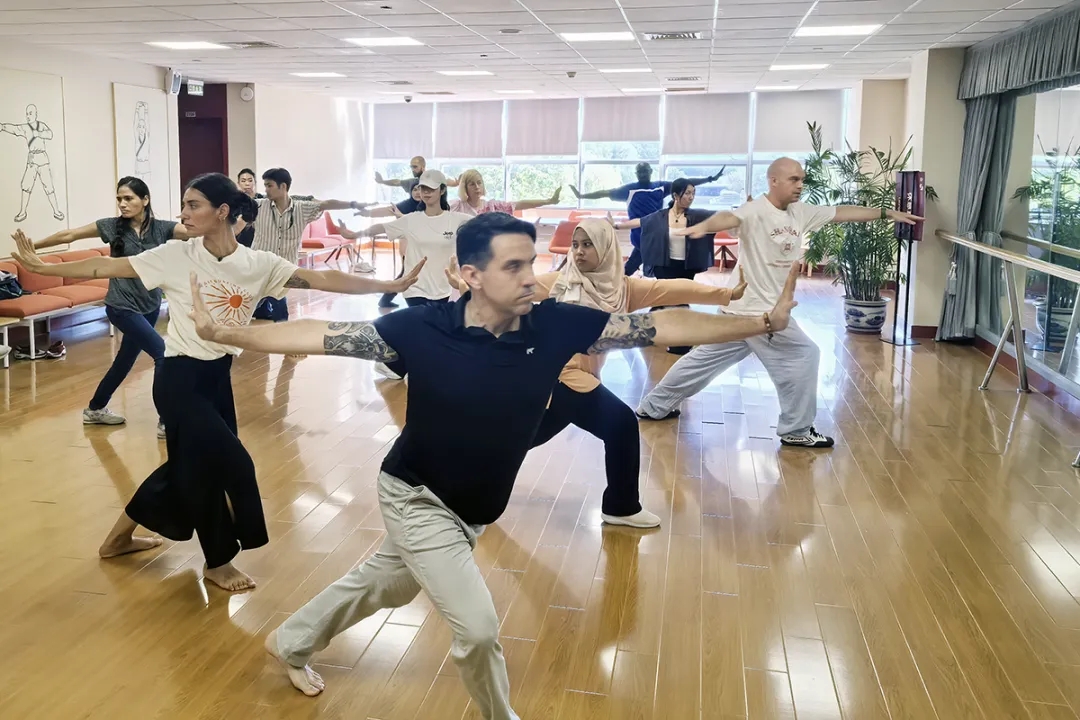
The program also introduced participants to traditional culture and practices. They learned calligraphy and practiced traditional Chinese exercises such as baduanjin. At the International Medical Department of Longhua Hospital, they experienced the four fundamental diagnostic methods of TCM: observation, listening and smelling examination, inquiry, and palpation.
At the closing ceremony, participants reflected on their experiences through presentations, sharing personal experiences and aspirations to promote TCM culture in their home countries. They also expressed a strong interest in exploring TCM diagnostics and keeping abreast of the latest research achievements.
Source: Official WeChat account of SHUTCM International Education College at "SHUTCMIEC"