Florence students explore Chinese culture in Shanghai
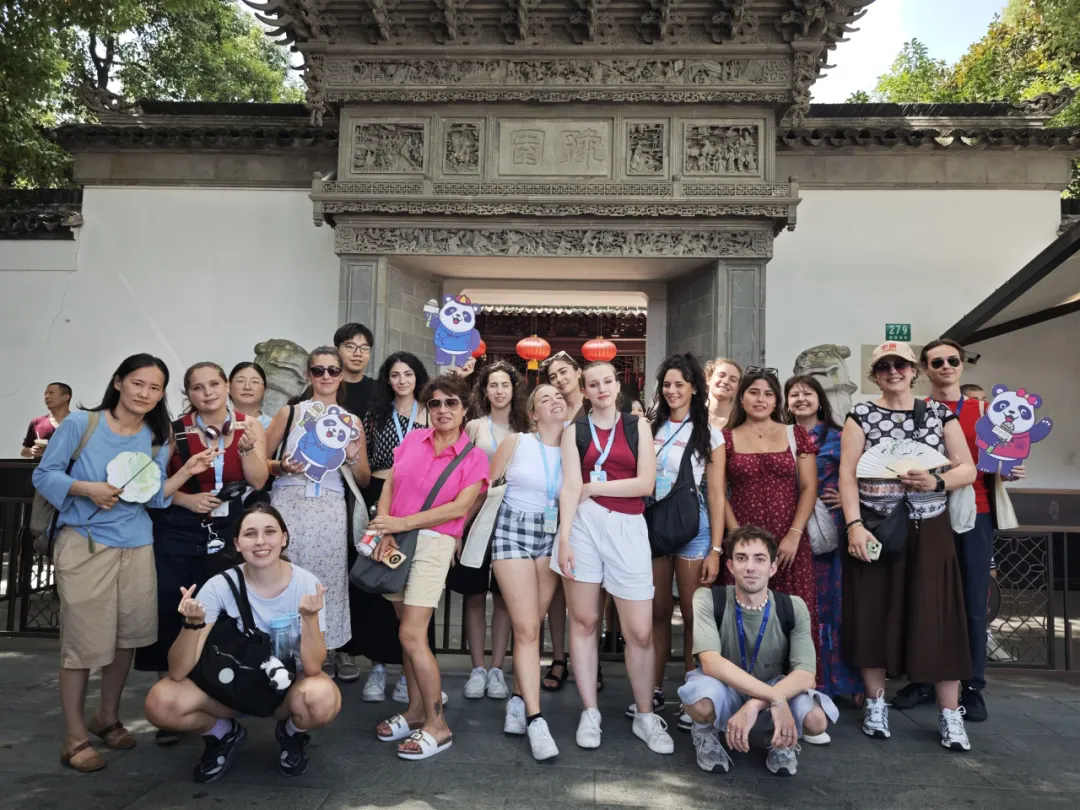
Shanghai's Tongji University hosted a summer study camp on Aug 4, welcoming 16 participants from the Confucius Institute at the University of Florence for a two-week cultural immersion program.
The program combined Chinese language classes in the mornings and cultural workshops and on-site explorations in the afternoons, giving students firsthand exposure to the richness of Chinese culture.
The language sessions unfolded like a miniature cultural expo. Shanghai specialties allowed students to taste the sweetness, chewiness, crispiness, and tenderness of Chinese food. They also practiced brushwork, learned about the cultural symbolism of calligraphy, and tried their hand at writing characters.
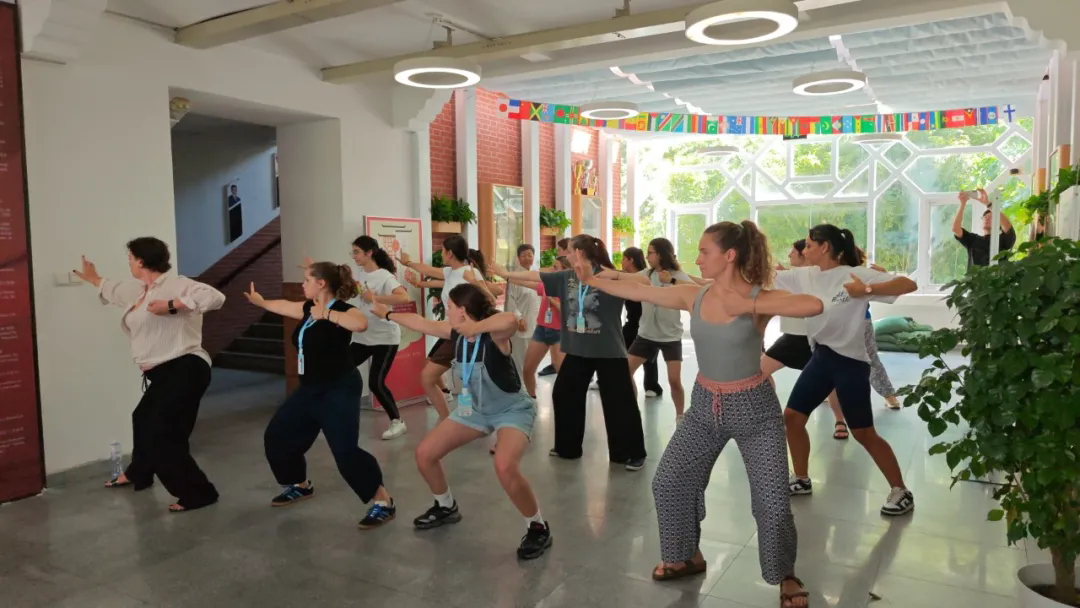
The program also featured two cultural workshops, crafting Tang Dynasty-style clay dolls and practicing baduanjin, a traditional Chinese aerobic exercise.
On Aug 4, participants explored the aesthetics of Tang Dynasty (618-907) clothing by photographing mural paintings of court ladies. They completed 16 clay dolls — some with double-bun hairstyles, others holding round fans — each showing their creativity and effort.
On Aug 5, participants practiced baduanjin. Their movements were stiff at first, but with practice they gradually found rhythm and balance.
The program also extended beyond campus with a series of cultural explorations that brought the students to Shanghai's most iconic cultural landmarks.
On Aug 6, they visited the Shanghai Postal Museum, where they admired its classical architecture dating back to 1924 and learned how the city evolved from a small fishing village into today's global metropolis.
At the World Expo Museum, the students were impressed by the vast timeline tracing events from the 1851 London Crystal Palace to the 2010 Shanghai Expo. Models of national pavilions lit up in sequence, presenting a vivid story of human progress.
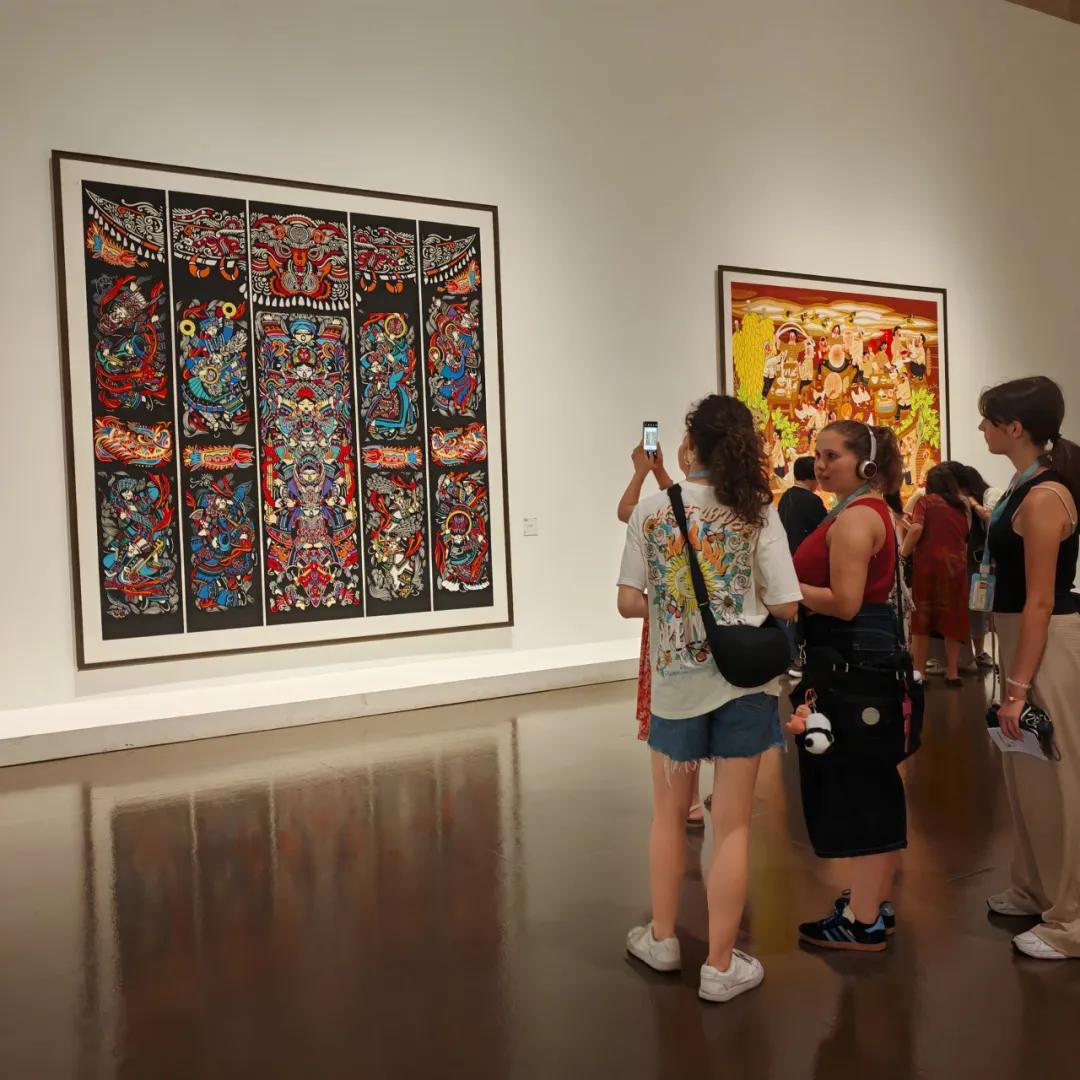
The China Art Museum offered a wide range of works, from folk paintings to German-style white porcelain. They compared the delicate elegance of porcelain with the power of Michelangelo's David in Florence, reflecting on the diversity of cultures.
A trip to Zhujiajiao Ancient Town revealed the heritage of a traditional water town, with cobblestone paths, boats gliding through canals, and white-walled houses topped with black tiles. The students wandered into small shops filled with local souvenirs and were especially drawn to personalized items such as beaded bracelets, decorative wooden plaques, and fabric pendants. Many selected them as gifts for friends.
At the Oriental Pearl Tower, high-speed elevators whisked the participants upward at seven meters per second, offering a real sense of China's modern dynamism. On the transparent observation deck 259 meters above ground, they marveled at the Huangpu River winding between futuristic skyscrapers and took photos while standing on the glass walkway. Later, a ferry ride along the Bund gave them sweeping views of Shanghai's glittering skyline, blending tradition and modernity in one unforgettable scene.
The students also visited Yuyuan Garden, where they admired the intricate architecture, brick carvings, eaves, and lush greenery that embody the philosophy of classical Chinese gardens.
At the WorldSkills Museum, they encountered the fusion of traditional crafts with modern technology. A highlight was an interactive installation using artificial intelligence to dress participants in ancient Chinese attire, creating a sense of time travel and dialogue across cultures.
More than a study trip, the program served as a cultural bridge between China and the West. Through these immersive experiences, the participants deepened their understanding of Chinese culture and discovered the value of mutual learning between civilizations.
Source: Official WeChat account of International School of Tongji University at "istongji"