Discover Jinshan's intangible culinary heritage
Jinshan’s fertile fields yield more than agricultural abundance. They have also nurtured a rich culinary heritage shaped by generations of local tradition. Many of these intangible cultural heritage delicacies can still be enjoyed today at restaurants and specialty shops throughout the district.
1. Jinshanzui Fishing Village dishes
As the oldest coastal fishing village in Shanghai, Jinshanzui Fishing Village is renowned for its distinctive culinary traditions. Its cuisine is characterized by five signature preparation methods: steaming, boiling, pickling, quick-dipping, and poaching. Fresh seafood is expertly prepared to showcase a diverse range of flavors and textures, capturing the essence of the sea and the enduring character of the village's cultural heritage. A cherished part of life in Jinshanzui Fishing Village, this culinary tradition was included in Shanghai's sixth batch of municipal intangible cultural heritage items in 2019.
Recommended spot: Jinshanzui Seafood Street along Huhang Highway. Parking is available at the Jinshanzui Fishing Village Tourist Center.

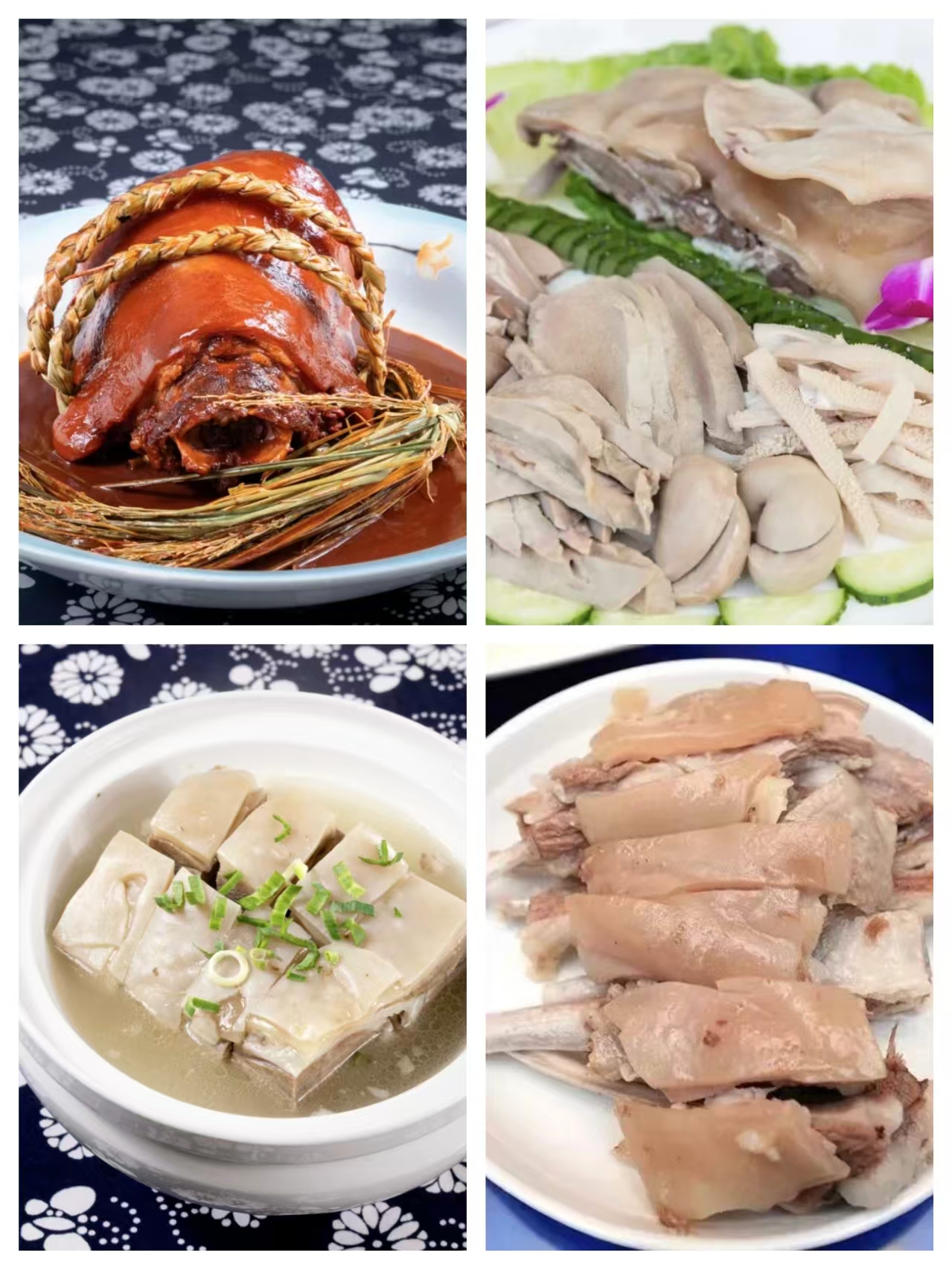
2. Zhangqiao mutton
With a history spanning generations, Zhangqiao mutton is renowned as "the finest mutton under heaven". More than a local delicacy, it embodies a rich tradition that integrates culinary craftsmanship, folk customs, ritual practices, and cultural expression.
From the careful selection of sheep to traditional processing techniques and time-honored cooking methods, every stage follows distinctive local practices that have been preserved and passed down over the years.
Zhangqiao mutton has been included in Jinshan's third batch of district-level intangible cultural heritage items.
Recommended spot: Zhangqiao Mutton Street. Parking is available at the intersection of South Jinshi Road and Zhangqiaocun Road in Jinshanwei town.
3. Jinshan Yan dishes
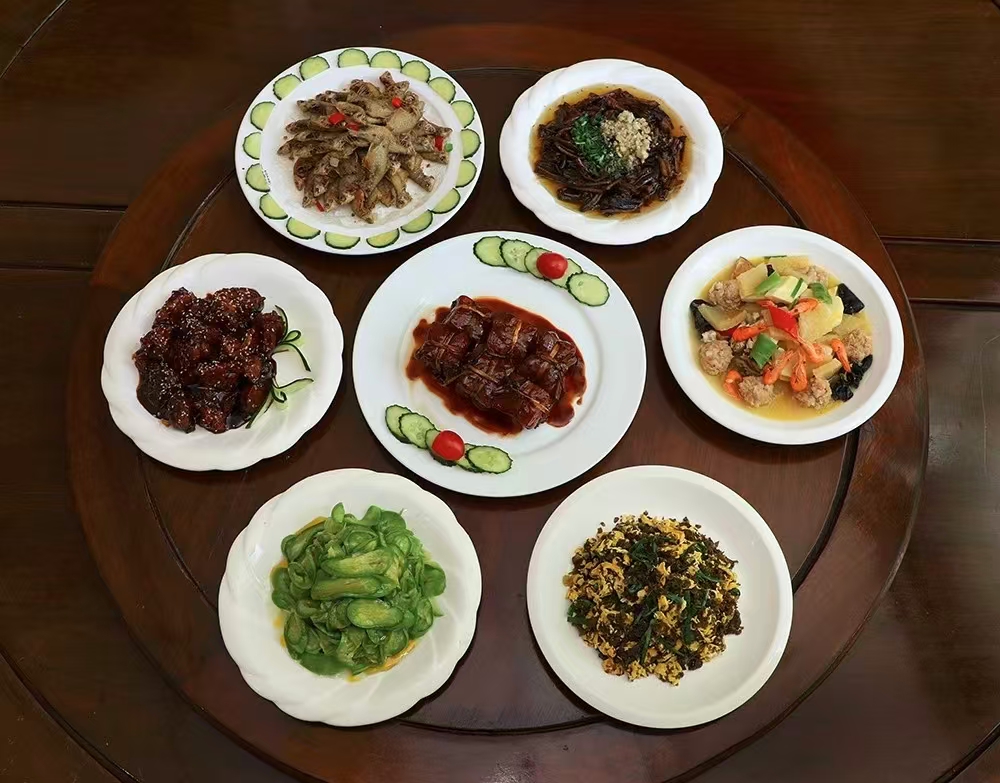
The cooking methods of Jinshan Yan dishes date back to the late Qing Dynasty (1644-1911) and later gained fame. At its heart are seven signature dishes: hot oil eel shreds, braised pork, sweet and sour spare ribs, pickled green eggplant, stir-fried three delicacies, fried Chinese bitterling fish, and scrambled eggs with wild greens.
Known for its high-quality ingredients, meticulous preparation, and distinctive flavors, Jinshan Yan cuisine reflects the region's rich culinary heritage and enduring gastronomic traditions.
The cooking tradition was included in Shanghai's sixth batch of municipal intangible cultural heritage protection items in 2019.
Recommended spots:
- Liuxi Diyi Lou, near Alley 170, Middle Xinhua Road, Zhangyan town
- Liuxi Heping Restaurant, No 1 Shipi Alley
4. Wen Wan Tai pickled vegetables
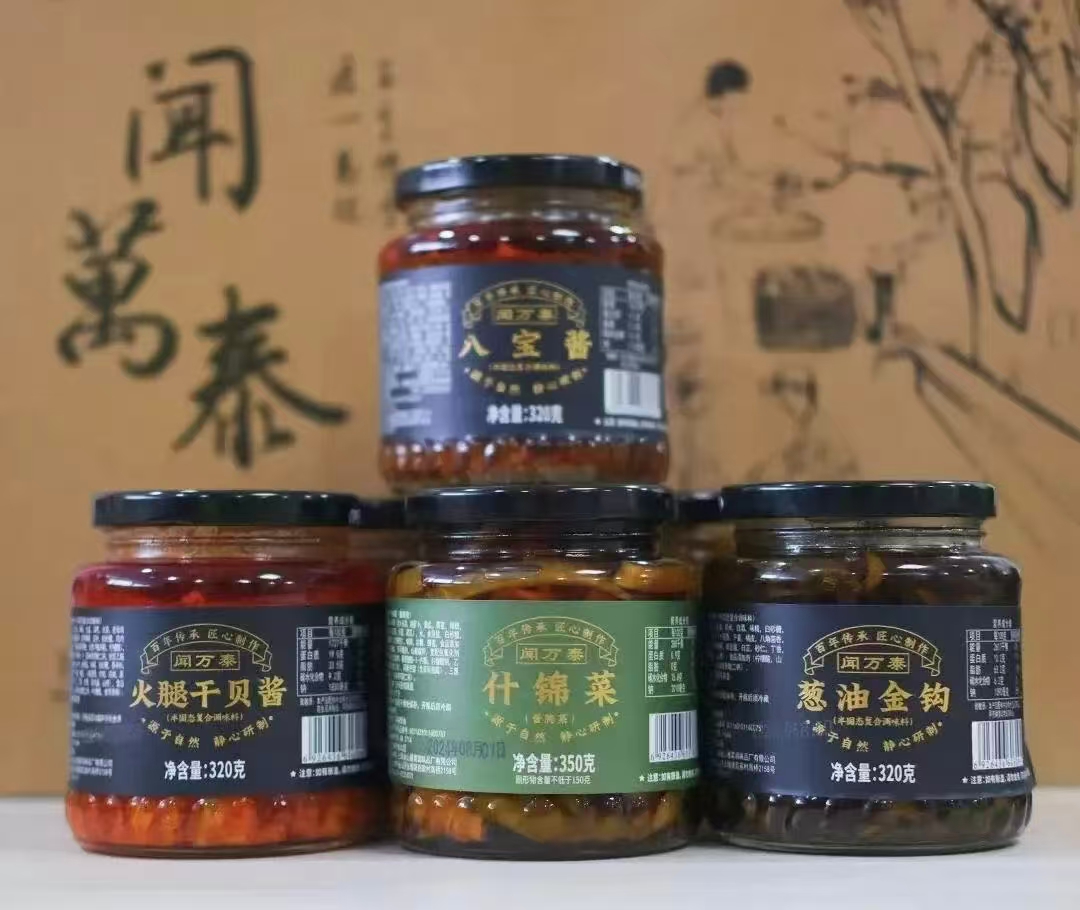
Wen Wan Tai pickled vegetables are crafted from locally grown produce using traditional techniques. Popular varieties include pickled cucumber, tender sprout, assorted vegetables, stuffed melon, and pagoda-shaped pickles.
The craft was included in Jinshan's sixth batch of district-level intangible cultural heritage items in 2017.
Recommended spot: Shanghai Jinshan Sauce and Pickle Factory, No 2158 Gaoqiao, Baijia village, Zhangyan town
5. Fengjing Dingti
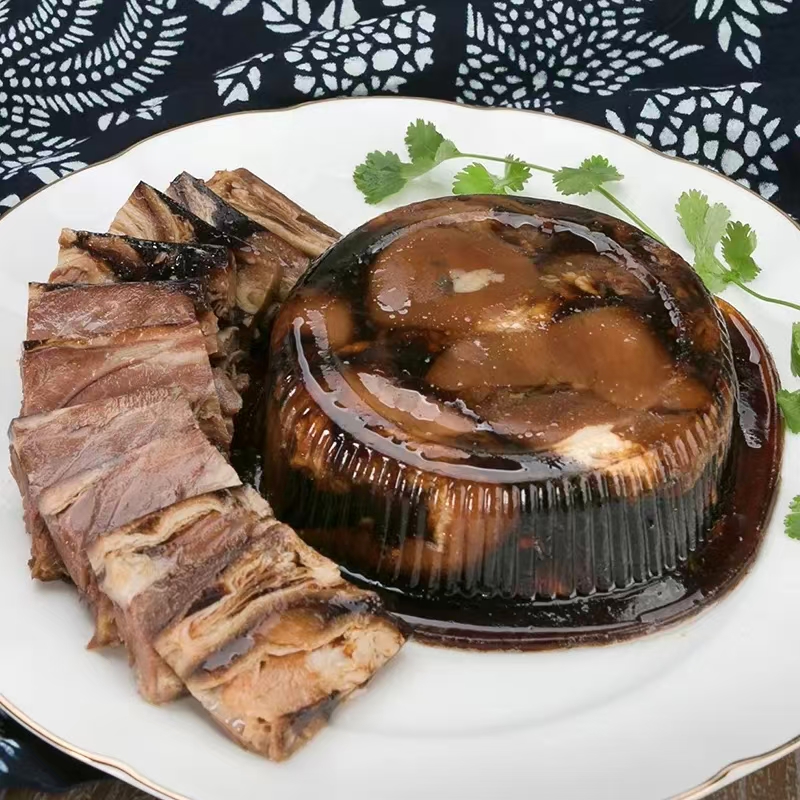
Fengjing Dingti, or Fengjing braised trotter, was first created in 1852 during the Qing Dynasty and earned a gold medal at the 1915 Panama Pacific International Exposition.
The delicacy is prepared through an intricate eight-step process that involves cleaning, trimming, blanching, removing hair, simmering in a master broth, adjusting the heat three times, plating, and deboning. Each step is executed with meticulous care, resulting in a dish prized for its distinctive texture and flavor. It is aromatic and refreshing when served cold, yet exceptionally tender and flavorful when enjoyed hot.
The craft was included in Shanghai's first batch of municipal intangible cultural heritage items in 2007.
Recommended spot: Ding Yi Xing, No 98 Xinjing Road, Fengjing town
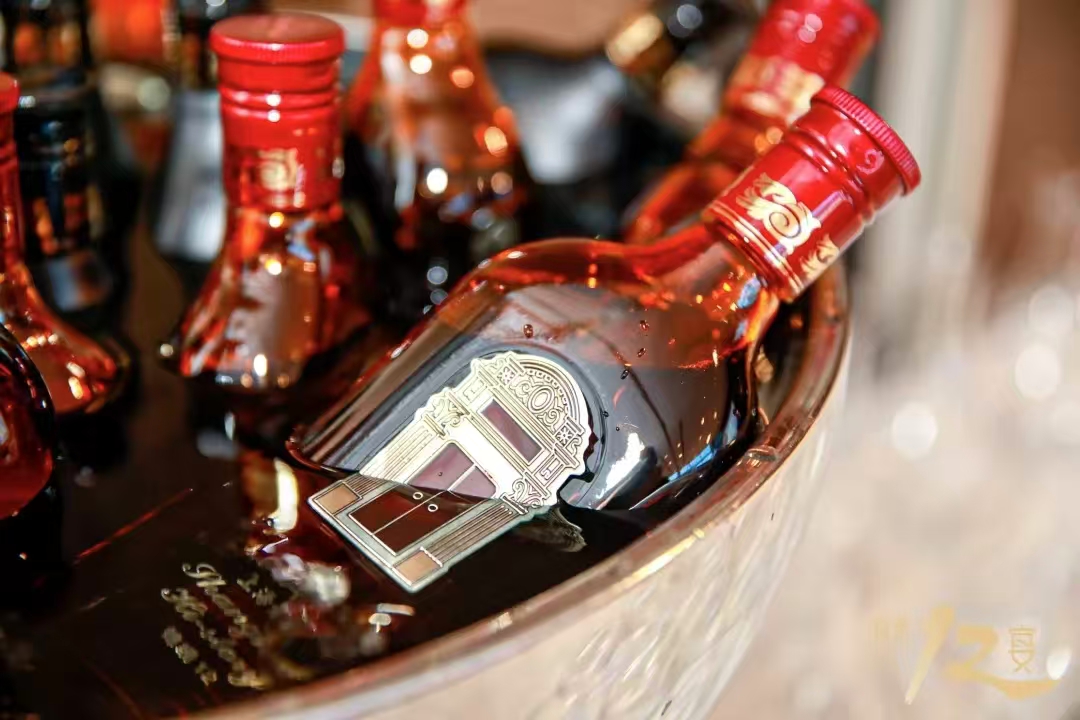
6. Fengjing yellow wine
Fengjing yellow wine is made from glutinous rice through a double fermentation process. Fengjing, an ancient town on the border of Jiangsu and Zhejiang provinces, has absorbed the essence of Shaoxing wine while also preserving the craftsmanship of Jiangsu's sweet rice wine.
The wine tradition was included in Shanghai's first batch of municipal intangible cultural heritage items in 2007.
Recommended spot: Wuyue Guzhen Jingyan Food Store, No 228-232 Fengli Road, Fengjing town
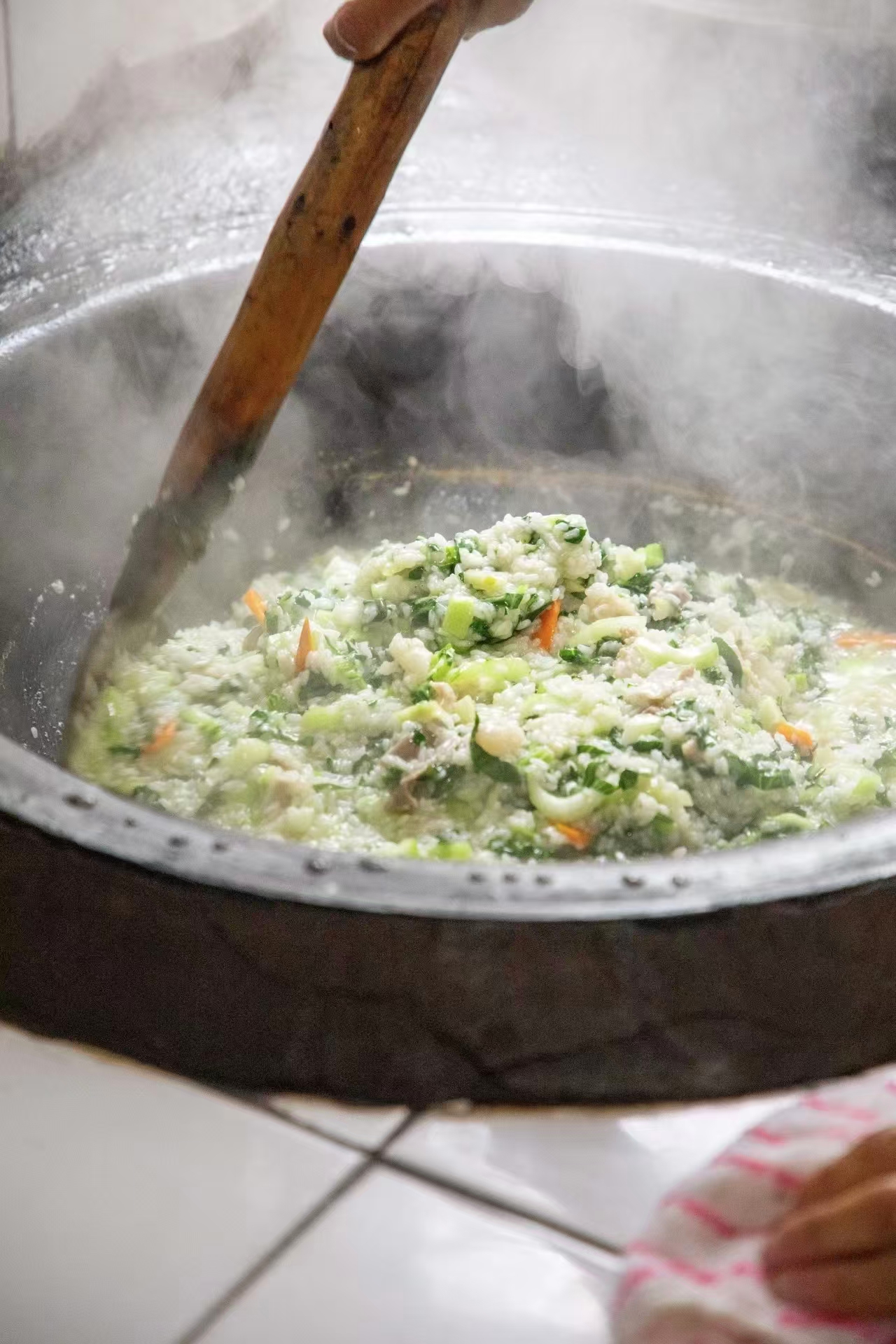
7. Jinshan clay oven rice
Clay oven rice is a traditional dish found throughout the Jiangnan region. Prepared with locally grown rice, rapeseed oil, lard, and greens, it is seasoned with salt, cooking wine, and sugar before being slowly cooked in a traditional earthen stove.
Simple yet deeply flavorful, this dish embodies the rustic charm of Jiangnan's countryside and reflects a way of life shaped by generations of agricultural tradition. More than a beloved local specialty, it serves as a living reminder of the region's history and cultural heritage.
The craft was included in Jinshan's seventh batch of district-level intangible cultural heritage items in 2020.
Recommended spots:
- Fu A Yi, No 1067 Nongjiale, Zhonghua village, Langxia town
- Wai Po Jia, No 1096 Nongjiale, Zhonghua village, Langxia town
8. Tinglin mooncake
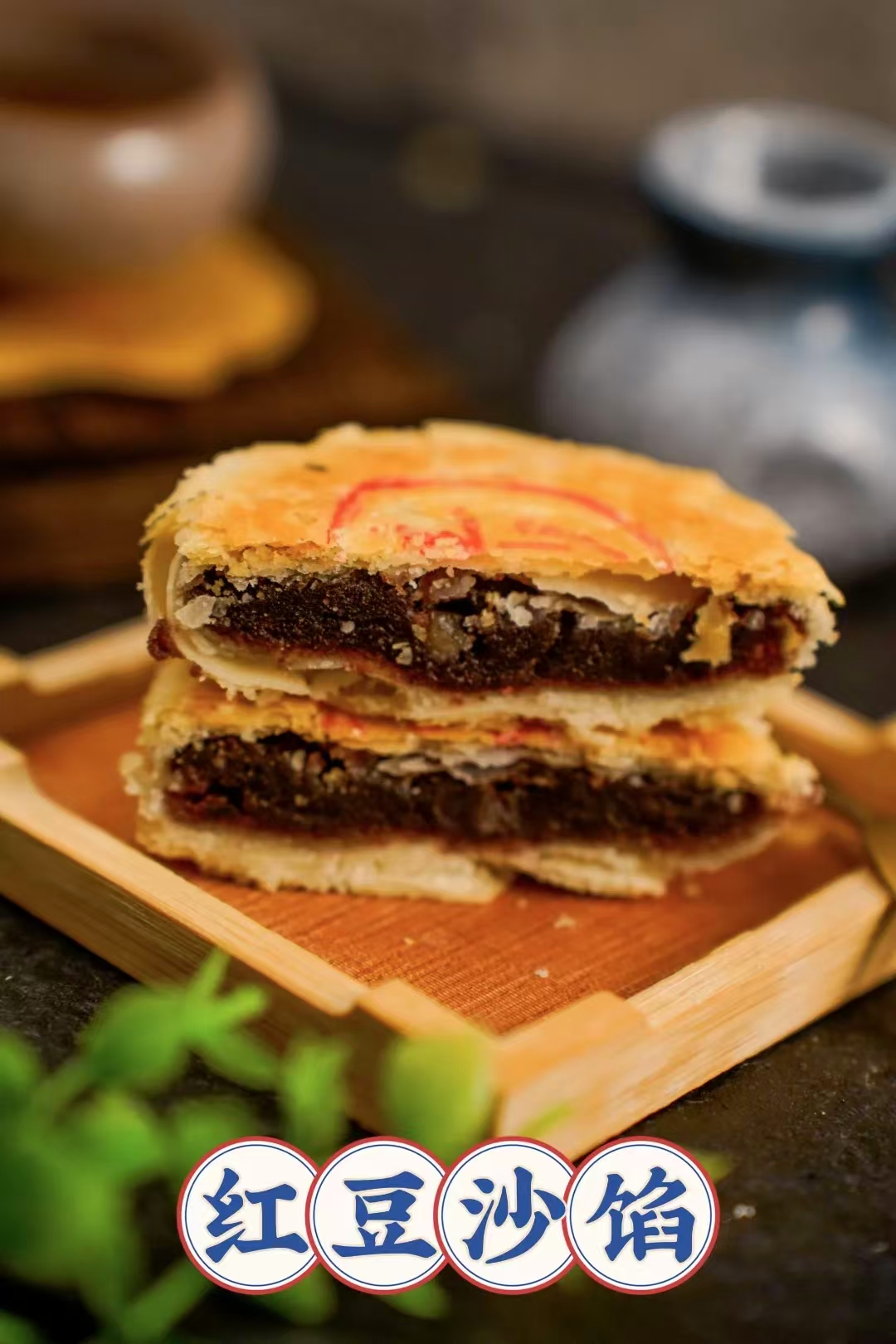
According to local chronicles, Tinglin mooncakes trace their origins to Ri Sheng Lou, a century-old pastry shop renowned for its traditional craftsmanship.
The mooncakes are distinguished by their flaky, tender crust and warm golden hue. Richly aromatic yet never overly oily, they strike a balance between indulgence and refinement. Their round shape and golden color evoke the image of a full moon, reflecting the symbolism and traditions associated with the Mid-Autumn Festival.
The craft was included in Jinshan's sixth batch of district-level intangible cultural heritage items in 2017.
Recommended spot: Tinglin Donglin Food Factory, No 2606 Jinzhan Road, Tinglin town
9. Bailong rice cake
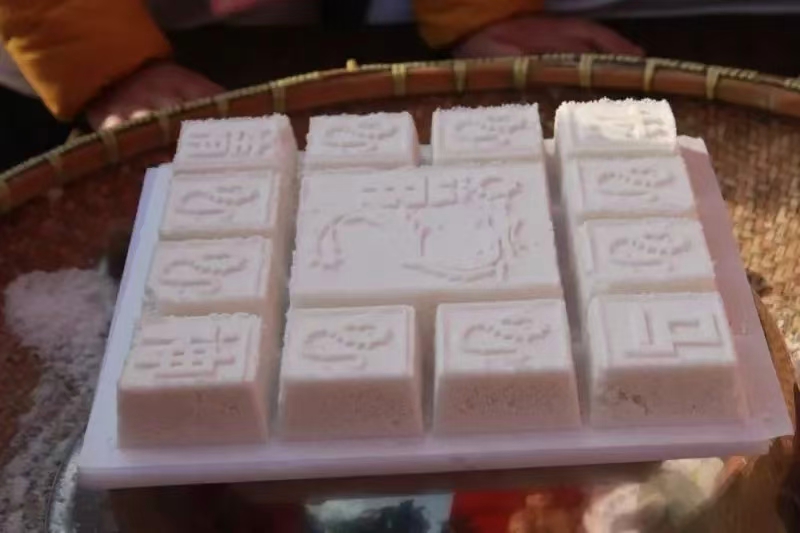
Bailong rice cake from Lyuxiang town boasts a history of more than a century and remains one of the area’s most cherished traditional delicacies.
Known for its smooth, soft texture, the rice cake is pleasantly sweet without being overly sticky, with a delicate fragrance that lingers on the palate. Traditionally square in shape, it is often divided into 25 smaller squares or arranged as 12 small squares surrounding a larger central piece.
The rice cake-making technique of Lyuxiang was included in Shanghai's fifth batch of municipal intangible cultural heritage items in 2015.
Recommended spot: Er Jie Rice Cake Factory Store, No 2029 Lyuxin Road
Source: Jinshan district
Editor's Pick


FAQs
- What if my passport expires but my Chinese visa is still valid?
- Can pets and owners depart from different countries while complying with customs regulations?
- Can a minor travel to China and stay in a hotel without a parent's presence?
- Who is eligible for the 240-hour visa-free transit policy in China?