Seven stops to explore Chinese New Year on West Nanjing Road
For the upcoming Spring Festival holiday, Jing'an district has introduced a series of themed city walk routes that weave together Shanghai's local heritage with contemporary culture.
This guide focuses on the route centered on West Nanjing Road, one of the city's most iconic shopping areas. Covering seven stops, the walk links fashion landmarks, historic Shikumen architecture, cultural exhibitions, traditional craftsmanship, and a temple with a history stretching back more than a thousand years.
Route overview
The Louis → Zhangyuan → Feng Sheng Li → Mi Shanghai Prada Rong Zhai → Longfeng Cheongsam → CITIC Square → Jing'an Temple
Most stops along West Nanjing Road are within easy walking distance. The route from The Louis to CITIC Square covers approximately 1.7 kilometers and takes around 29 minutes on foot, excluding time spent at each venue.
From CITIC Square, visitors can take Metro Line 2 from West Nanjing Road Station (Exit 4) for one stop to Jing'an Temple Station. After exiting from Exit 2, the temple is about a two-minute walk away.
Visitors are advised to check real-time directions in advance using local map services.
Stop-by-stop guide
1. The Louis
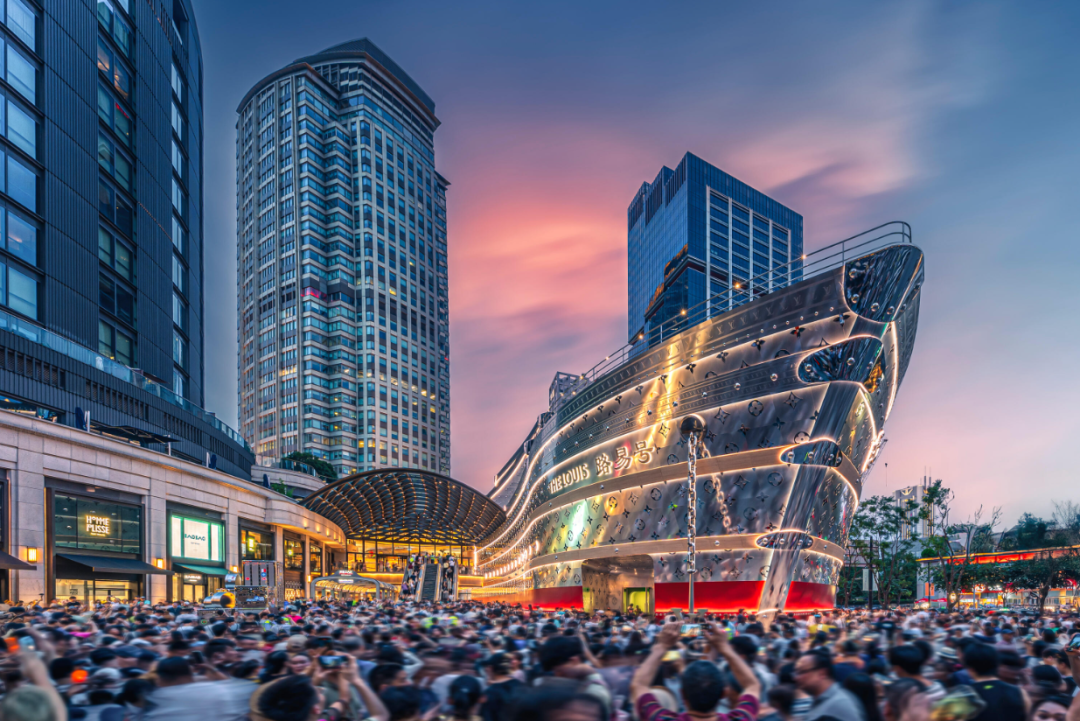
The Louis is a three-story cruise ship installation by Louis Vuitton, spanning approximately 1,600 square meters and combining exhibition, retail, and dining functions. Entry requires a reservation. The first floor features brand exhibitions, the second floor houses the boutique and retail area, and the third floor contains Le Cafe Louis Vuitton, which requires a separate reservation for dining.
2. Zhangyuan
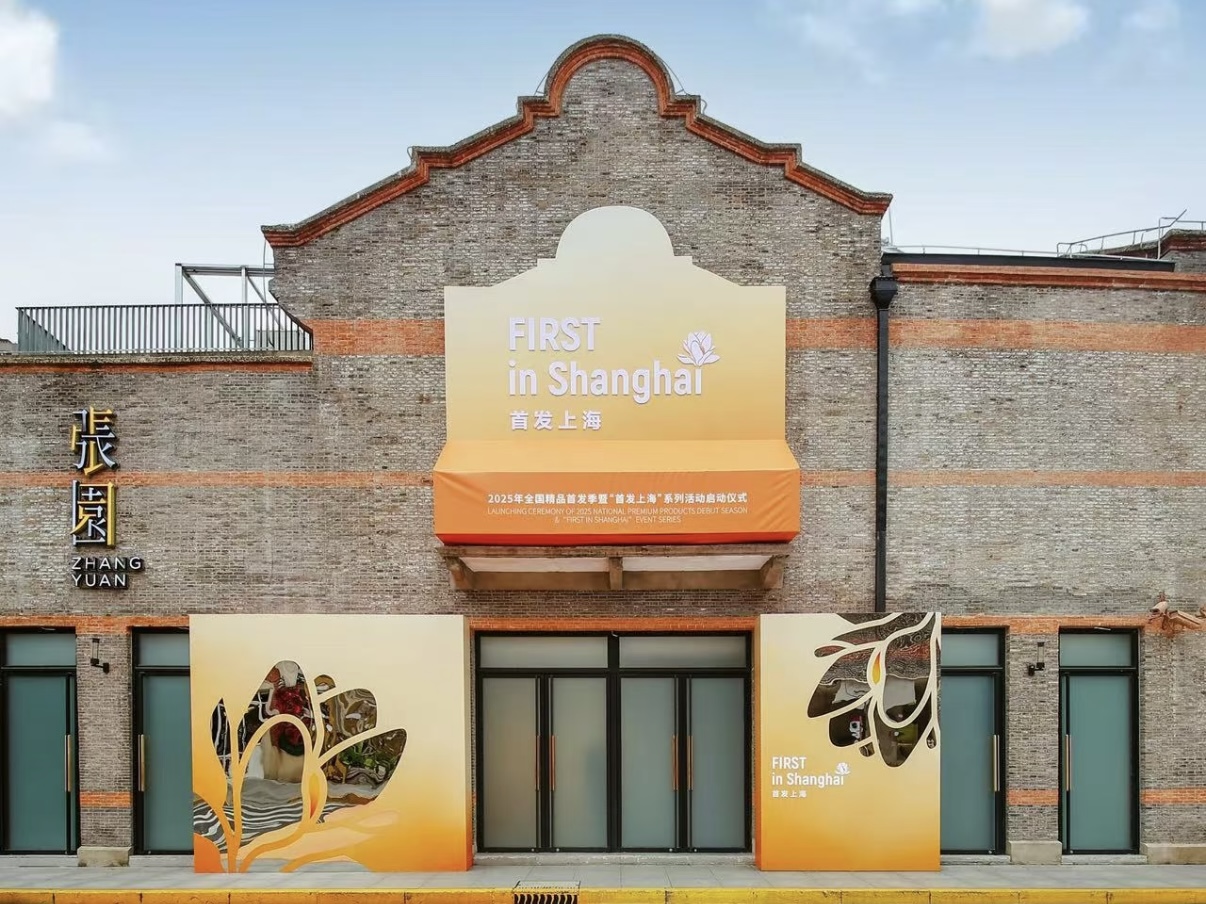
Zhangyuan is a renovated Shikumen complex that blends historic architecture with cultural programming and retail. During the Chinese New Year period, it will host a high jewelry exhibition by V MUSE (Feb 14 to March 8), outdoor installations in collaboration with Lego (Feb 15 to 23), and daily light displays as part of the Fourth Shining Shanghai Jing'an International Light Festival (5:30 pm to 9:30 pm).
3. Feng Sheng Li
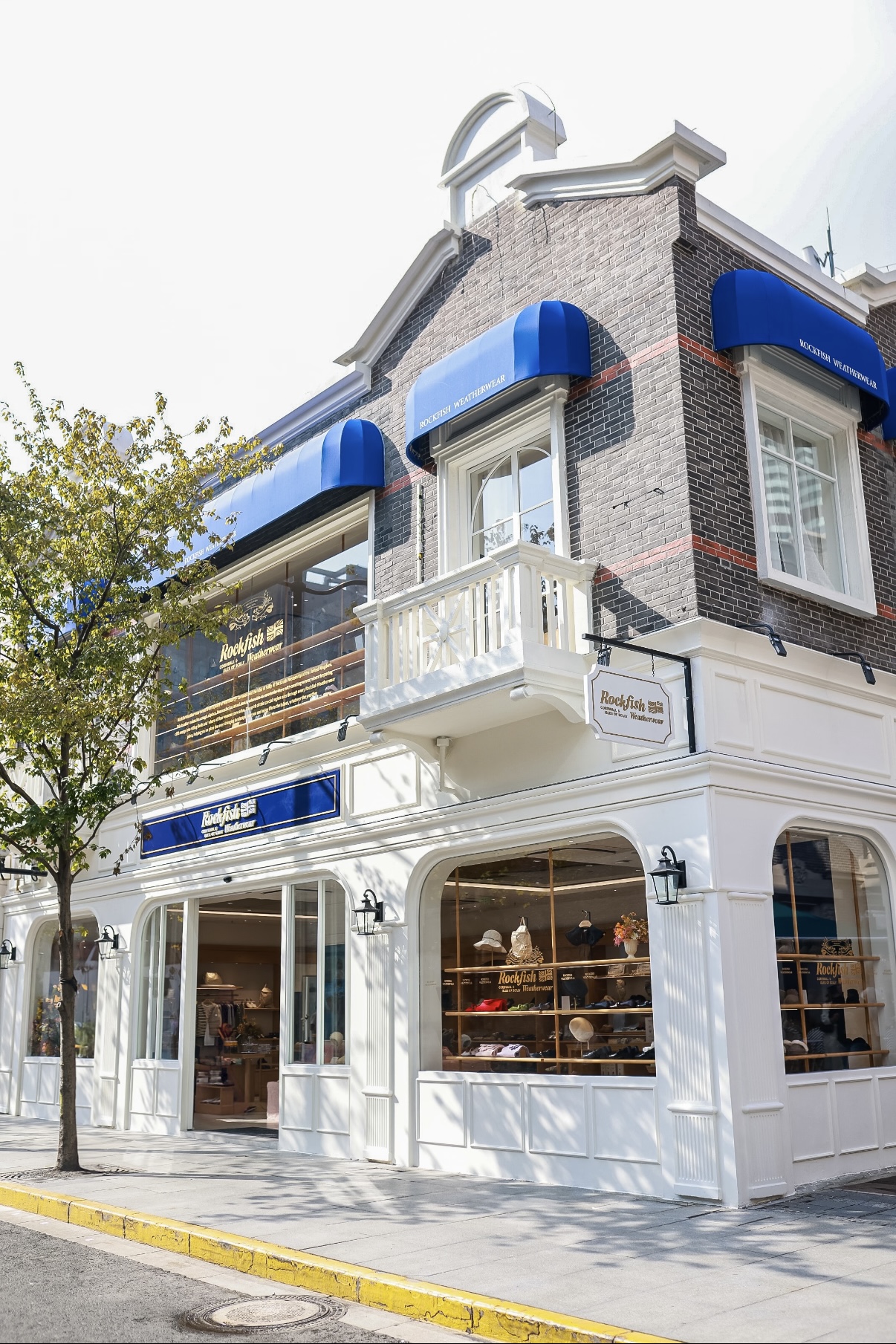
Feng Sheng Li was originally a cluster of Shikumen buildings that housed a farmers' market, a community center, and residential units. Long familiar to the city's older generation as a part of old Shanghai, the area has since been carefully restored, preserving its distinctive Shikumen character while accommodating a diverse mix of contemporary commercial and cultural spaces. With high-end restaurants, Cantonese tea houses, cafes, small bars, and bakeries, Feng Sheng Li is a popular destination for younger visitors.
4. Mi Shanghai Prada Rong Zhai
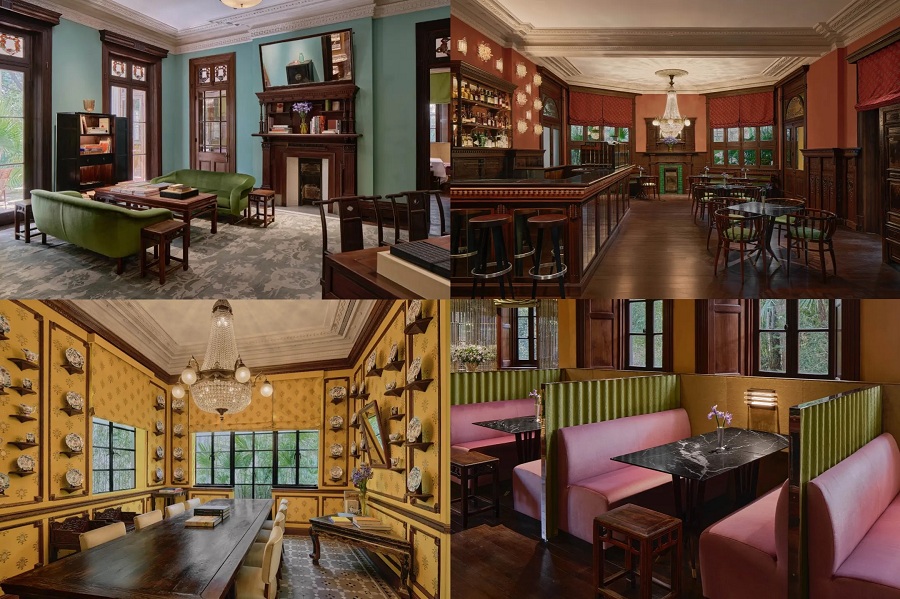
Mi Shanghai Prada Rong Zhai is Prada's first standalone dining space in Asia, designed in collaboration with filmmaker Wong Kar Wai to integrate art, history, culture, and gastronomy. The interior combines Prada's art collection with Chinese antique furniture, while the venue hosts art exhibitions and cultural events throughout the year. Dining is available from brunch to dinner, featuring a menu that blends Italian and Chinese flavors, with dishes by Lorenzo Lunghi and desserts by Diego Crosara. Reservations are required for entry and dining.
5. Longfeng Qipao
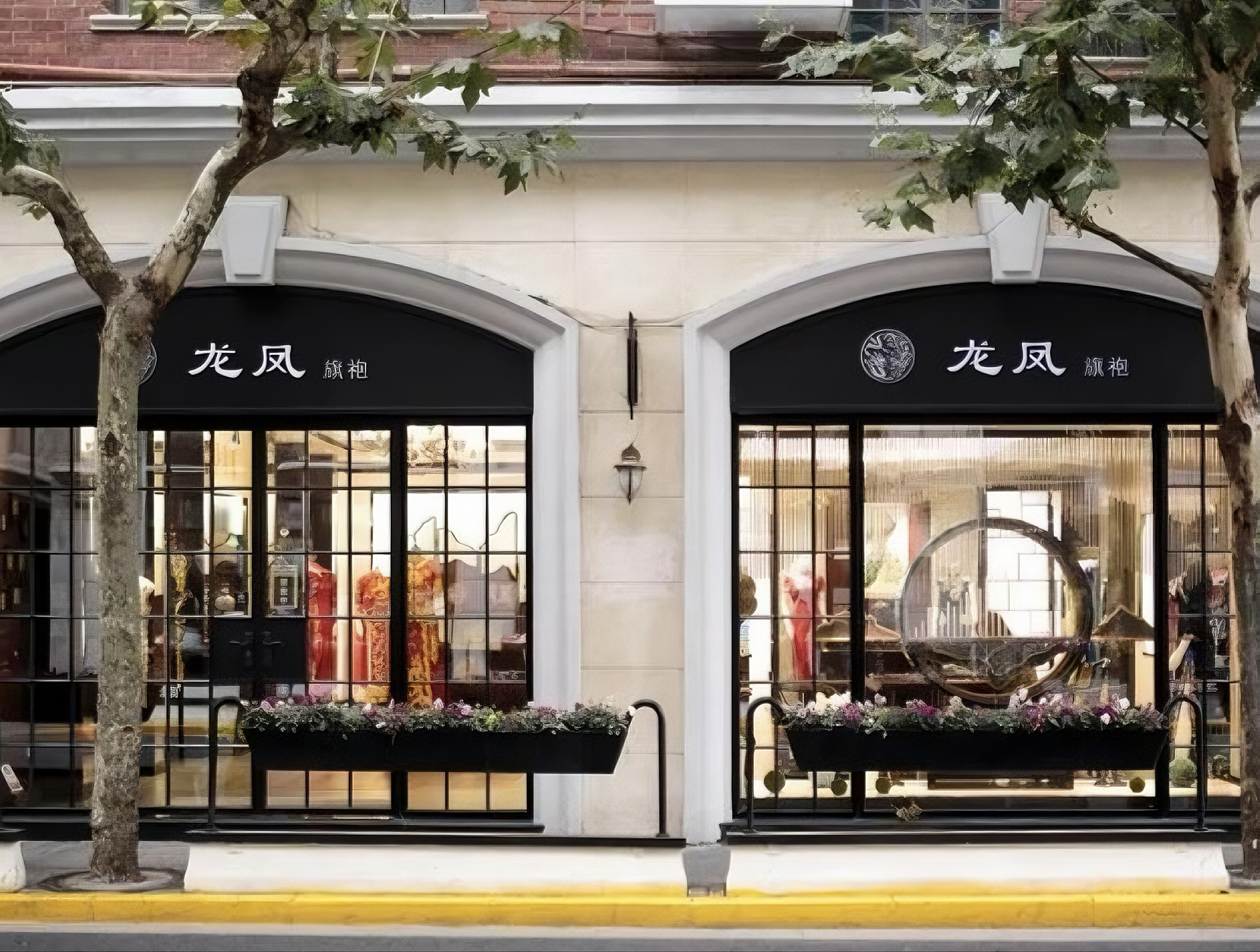
Founded in 1936, Longfeng is one of Shanghai's most respected traditional fashion brands. Its handcrafted qipao feature silk fabrics, Suzhou embroidery, and traditional fastening techniques. The brand's handmade qipao craftsmanship is recognized as a national-level intangible cultural heritage, providing visitors with a rare opportunity to see living textile traditions in a modern retail setting.
6. CITIC Square
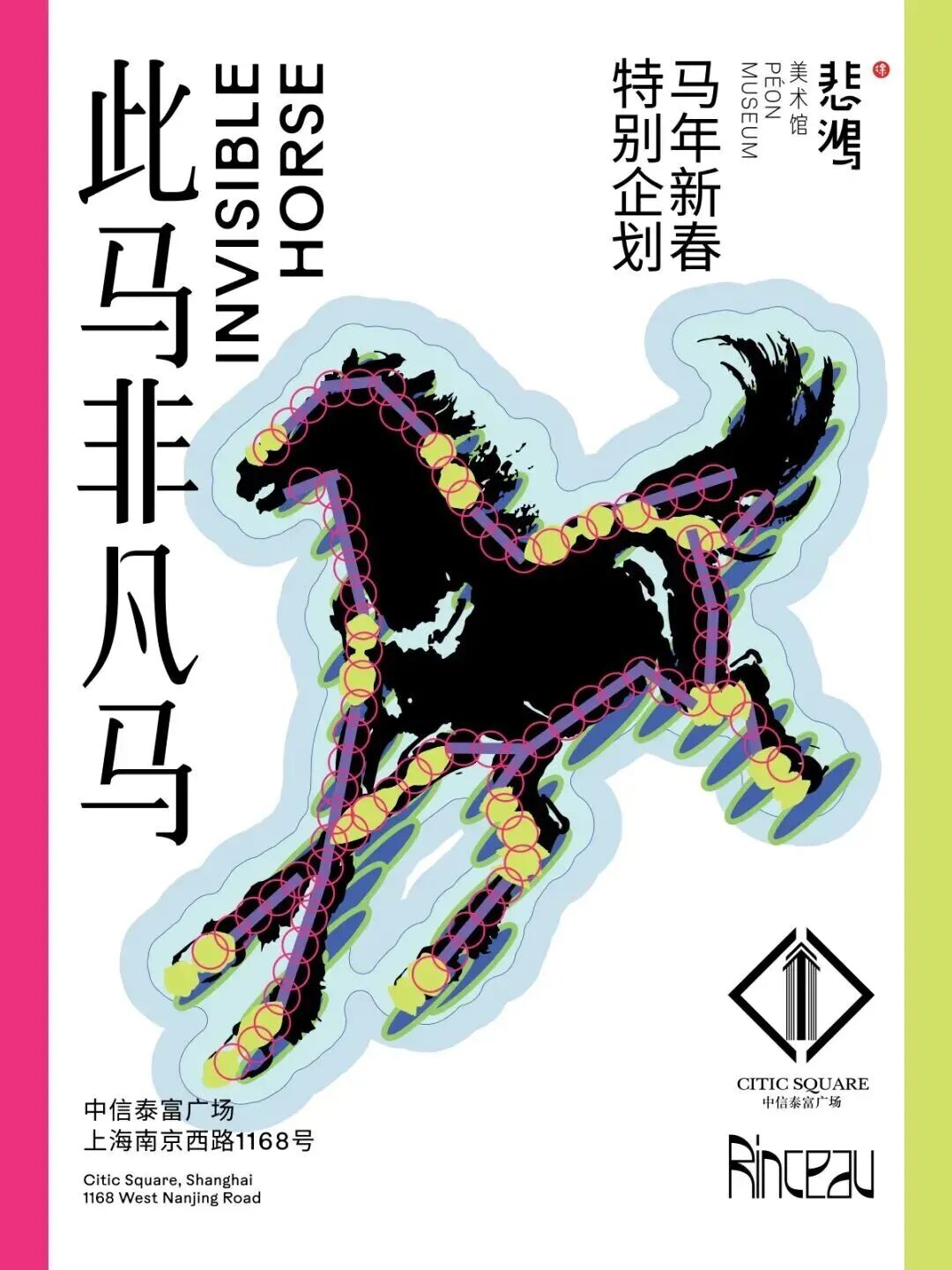
CITIC Square is a major commercial complex on West Nanjing Road. During the holiday season, it will host the exhibition Invisible Horse, a Chinese New Year project inspired by Xu Beihong's iconic horse paintings. Using mirrors, geometry, and layered reflections, the exhibition reinterprets classical ink painting through contemporary spatial design.
7. Jing'an Temple
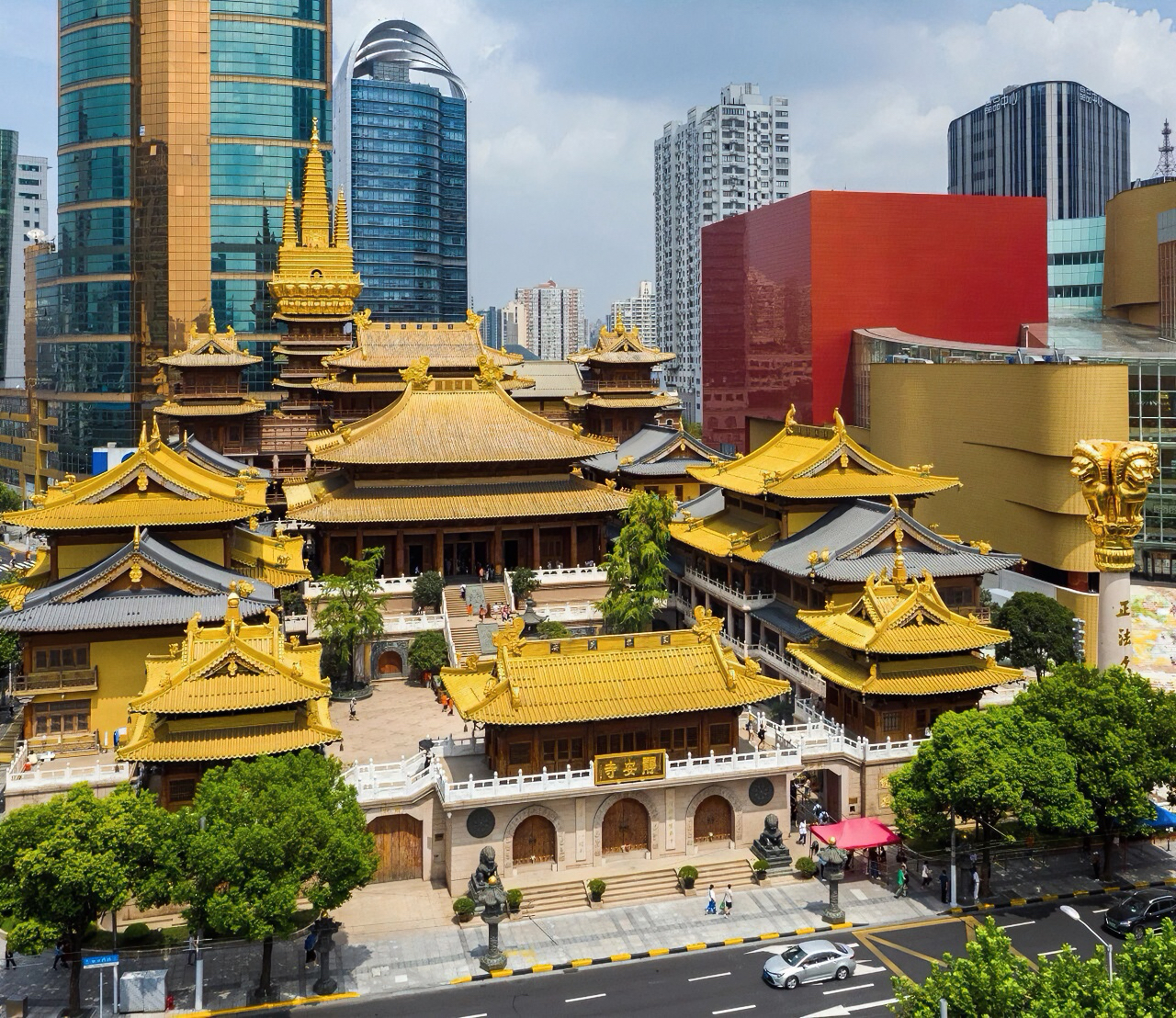
With a history spanning more than 1,700 years, Jing'an Temple is one of Shanghai's principal sites for Chinese New Year prayer. Its gilded roofs stand in striking contrast to the surrounding modern skyline. For photography, the Huashan Road pedestrian overpass offers a popular vantage point to capture the temple framed by the city's high-rises.
Sources: WeChat account of Shanghai Jing'an Media Center and venues mentioned above