Sanda University hosts Chinese cultural heritage workshop blending AI and humanities
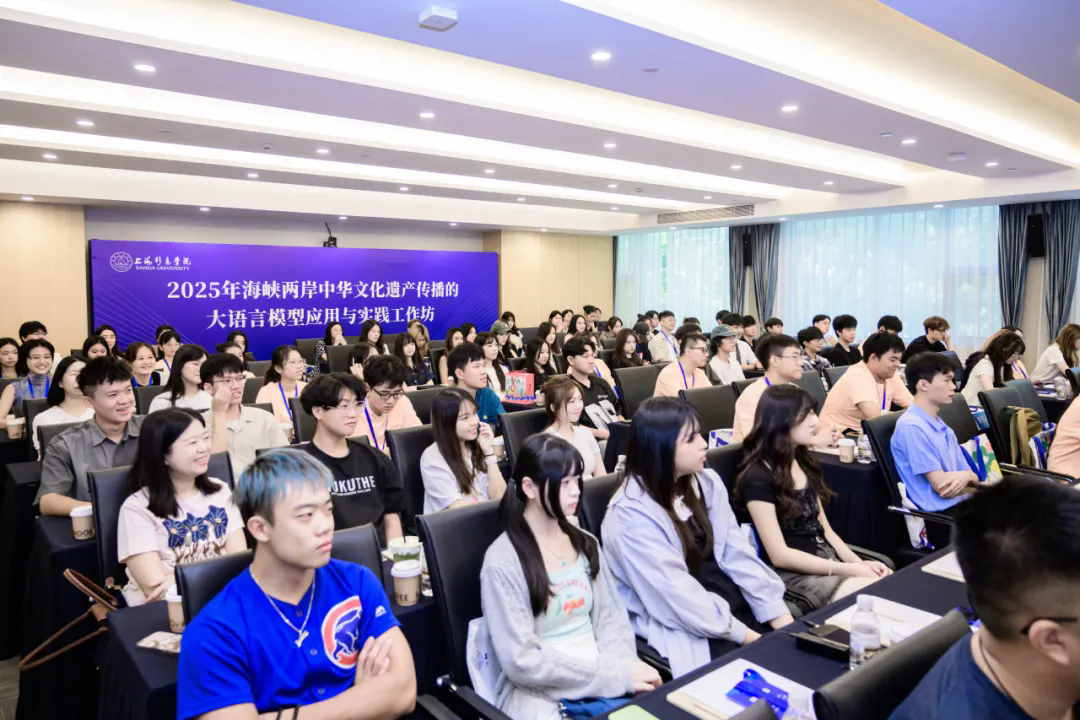
Shanghai's Sanda University hosted a cultural workshop on the application and practice of large language models in communicating Chinese cultural heritage across the Taiwan Strait from Aug 26 to Sept 2.
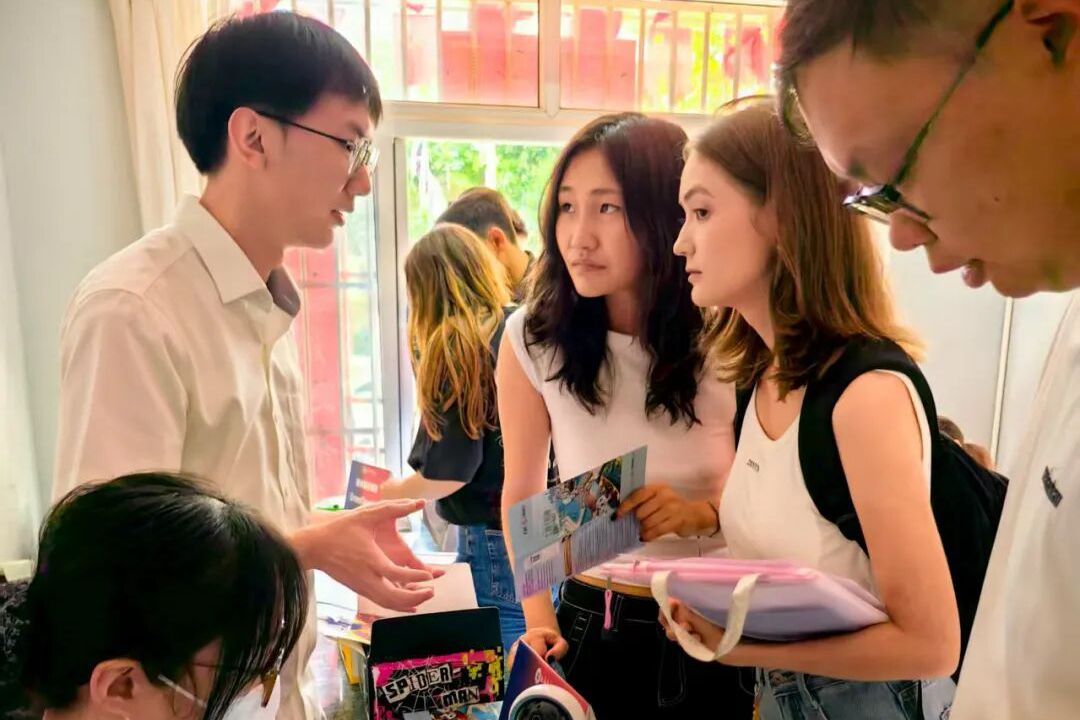
Focused on AI-powered cultural communication, the program combined technical training with cultural experiences, offering 60 students from Taiwan and 19 volunteer students from Sanda University a 10-day immersive journey designed to deepen mutual understanding and cooperation among young people across the Strait.
Pan Huibin, vice president of the university, encouraged participants to master key technological skills in the AI-driven digital era. He also invited students from Taiwan to explore Shanghai's urban charm and gain valuable cross-cultural experiences.
The workshop featured three main components: academic courses, technical practices, and cultural visits.
The academic session included specialized courses, such as workshops on Cross-Strait Chinese Cultural Communication and New Media Technology Application, Retrieval-Augmented Generation for New Media Communication from a Digital Humanities Perspective, and The Construction and Application of Multimodal Corpora for Chinese Culture.
Participants also visited iconic sites showcasing Shanghai's modern development, such as Yangshan Deep-Water Port, the China Maritime Museum, and Shanghai Tower. Cultural experiences included a night cruise on the Huangpu River to admire the dazzling nightscape of the Bund and Lujiazui, a trip to Hangzhou to experience West Lake performances, as well as a visit to Shanghai Shenxian Distillery and a cultural and creative park. Students also gained hands-on experience in intangible cultural heritage activities like lacquer fan making.
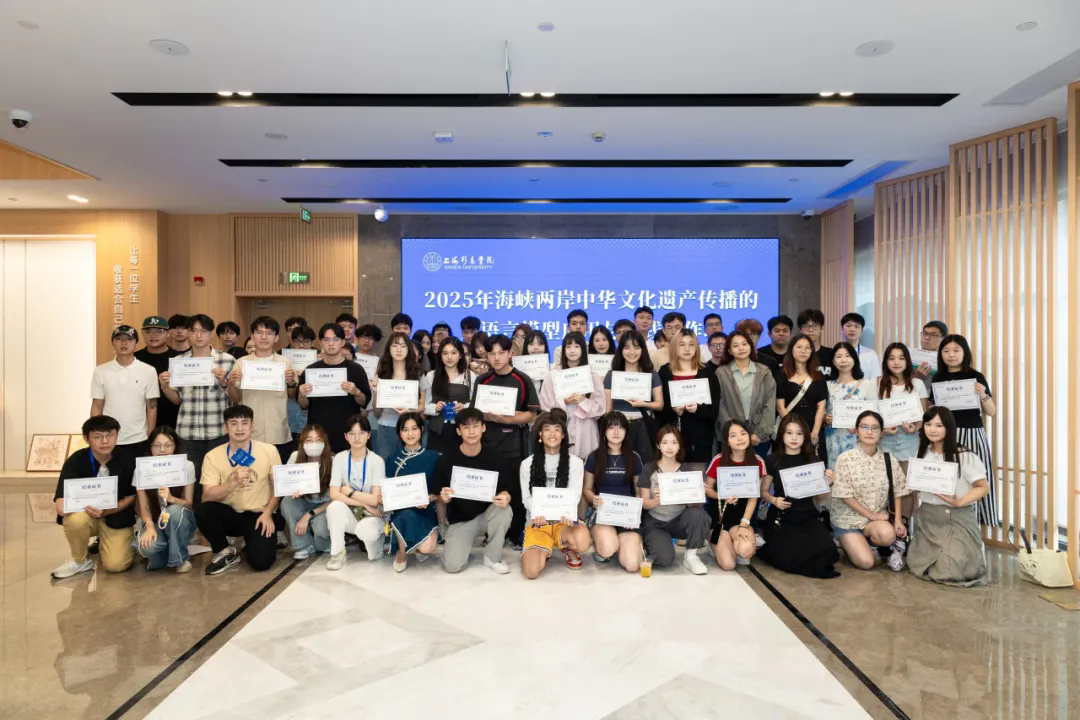
At the closing ceremony, several groups shared their reflections and innovative practices, demonstrating how large language models can be used to digitally interpret, visually present, and creatively communicate traditional Chinese culture. Their creative proposals highlighted fresh perspectives on the integration of technology and the humanities.
This workshop not only gave participants opportunities to engage with cutting-edge AI technologies but also offered meaningful insights into AI-driven cultural exchange and the future of cross-Strait dialogue.
Source: Official WeChat account of Sanda University at "sdnews2014"