Shanghai Style custom services extend into everyday life in Pudong
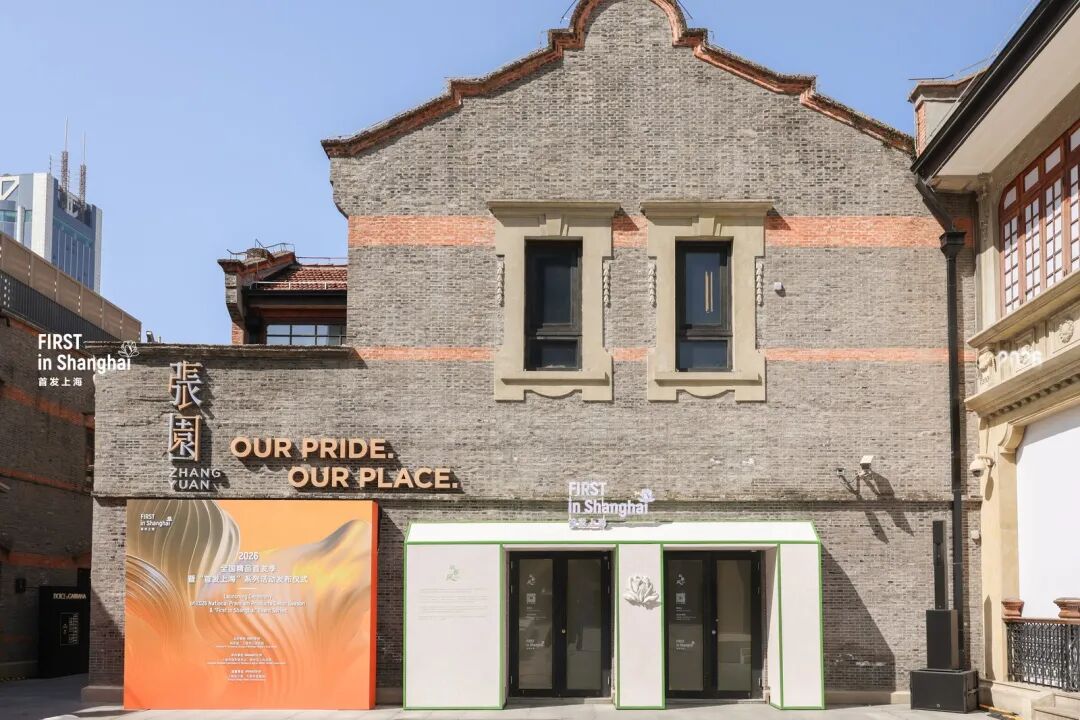
Shanghai is bringing custom-made services closer to daily life, as the city advances its new "Shanghai Style" initiative. In Pudong New Area, a growing number of businesses are offering personalized products and services, turning what was once an occasional luxury into a more accessible part of daily life.
Custom clothing becomes part of daily life
At Shanghai No 1 Yaohan shopping center, custom clothing services are designed to meet the needs of diverse customer groups.
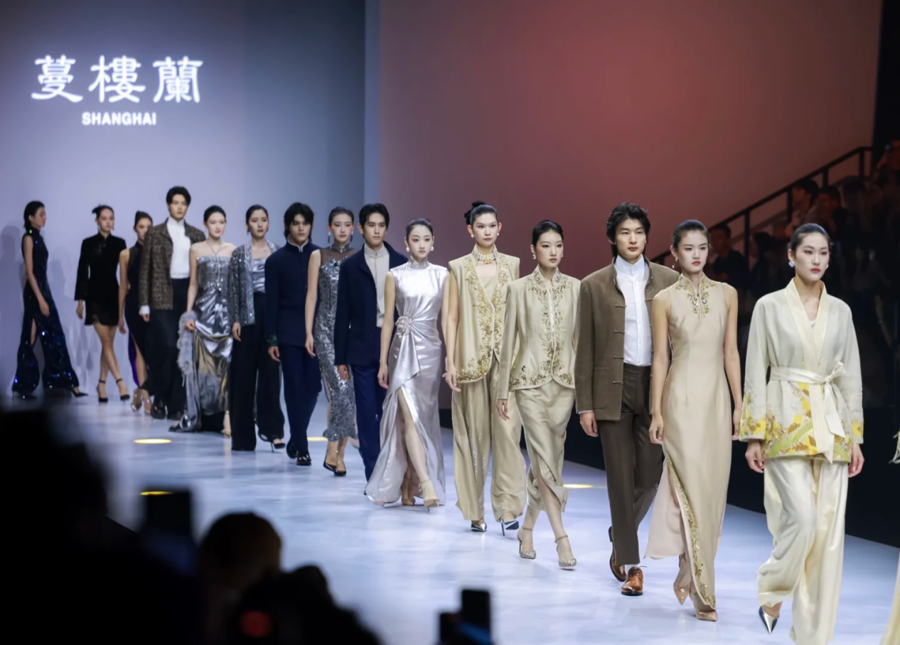
On the third floor, Chinese-style fashion brands such as Manloulan and PPLC combine intangible cultural heritage techniques with French embroidery. Many young women choose to have their first Chinese-style formal dress made here, balancing classic elements with modern aesthetics. Prices typically range from 3,000 yuan (about $436) to 8,000 yuan.
On the fifth floor, men's tailoring services emphasize precise measurements and refined personalized details, such as custom linings and embroidered patterns. For business clients, these subtle elements offer a discreet yet effective way to express personal identity within professional settings.
From scent to identity
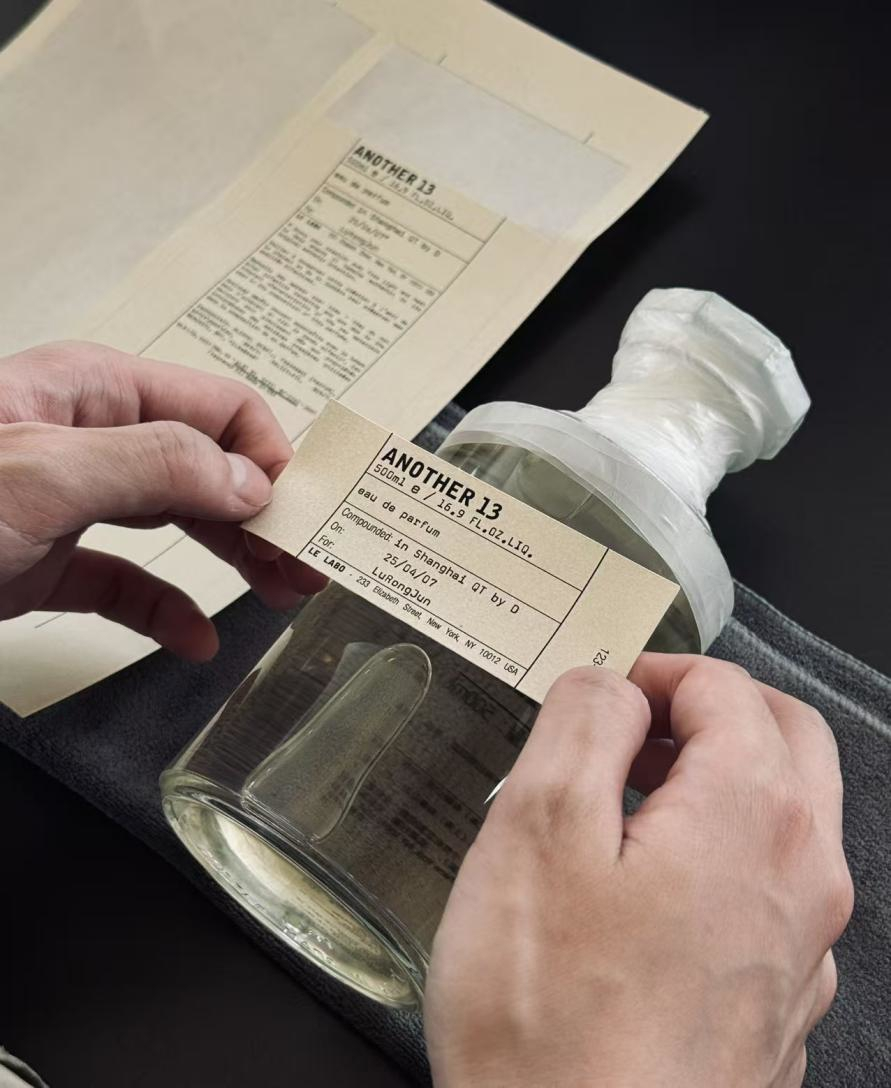
Customization is also expanding into fragrance. At the Le Labo lab in Taikoo Li Qiantan, customers take part in the full process, from selecting scents to designing labels and packaging. Each step is completed on site, lending the experience a strong sense of ritual and personal engagement.
For younger consumers, these personalized fragrances are sometimes described as "invisible accessories", offering a subtle yet distinctive means of expressing identity.
Customization extends into home and lifestyle
Beyond clothing, customization is reshaping how people define their lifestyles, expanding from personal items to living spaces.
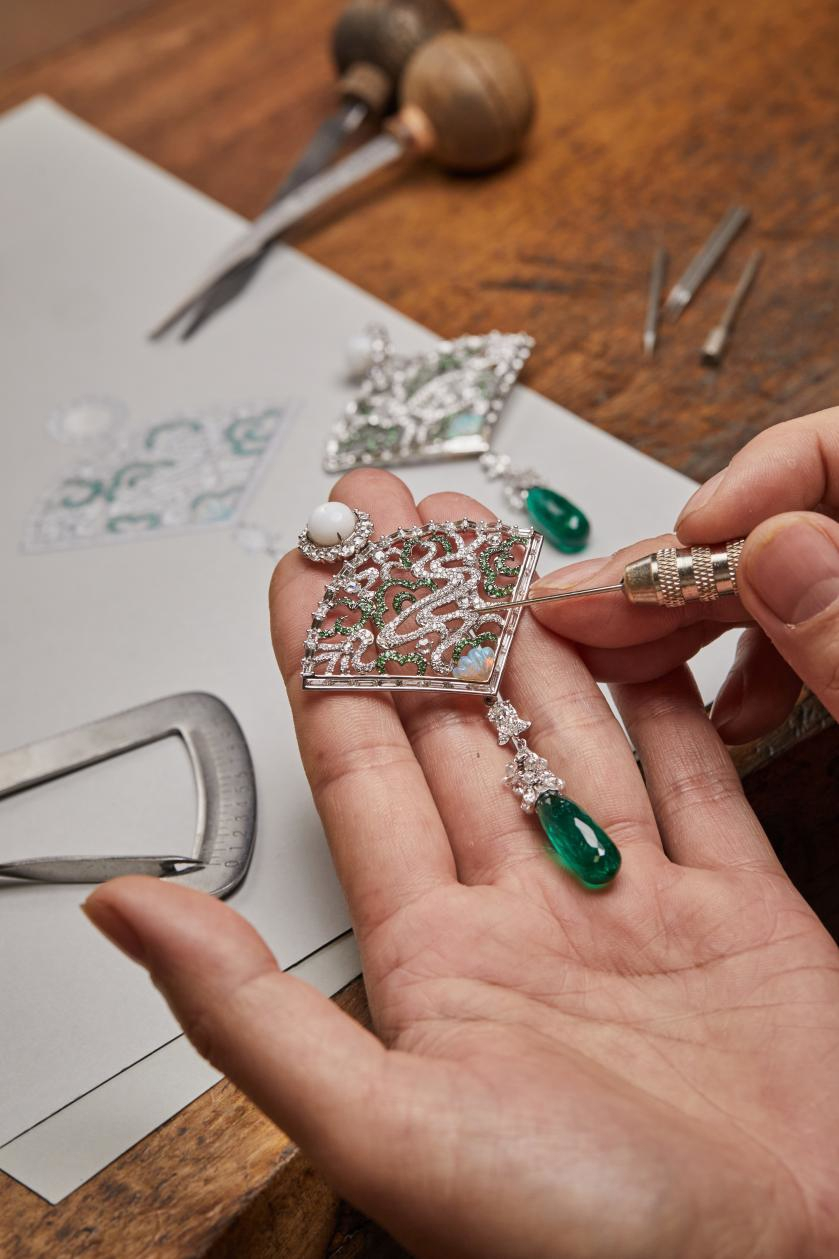
At 1862 Theater along the Pudong riverside, jewelry brand Charlene offers custom pieces that translate Chinese cultural themes into wearable designs, with services available by appointment.
Home furnishing brands such as Royana and Pusu, also located in the same area, focus on interior design, working closely with customers to create spaces that reflect individual preferences, with designers involved throughout the process.
A local cashmere brand, Sandriver, applies traditional pulu textile techniques from the Xizang autonomous region to products such as wall coverings, curtains, and soft furnishings. This approach enables customers to shape cohesive home environments, extending customization from clothing into interior spaces.
Policy support strengthens the sector
The growth of custom services is supported by city-level policies. In March, Shanghai released a plan to promote the Shanghai Style brand, aiming to make it a globally recognized city label within two to three years.
Officials say the focus is not only on branding, but also on improving standards and supporting skilled craftsmanship. Measures are being introduced to guide the sector's development and strengthen its international competitiveness.
Shanghai is also working to improve the shopping experience for overseas visitors. The city plans to expand its instant tax refund service and streamline procedures, making it easier for tourists to access custom services.
Source: Shanghai Municipal Commission of Commerce