An essential handbook for international students seeking medical care in Shanghai
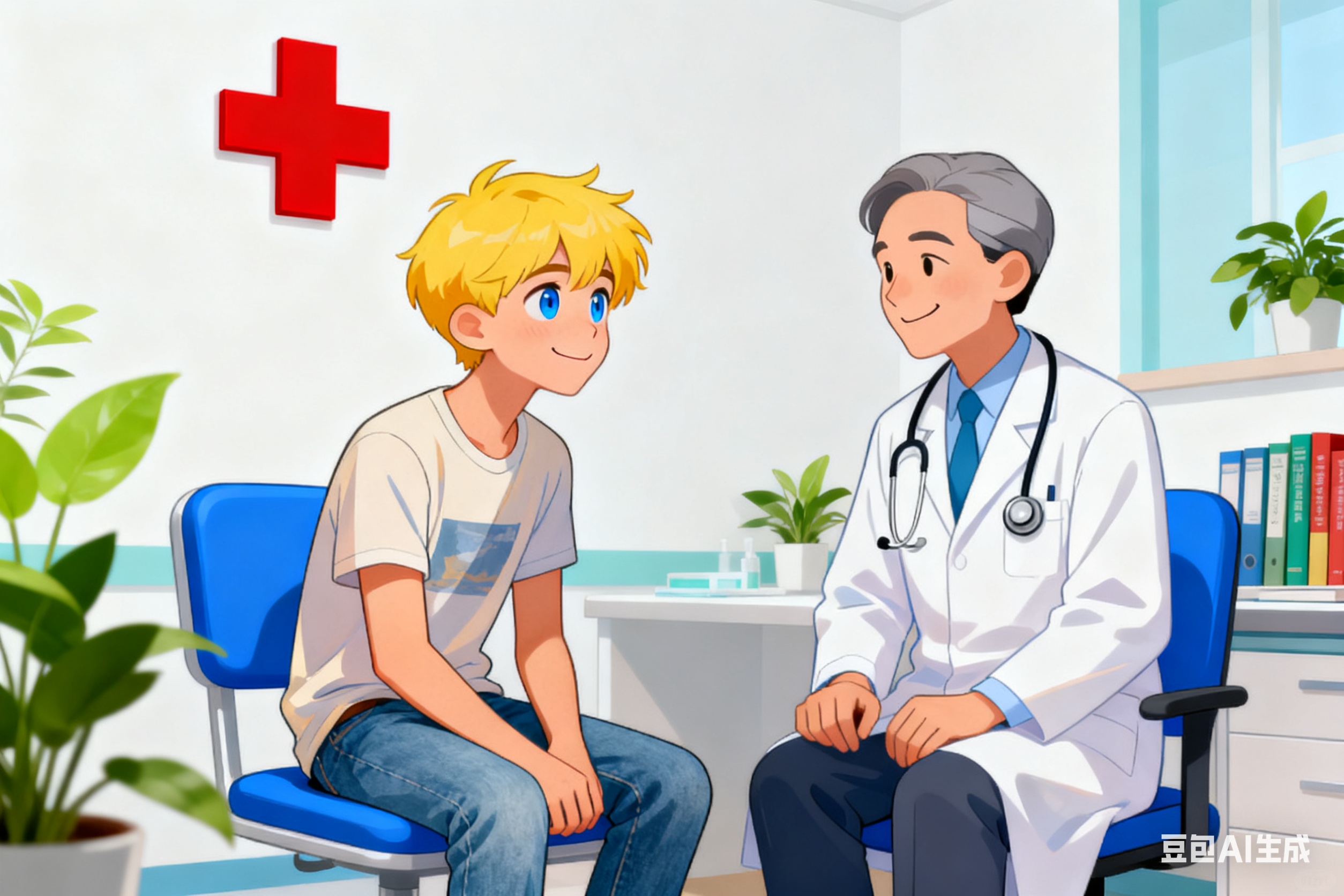
Dear students,
Imagine it's a busy study day in Shanghai, and suddenly you start feeling unwell. You wonder where to seek medical help and how to navigate your insurance. It can be overwhelming in a new city.
Don't worry! This guide will walk you through the steps to get the care you need, from on-campus clinics to local hospitals, and help you manage your insurance with confidence. And remember, in any medical emergency, dial 120 immediately.
On-campus medical care
During your studies in Shanghai, your university clinic or infirmary will be your first point of contact for medical needs. Campus medical centers provide basic health services and can handle most common health issues.
Campus clinics feature these advantages:
Affordable pricing:
Most university clinics operate a "zero price difference" policy, offering medication at cost. Some services are even free or available at reduced fees.
Multiple payment options:
Many schools accept multiple payment methods, including campus cards, bank cards, mobile payments, or cash.
Referral services:
If your condition requires specialized treatment, the campus clinic will help arrange a referral to a hospital.
Tips
1. Before visiting your campus clinic, check its opening hours and available departments to make sure you can find the right place on time.
2. Always keep receipts and medical documents issued by the clinic, as you may need them for insurance claims or follow-up treatment.

Off-campus medical options
In China, medical institutions are divided into public and private hospitals. Public hospitals are government-funded and managed within the government budget system, making medical services more affordable.
Public hospitals in China are classified under a tier system, which can be seen as a form of accreditation. There are three main levels:
Tertiary hospitals (highest level):
These hospitals offer the highest standard of comprehensive medical care in China, capable of handling severe and complex conditions.
Secondary hospitals:
These provide regional medical services with a good balance of expertise and convenience.
Primary hospitals:
Also known as community health centers, these are commonly found near schools. They are ideal for basic preventive care, such as vaccinations, minor illnesses, and chronic disease management.
You can check the classification and type of a hospital on the official website of the local health commission.
At Chinese hospitals, there are three main treatment systems:
Western medicine:
Based on modern medical science, this is the main approach in general hospitals.
Traditional Chinese Medicine (TCM):
A holistic approach that uses herbal medicine, acupuncture, and tuina (therapeutic massage).
Integrated TCM-Western medicine:
Some hospitals combine both methods for more comprehensive care.
Hospitals are also categorized by specialty:
General hospitals:
These cover a wide range of departments, including internal medicine, surgery, and pediatrics. They can handle various common and frequently occurring diseases, making them the first choice in most conditions.
Specialist hospitals:
These focus on specific fields, such as ophthalmology, dentistry, or mental health. They are ideal when you have clear, special medical requirements.
Beyond offline medical care, you can use online consultation platforms such as JD Health, AliHealth, or Haodf.com for text, call, or video consultations, providing a convenient way to get professional advice.

Step-by-step guide to public hospital treatment
If you need to visit a public hospital, you can familiarize yourself with the process in advance to ensure a smooth experience.
1. Make an appointment
Hospitals generally require real-name registration. Bring your ID and other necessary documents to identify your verification.
For online registration, you can book in advance via the hospital's official WeChat account, app, or through medical health services on Alipay and WeChat.
For on-site registration, go to the registration office in the outpatient hall. First-time patients will need to obtain a hospital treatment card and a medical record booklet. Your medical history will be recorded in both, which are required for follow-up consultations.
2. Triage and waiting
Go to the nursing station in the relevant department for triage. Wait for your number to be called, either on screen or via announcements.
3. Diagnosis and payment
Describe your symptoms clearly. If there's a language barrier, you may bring a Chinese-speaking friend or write down key information, including symptoms and allergies, in Chinese.
After diagnosis, the doctor may prescribe tests or medication. Payment is required before receiving these services, which can be made at the cashier or via self-service payment machines.
Note: Medication can be purchased at pharmacies outside the hospital, but prescription drugs can only be bought with a doctor's prescription.
Pro tips on insurance
Before visiting a hospital, contact your insurance provider to confirm:
1.Coverage details: Does your plan cover outpatient and inpatient care? Which hospitals are included?
2. Payment method: Is payment made directly, or do you need to pay first and claim later? Most insurers offer advance payment in medical emergencies, covering part or all of the costs upfront, with the claim settled later.
3. Required documents: What documents are required for reimbursement? Common materials include medical records, fee lists, and official invoices.
We hope this guide provides practical and helpful information. Wishing you good health and a smooth experience throughout your studies in Shanghai!
Source: Official WeChat account of China Scholarship Council at "gh_afaa09c3e5f3"