Young innovators compete to build a better global governance system
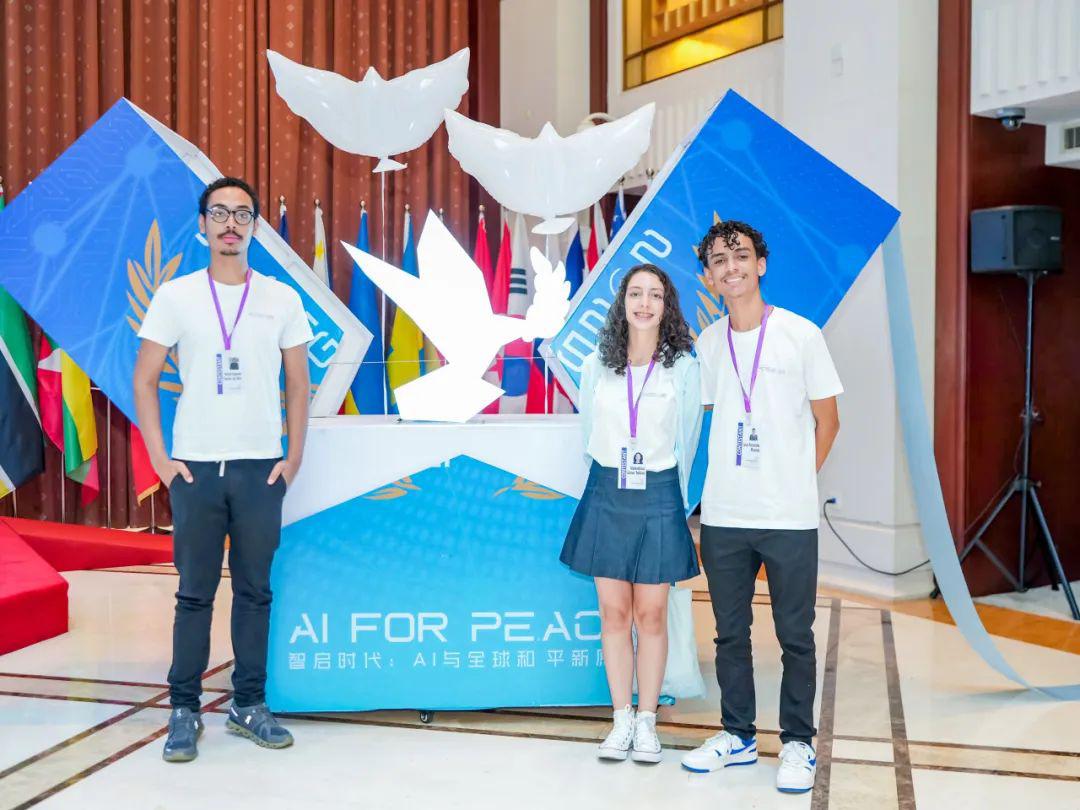
The finals of the 16th Youth Innovation Competition on Global Governance kicked off on July 23 at Fudan University in Shanghai, bringing together nearly 100 participants from 38 countries and regions.
With the theme "AI Governance for Tomorrow: Peace, Trust and Inclusion", this year’s competition emphasized the importance of building a community with a shared future for humanity. It aimed to translate the United Nations Sustainable Development Goal of "peace, justice, and strong institutions" into practical solutions and youth-driven innovations for a new era of global cooperation.
Participants were encouraged to harness the potential of artificial intelligence by developing ethical and effective governance proposals that reflect the values of peace, inclusivity, and trust.
Guided by the Chinese People's Association for Friendship with Foreign Countries, the event was co-hosted by Fudan University and the Shanghai Rong Chang Public Welfare Foundation.
"We encourage participants to see AI as a key force in reshaping global governance. By integrating AI into governance solutions, we can use technology as a digital bridge to overcome divides, foster understanding, and promote peace," said Qiu Xin, Party Secretary of Fudan University, in his opening remarks.
Tshilidzi Marwala, President of the United Nations University, noted in a video address: "Youth voices must be central in developing global solutions. This competition serves as a vibrant call for practical governance innovation."
Albert Cucurull Bachiller from Spain, participating for the second time, said he believes AI can empower a wide range of industries. He looks forward to exploring its potential applications in energy, power, and agriculture with peers from around the world to help promote global peace.
Marijana Asprovska from North Macedonia shared that her academic focus is on the role of generative AI in fostering social equity and educational development. She said the competition provided her with a valuable platform to engage in meaningful discussions with fellow contestants and judges from diverse backgrounds.
A team from Fudan University proposed the creation of an AI-driven peacekeeping technology mechanism within the United Nations framework. Their plan includes establishing a specialized technical department supported by an AI database and a satellite image acquisition network to enhance the efficiency and response capabilities of UN peacekeeping missions.
Since its launch in 2007 by Fudan University and the United Nations Development Programme, YICGG has attracted over 3,200 participants from 110 countries and regions, who have submitted nearly 1,200 governance proposals.