Shanghai residents see income rise amid urban development, environmental gains
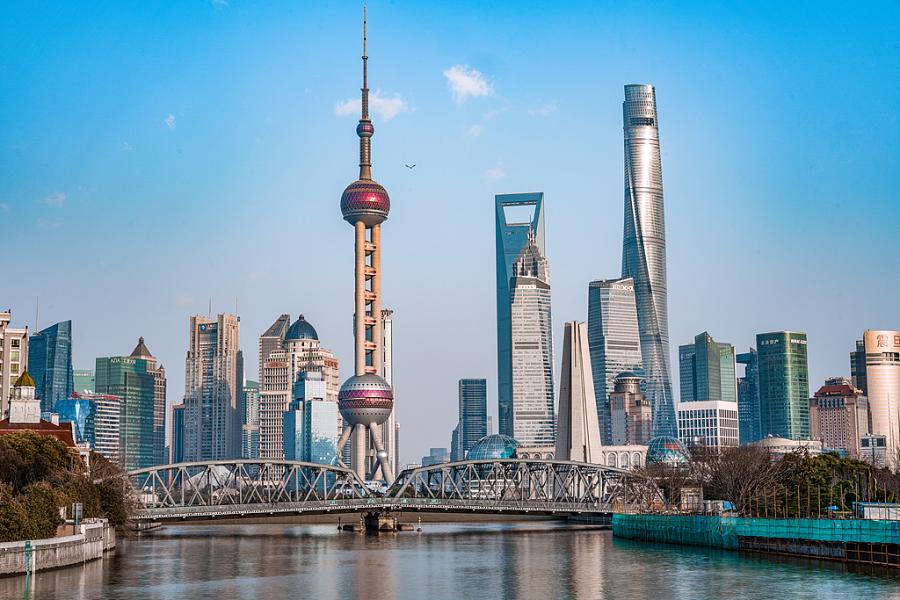
Shanghai residents saw a notable rise in disposable income and continued progress in urban development and environmental protection during the first half of the year, a government report revealed on July 30.
The report detailed a 4.6 percent year-on-year increase in per capita disposable income, reaching 46,805 yuan ($6,506.71).
Issued by the Shanghai Municipal Development and Reform Commission, the report also highlighted a robust job market, with 331,000 new jobs created in the first six months, achieving 55.1 percent of the annual target. The city's surveyed urban unemployment rate averaged 4.2 percent.
At the same time, the consumer price index edged up 0.1 percent, while the core CPI, which excludes food and energy prices, rose by 0.5 percent, indicating relatively stable consumer prices.
Shanghai's urban renewal initiatives gained further momentum. Thirteen urban village renovation projects were launched, and 30,000 square meters of dilapidated old housing in the city center were renovated.
An additional 113,000 square meters of aging residential buildings were upgraded, and 2,038 elevators were installed in existing multi-story residential buildings, improving accessibility for residents.
In terms of housing security, the city built or prepared 42,000 units of government-subsidized rental housing and arranged 19,000 beds in accommodations for urban construction workers.
Efforts to support elderly and child welfare also advanced, with 1,210 elderly care beds added and multiple facilities and community service centers renovated.
Environmental protection remained a priority. PM2.5 concentrations dropped 8.3 percent year-on-year, reaching an average of 31 micrograms per cubic meter, while the air quality index stood at 83.4 percent.
The city also added 40 new parks, surpassing the "thousand parks" goal ahead of schedule, bringing the total number of parks to 1,013.
Looking ahead, Shanghai plans to enhance employment support through measures such as job expansion subsidies and special loan programs.
The city will also accelerate old urban area renovations, promote commercial building upgrades, and continue expanding the supply of affordable housing.
Further environmental enhancements are on the agenda, including the construction of over 100 kilometers of greenways and the addition of 120 new parks by the end of the year.
Source: Shanghai Observer