Pudong streamlines import process for special biomedical items
Shanghai's Pudong New Area is piloting a "joint supervision + facilitated customs clearance" reform to ease the import of special biomedical items, addressing long-standing bottlenecks for the city's fast-growing biopharmaceutical industry.
As of June 2025, the program had completed risk assessments and customs clearance reviews for 27 batches of such items imported or exported by 16 companies.
These special items — including microorganisms, biological products, human tissues, and blood and blood products — carry potential biohazards due to their biological characteristics but are indispensable for biomedical research and production.
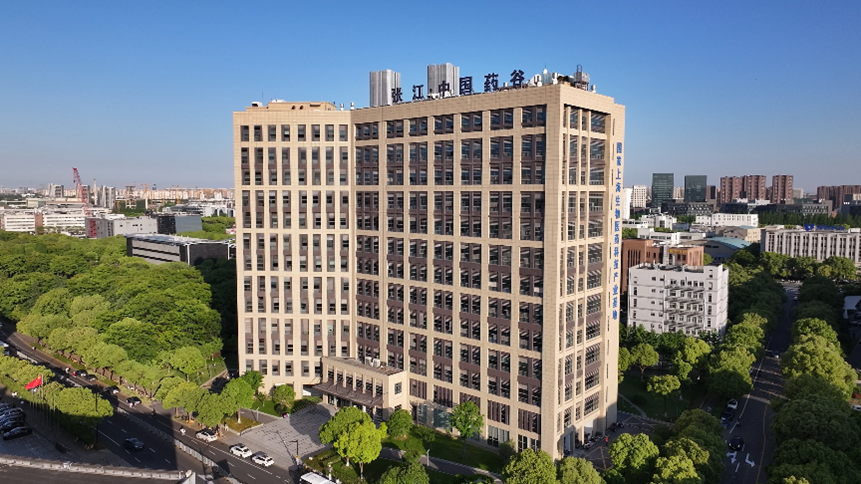
In July 2020, Shanghai Customs and Pudong New Area government jointly launched a pilot program in Zhangjiang Science City to optimize the quarantine process for imported special items. The initiative established a joint supervision mechanism with multi-departmental management covering all key stages: scientific research, production, storage, transportation, sales, waste disposal, and port entry.
This framework created a closed-loop supervision model combining corporate biosafety systems, pre-entry health and epidemic prevention approval, customs inspection at entry, and post-entry multi-departmental regulation.
A "whitelist" mechanism was also introduced, allowing high-credit enterprises to submit an annual plan for the entry and use of special items. Once approved, they could directly import goods in batches according to their confirmed plans.
To further enhance efficiency, Pudong launched an online supervision service platform for special biomedical items, with functions including access approval, daily supervision, emergency response, joint regulation, and enterprise self-reporting — enabling full-process, full-coverage oversight.
In October 2023, the pilot was upgraded from the "whitelist" model to a conditional management framework, allowing all qualified enterprises in Pudong to apply. The scope was broadened to include a wider range of special items, more applicable fields, and expanded material flows.
Participants include R&D outsourcing companies such as Labcorp and WuXi AppTec, as well as foreign-invested entities like Swiss pharmaceutical giant Roche and Germany's Siemens.
According to Accurant Biotech in Shanghai, the program has brought significant convenience to CRO companies, which are highly dependent on international cooperation, by resolving the difficult task of efficiently importing and transferring biomedical materials.
The program is expected to help enterprises in Pudong further enhance their scientific research, accelerate new drug development, and promote clinical transformation, strengthening the city's position in the global biopharmaceutical industry.
Source: Pudong New Area