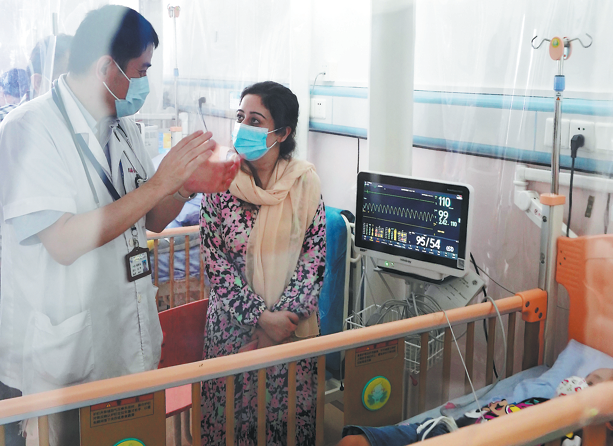
Shanghai visit deepens Sino-Japanese understanding among students
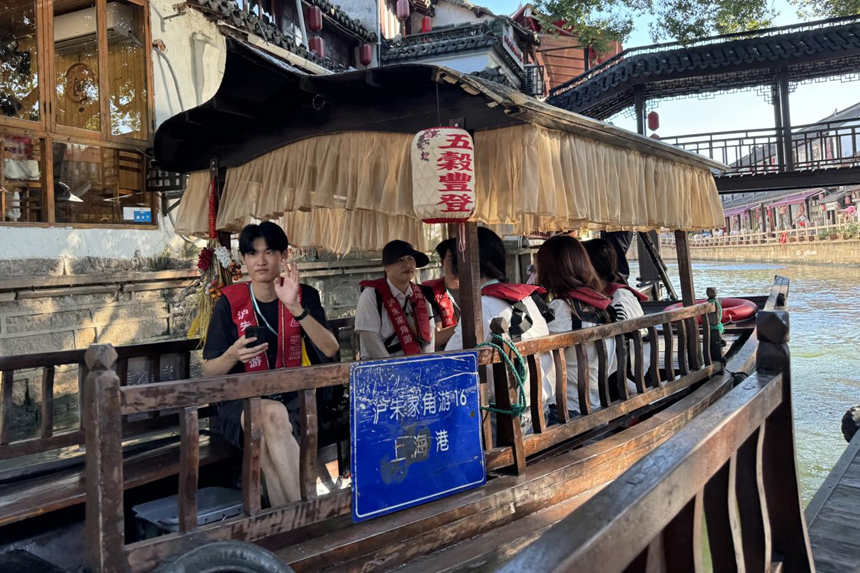
A serene boat ride through the ancient water town of Zhujiajiao offers a glimpse into a side of Shanghai unseen by many.
Cobblestone streets, historic architecture, and the gentle lapping of water create a picturesque scene, a world away from the bustling metropolis most associate with the city.
This tranquil experience was part of a recent visit by a group of Japanese university students to Shanghai's Qingpu district, an area rich in both tradition and innovation.
The event, titled "Hundred Japanese University Students See China - Qingpu Station", kicked off on Aug 29, organized by the Embassy of the People's Republic of China in Japan, Xinmin Evening News, the Information Office of the Qingpu District Government, and livejapan.cn, just ahead of the 53rd anniversary of the normalization of Sino-Japanese relations.
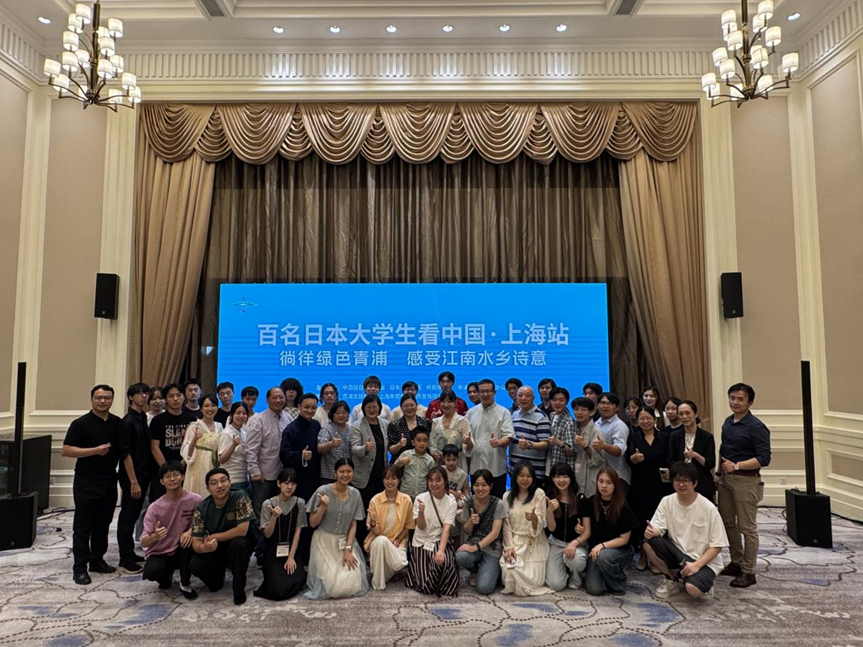
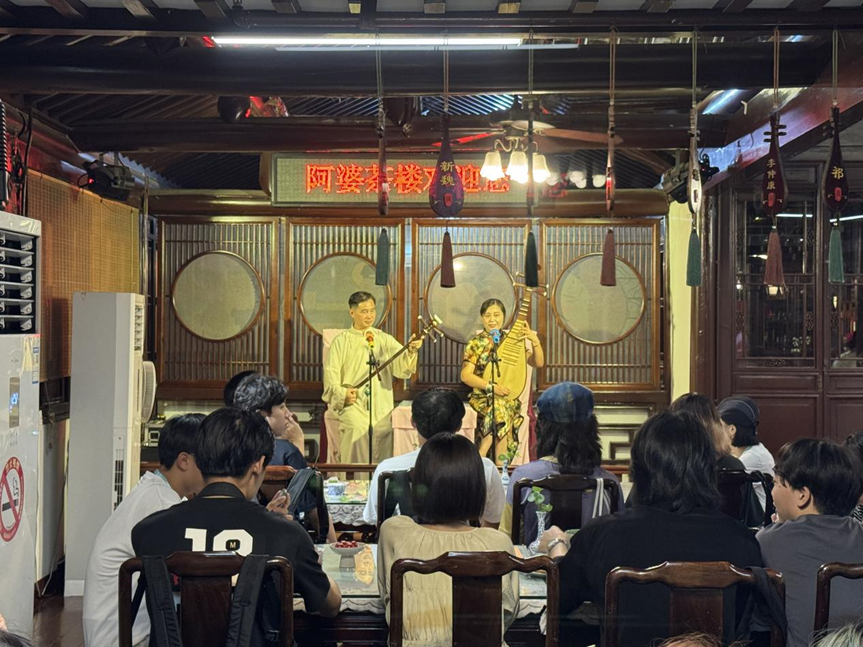
During a welcome reception in Zhujiajiao, the students were immersed in the local culture. They learned to pronounce "Zhujiajiao" in the local dialect, sampled regional delicacies, and were introduced to the area's urban renewal efforts.
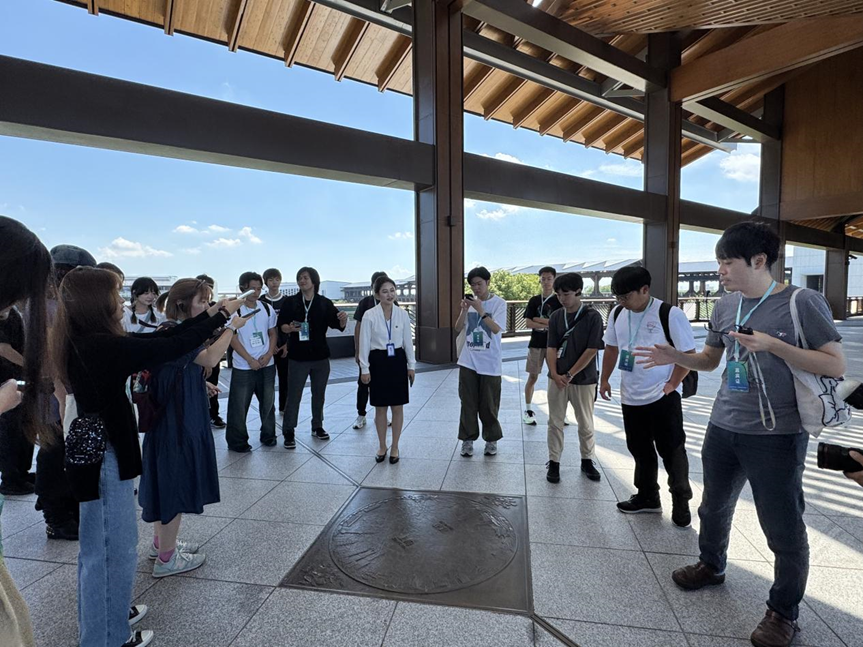
Further enriching their understanding of China, the students later visited Hitachi Elevator (Shanghai) Co Ltd on Aug 30, a company at the forefront of Sino-Japanese economic collaboration, and explored the Square Courtyard Above Water (Fangting Shuiyuan) and Yuandang Lake, integral components of the Green and Integrated Ecological Development Demonstration Zone of the Yangtze River Delta.
"The key to sound relations between countries lies in the amity between their people," remarked Liu Ke, publisher of Xinmin Evening News. Xinmin Evening News has consistently worked to establish platforms for exchange and conversation, contributing to the promotion of friendly Sino-foreign relations.
Liu expressed hope that the "Hundred Japanese University Students See China" initiative would facilitate greater understanding between the two countries, especially among young people, and foster collaboration in the future.
Zhou Siqin, a senior official of the Information Office of the Qingpu District Government, highlighted the long-standing friendship and mutually beneficial cooperation between Qingpu and Japan.
Zhou encouraged the students to share their experiences with others, "to show them a real China, a beautiful Shanghai, and the 'most Jiangnan-style' Qingpu," hoping they would contribute to Sino-Japanese friendship in the years to come.
Qingpu is now home to approximately 190 Japanese-funded enterprises, including industry leaders like Unicharm, Pigeon, and Hitachi Elevator.
The students' exploration of Qingpu continued, as they visited the Square Courtyard Above Water, hailed as the "Origin of the Yangtze River Delta", and enjoyed the breezes at Yuandang Lake.
For these young visitors, Qingpu served not only as a window into China's economic development but also as a hands-on experience in Sino-Japanese technological partnership and cultural integration.
At Hitachi Elevator, the students rode elevators traveling at 10 meters per second to a height of 135 meters, offering panoramic views of Shanghai's skyline. They also experienced cutting-edge technologies such as contactless elevator controls.
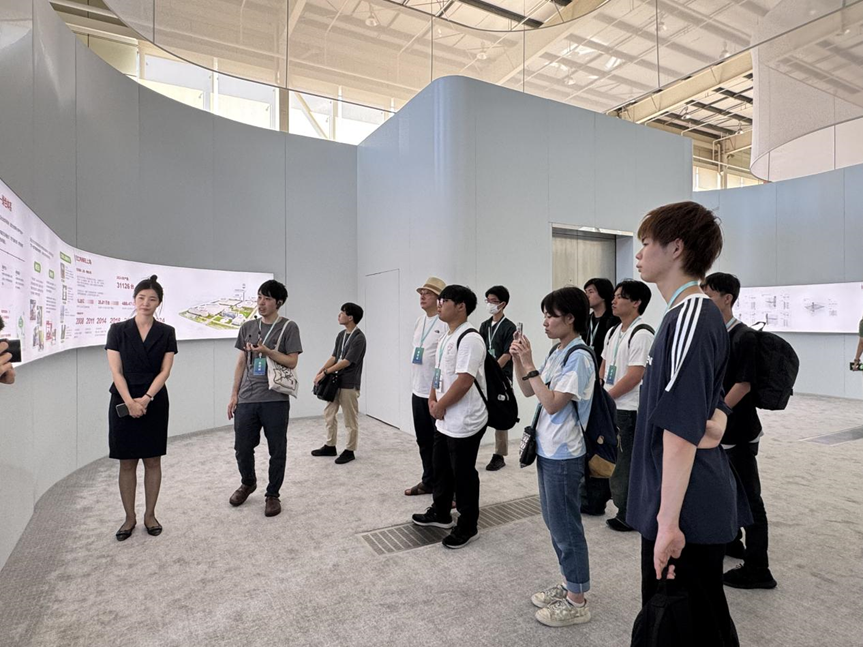
A student from Kobe University of Foreign Studies who had visited Qingpu in February, was surprised to discover that Hitachi, a household name in Japan, had a presence there. "If I have the chance in the future, I would like to work here," the student said.
"Is there an opportunity for Japanese university students to intern here?" "What skills do we need to work here?" The students eagerly posed such questions to Xia Jianjun, chairman of the company's labor union, during a post-visit seminar. Xia responded with a smile, "Coincidentally, our HR department is also here."
Zhou Siqin extended an invitation to the students, introducing Qingpu's talent policies and highlighting the district's key industries, including next-generation information technology, modern logistics, and high-end intelligent manufacturing.
The "Origin of the Yangtze River Delta" left a lasting impression. The site, once poorly managed, has been transformed through integrated development, providing a tangible example of cross-regional cooperation.
At the Shanghai Grand View Garden, based on the classic novel Dream of the Red Chamber, Komazawa University student Mitarai Yuto tried to recall scenes from the novel, which is a must-read classic in China.
Back in Zhujiajiao, Nakayama Rei, a student at Chuo University who lived in Shanghai for nine years due to her father's work, appreciated the chance to experience a quieter side to the city. "The snacks and tea are delicious," Nakayama said. "I ate a lot, and I liked the green bean cake the most."
At the end of the day, Kagaya Futsuki expressed her affection for Zhujiajiao and Qingpu. She planned to share her experiences on social media, hoping to show more people a true picture of China and Shanghai.
Yoshida Ayano, a Chuo University student who was visiting Shanghai for the fourth time, noted, "As university students who are still exploring the world, coming here to see things firsthand helps us develop a better understanding of China."