Shanghai advances waste reduction efforts
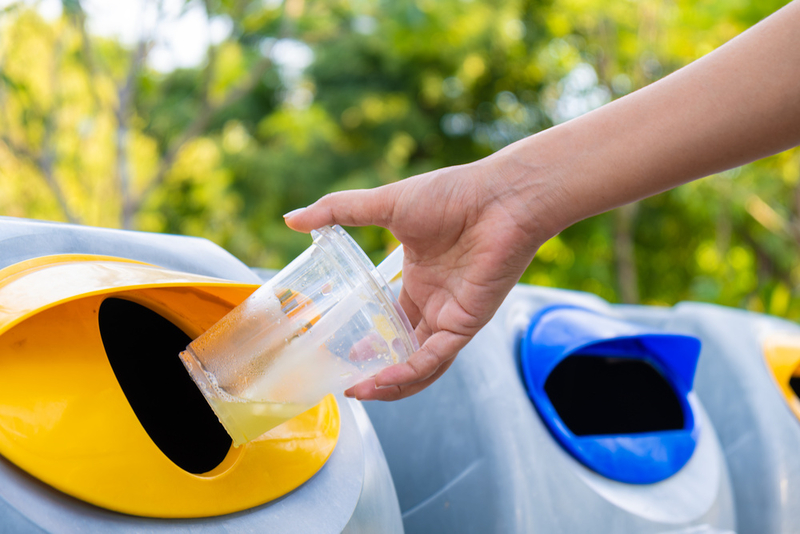
Shanghai has unveiled its 2025 "zero waste" index, scoring 86.96 points, with performance improving steadily each year since 2023.
Waste reduction remains the primary pathway for cities to achieve "zero waste". Shanghai strictly controls the total volume and unit intensity of industrial solid waste generated by key enterprises, while simultaneously advancing industrial restructuring.
By the end of last year, the city had implemented 2,513 industrial restructuring projects, established 196 national-level green factories, 17 national-level green supply chain management enterprises, and eight national-level green industrial parks.
The cleaner production coverage rate of key enterprises in the integrated circuit, pharmaceutical, and chemical industries has exceeded 60 percent.
In the area of domestic waste, 3,276 green restaurants had been established by the end of 2025, while catering businesses are encouraged to adopt bio-based or biodegradable products that meet performance and food safety standards in the takeaway sector.
In recent years, Shanghai has steadily strengthened its waste recycling capacity. By 2024, the overall utilization rate of general industrial solid waste had risen to 97.9 percent.
To date, the city has built and put into operation 32 facilities for the treatment of renovation and demolition waste, with a combined designed annual processing capacity of 12.39 million metric tons, along with 29 large-scale utilization sites for waste concrete, offering a total designed annual utilization capacity of 11 million tons.
To further enhance the utilization of household waste, Shanghai has built 15,000 service points that integrate waste classification and disposal with recyclable waste recycling, 198 transfer stations, 14 collection and distribution sites, and seven additional wet waste utilization projects.
By the end of 2025, the recycling and utilization rate of household waste in Shanghai had reached 45.3 percent, while the overall waste utilization rate stood at 86.8 percent.
For waste that cannot be recycled, Shanghai employs harmless treatment to minimize environmental impact.
In total, 47 licensed operators in the city have an annual hazardous waste disposal capacity of 2.03 million tons and an annual processing capacity of 3.87 million waste packaging containers.
Shanghai's emergency disposal capacity for medical waste has exceeded 2,000 tons per day.
Source: Shanghai Observer


FAQs
- Do I need a physical marriage certificate when applying for a residence permit for private affairs?
- Do I need to declare my ADHD medication to customs during an airside transit at Shanghai Pudong Airport?
- Is Wusongkou International Cruise Terminal an eligible port under the 240-hr visa-free transit policy?
- What are the customs and quarantine requirements for pets entering or leaving China via Shanghai Pudong airport?