Baoshan institute helps launch six companies in one year
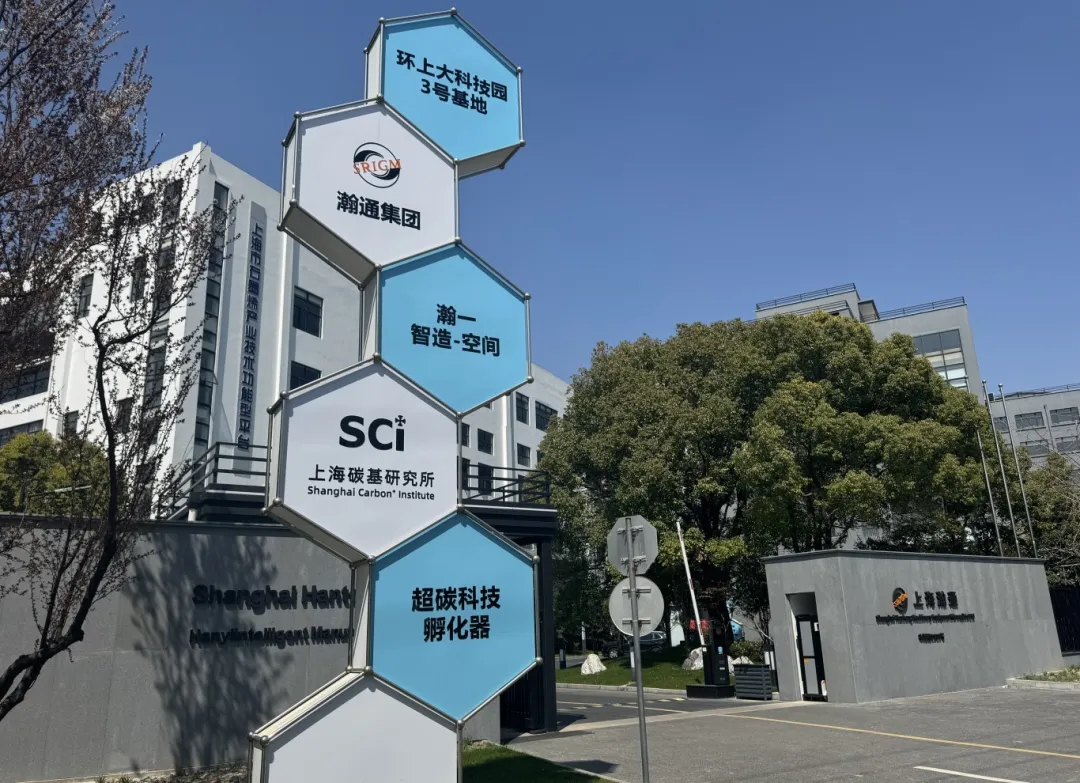
A research institute in Shanghai's Baoshan district has helped turn six projects into companies in its first year of operation.
The Shanghai Guochuang Carbon-Based Nanomaterials Research Institute was established in Baoshan district at the end of 2024 as a new type of research and development institution.
State-owned investors, including the National Innovation Center par Excellence, Shanghai Baoshan High-Tech Industrial Park, and Shanghai Science and Technology Venture Capital Group, collectively hold a 35 percent stake in the institute, while Wang Zhicheng's team holds the remaining 65 percent.
Shanghai has designated the institute as an innovation pilot, transferring the controlling stake in what was originally a wholly State-owned functional platform to a market-oriented team. State-owned investors have provided tens of millions of yuan in funding and other resources to jointly develop the market-oriented platform.
The institute sees itself as an "incubator" and likens its approach to that of a farmer: understanding the characteristics of each "seed", improving the soil, watering and fertilizing it at critical stages of growth, and staying with it through adversity until harvest.
This approach requires four key capabilities: the ability to identify projects with real commercialization potential; the ability to turn basic innovations into marketable products; the ability to provide supporting resources such as funding, equipment and industry resources; and the ability to help projects grow in a professional environment.
In its first year of operation, the institute helped turn six projects into companies, incubated about 10 projects, completed pilot-scale validation for seven or eight products, and generated nearly 6 million yuan (about $886,170) in revenue.
The institute's model is built on two foundations: a clear understanding of the strengths of its materials technologies and a clear sense of what solutions the market needs. When the two match, research results have a real path to commercialization.
When Wang's team was brought in, the institute placed particular value on the international perspective and potential for broader outreach offered by the team's overseas background. It has already begun collaborating on projects with several overseas universities and European research institutions.
Looking ahead, it aims to become a globally leading institution for the commercialization of research outcomes in the carbon-based materials field within the next five to 10 years.
Source: Baoshan district government


FAQs
- Do I need a physical marriage certificate when applying for a residence permit for private affairs?
- Do I need to declare my ADHD medication to customs during an airside transit at Shanghai Pudong Airport?
- Is Wusongkou International Cruise Terminal an eligible port under the 240-hr visa-free transit policy?
- What are the customs and quarantine requirements for pets entering or leaving China via Shanghai Pudong airport?