Shanghai-developed weather early-warning system expands overseas application
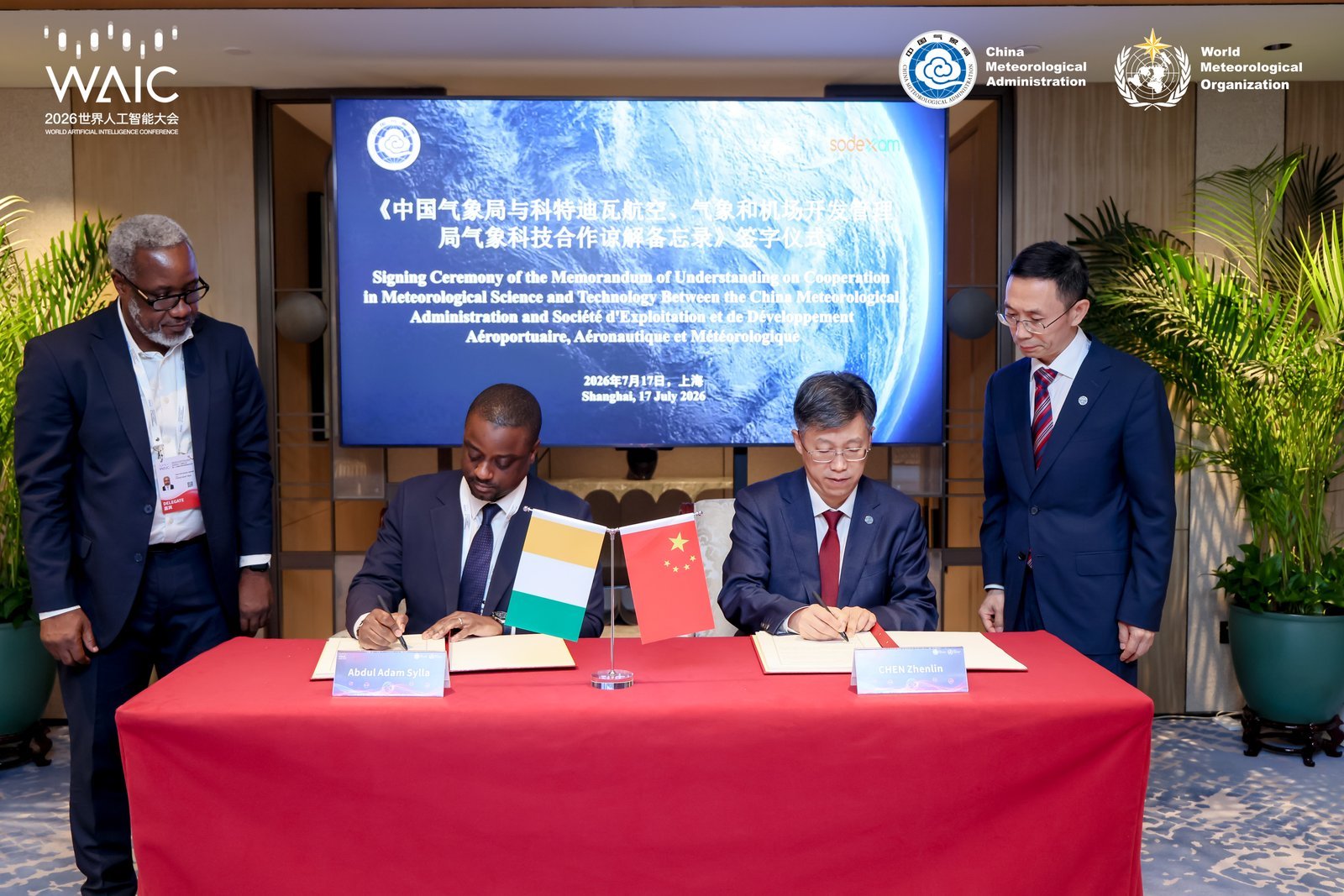
China's AI-powered "MAZU" weather early-warning system has expanded its overseas application with the delivery of an upgraded version to the Republic of Djibouti at the recent World Artificial Intelligence Conference in Shanghai.
Developed with the participation of the Shanghai Meteorological Service, the upgrade is scheduled to enter service by the end of this year.
China announced at the conference that it would support the deployment of MAZU in 30 countries over the next five years.
MAZU was officially released at last year's World Artificial Intelligence Conference. It is the world's first national-level action plan in response to the United Nations' Early Warnings for All initiative.
The solution can also be adapted to the different weather risks and service needs of different countries and regions.
Since its launch, MAZU has been deployed in Pakistan, Ethiopia, the Solomon Islands, Jordan, Sri Lanka, Mongolia, and Djibouti. More than 40 countries have also tested its services through cloud-based platforms.
As part of the MAZU solution, an AI Agent for Urban Multi-Hazard Early Warning developed by the Shanghai Meteorological Service is now used in 35 countries and regions.
The Djibouti 2.0 upgrade adds intelligent monitoring terminals and integrates weather observations, forecasts, and warnings. Its forecast resolution has improved from 9 kilometers to 3 kilometers, with three-day forecasting horizon and updated every six hours.
A highlight of the upgrade is the world's first AI agent for port meteorological early warning in Africa, jointly developed by the Shanghai Meteorological Service and Djibouti.
The agent currently serves the Doraleh Multi-Purpose Port, where operations can be disrupted by hot, dry khamsin winds, sandstorms, and other extreme weather events. It offers localized forecasts for anchorages, main navigation channels, gantry crane areas, and other key operating zones. Warnings can be sent directly to frontline workers, helping port authorities identify safer operating windows and adjust schedules.
Source: Jiefang Daily


FAQs
- Do I need a physical marriage certificate when applying for a residence permit for private affairs?
- Do I need to declare my ADHD medication to customs during an airside transit at Shanghai Pudong Airport?
- Is Wusongkou International Cruise Terminal an eligible port under the 240-hr visa-free transit policy?
- What are the customs and quarantine requirements for pets entering or leaving China via Shanghai Pudong airport?