District transforms into an urban playground
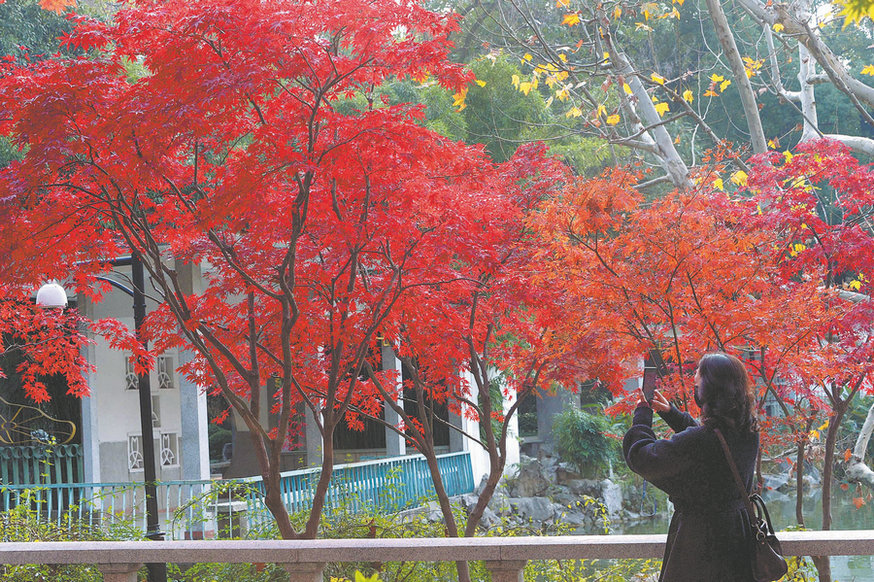
As morning rolls into day, the sound of poetry reading drifts from the garden villas of Sinan Mansions, plane tree leaves dappling the wooden terraces below.
By dusk, spotlights flicker across Taiping Lake in Xintiandi, as models glide down a runway framed by shikumen stone gates.
At nightfall, a giant disco ball casts beams across the treetops of Fuxing Park, and a vintage carousel spins amid neon lights. Within the same plane tree district, a single day unfolds in multiple layers.
Sinan Mansions, Xintiandi and Fuxing Park form a walkable heritage area in central Shanghai, bringing together garden villas, restored shikumen lanes and the historical park.
Now, it is one of the city's most dynamic urban renewal testing grounds. Rather than being sealed off as museum pieces, the old buildings pulse with book clubs, fashion shows, light installations, and after-dark parties.
Within a 10-minute walking radius lies one of Shanghai's most vivid examples of old-meets-new.
Along Fuxing Middle Road, the Sinan Literature House stands as the district's year-round cultural anchor.
In August, Sinan Literature Month unveiled the first Lu Xun Literature Prize winners' special exhibition, with manuscripts and city-themed books by 65 writers on public display inside the old villa. Writers from home and abroad gathered under the plane trees for panel discussions, bringing literature off the page and into the street.
As autumn sets in, Fuxing Art Season, running until Nov 22, is taking center stage.
The Sinan Full Moon Week featured themed markets and moon-shaped art installations, filling the district with the spirit of Mid-Autumn Festival and National Day celebrations.
In late October, century-old cultural brand Duoyunxuan brought three intangible cultural heritage crafts — woodblock watermark printing, bamboo carving and Shoushan stone carving — into heritage houses, moving traditional art from display cases into everyday strolls.
"We don't treat these old houses as relics put on a pedestal. We bring outdoor markets, book clubs and exhibitions right into the streets," says Fan Meichen, deputy general manager of Sinan Mansions.
"People can sit under the plane trees, catch the evening breeze, have a drink, chat, and listen to music."
Sinan Mansions fills old villas with art and literature, and steps away in Xintiandi, fashion takes root in shikumen lanes.
As the main venue for Shanghai Fashion Week, Xintiandi's Taiping Lake has hosted waterfront runway shows every spring and autumn since 2012.
According to the Big Data Laboratory of Consumer Market, offline catering and retail sales across eight major activity zones hit 2.7 billion yuan ($404 million) during the fashion week, up 21.1 percent year-on-year, while inbound tourist traffic rose by 19.6 percent.
Xintiandi Dongtaili, a lane adjacent to the main showground, drew more than 100,000 targeted visitors over four days. Markets, pop-ups and see-now-buy-now events turned fashion week from an industry occasion into a citywide public activity, lifting daily sales by 35 percent.
Beyond fashion week, global brands' China debuts and concept stores cluster year-round — the old shikumen bricks keeping pace with the world's latest consumer rhythms.

FAQs
- Do I need a physical marriage certificate when applying for a residence permit for private affairs?
- Do I need to declare my ADHD medication to customs during an airside transit at Shanghai Pudong Airport?
- Is Wusongkou International Cruise Terminal an eligible port under the 240-hr visa-free transit policy?
- What are the customs and quarantine requirements for pets entering or leaving China via Shanghai Pudong airport?