Shanghai urban renewal plan to improve neighborhood services
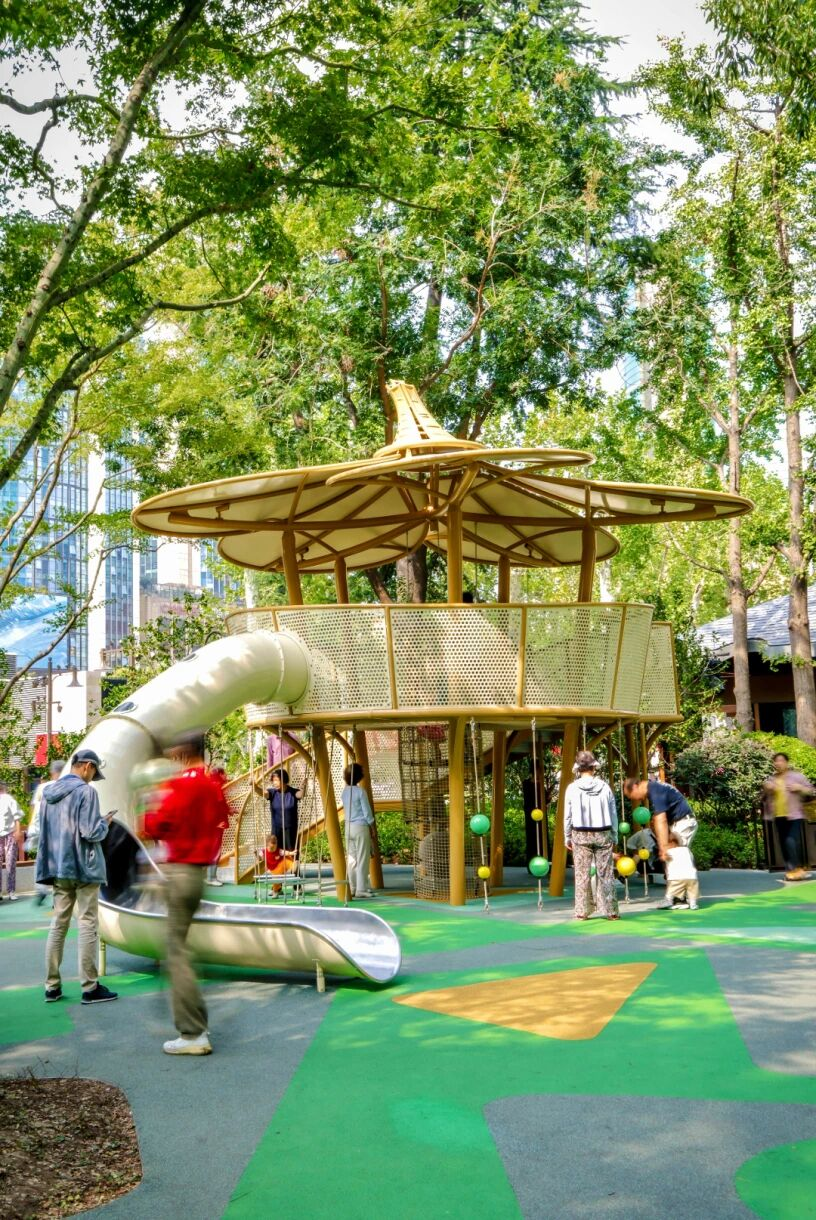
Shanghai will improve its 15-minute community life circles and build more facilities for older adults and children, according to a newly issued urban renewal plan for 2026-28.
According to the plan, the city will renovate about 24 million square meters of aging residential communities and coordinate the development of neighborhood facilities and services.
Shanghai will develop at least 15 more "complete communities" — residential areas with well-equipped public services, convenient commercial facilities, and ample public space within walking distance.
The city aims to achieve 60 percent coverage of such complete communities across the main urban area and five suburban new towns.
According to the plan, Shanghai will add 500 neighborhood eldercare service stations in central urban districts.
The city will upgrade public spaces and facilities to better meet the needs of children, including upgrades to child-friendly sites and waterfront service stations along the Huangpu River and Suzhou Creek. It also plans to create more youth-friendly public spaces and improve barrier-free access.
The city will continue building and renovating public fitness facilities, coordinate the layout of sports and cultural facilities, and expand outdoor spaces for large sports and cultural events. More sports facilities will be added to parks.
The plan sets the targets of building 300 kilometers of additional greenways and 120 new or renovated pocket parks, and opening 60 green spaces affiliated with government bodies, public institutions and enterprises to the public.
Shanghai will undertake 60 pilot projects for water ecological restoration, aiming to enhance the ecological and recreational value of at least 50 percent of rivers and lakes managed at the municipal and district levels.
The city will draw up dedicated urban renewal plans to carry out at least 300 projects in key areas, upgrading buildings and commercial districts, improving functionality, and making better use of existing spaces.
Source: Shanghai Observer


FAQs
- Do I need a physical marriage certificate when applying for a residence permit for private affairs?
- Do I need to declare my ADHD medication to customs during an airside transit at Shanghai Pudong Airport?
- Is Wusongkou International Cruise Terminal an eligible port under the 240-hr visa-free transit policy?
- What are the customs and quarantine requirements for pets entering or leaving China via Shanghai Pudong airport?