Share the beauty of the moon at Mid-Autumn Festival
On the eve of Mid-Autumn Festival, Ming, a Chinese student, is chatting with Anna, an international student in Shanghai.
Ming: Anna, guess what? This year's Mid-Autumn Festival coincides with the National Day holiday, so we get an eight-day break!
Anna: Really? That sounds great! I've always wondered what exactly is Mid-Autumn Festival?
Ming: Mid-Autumn Festival falls on the 15th day of the eighth month of the Chinese calendar. The festival began as a way to worship the Moon Goddess. As early as the Zhou Dynasty (c.11th century-256 BC), emperors held ceremonies to worship the sun in spring and the moon in autumn, showing gratitude for the nourishment they provide. With crisp autumn air and the moon at its fullest and brightest, this gradually developed into today's Mid-Autumn Festival.
Anna: I see. And why do people eat mooncakes during the festival? And what are mooncakes exactly?
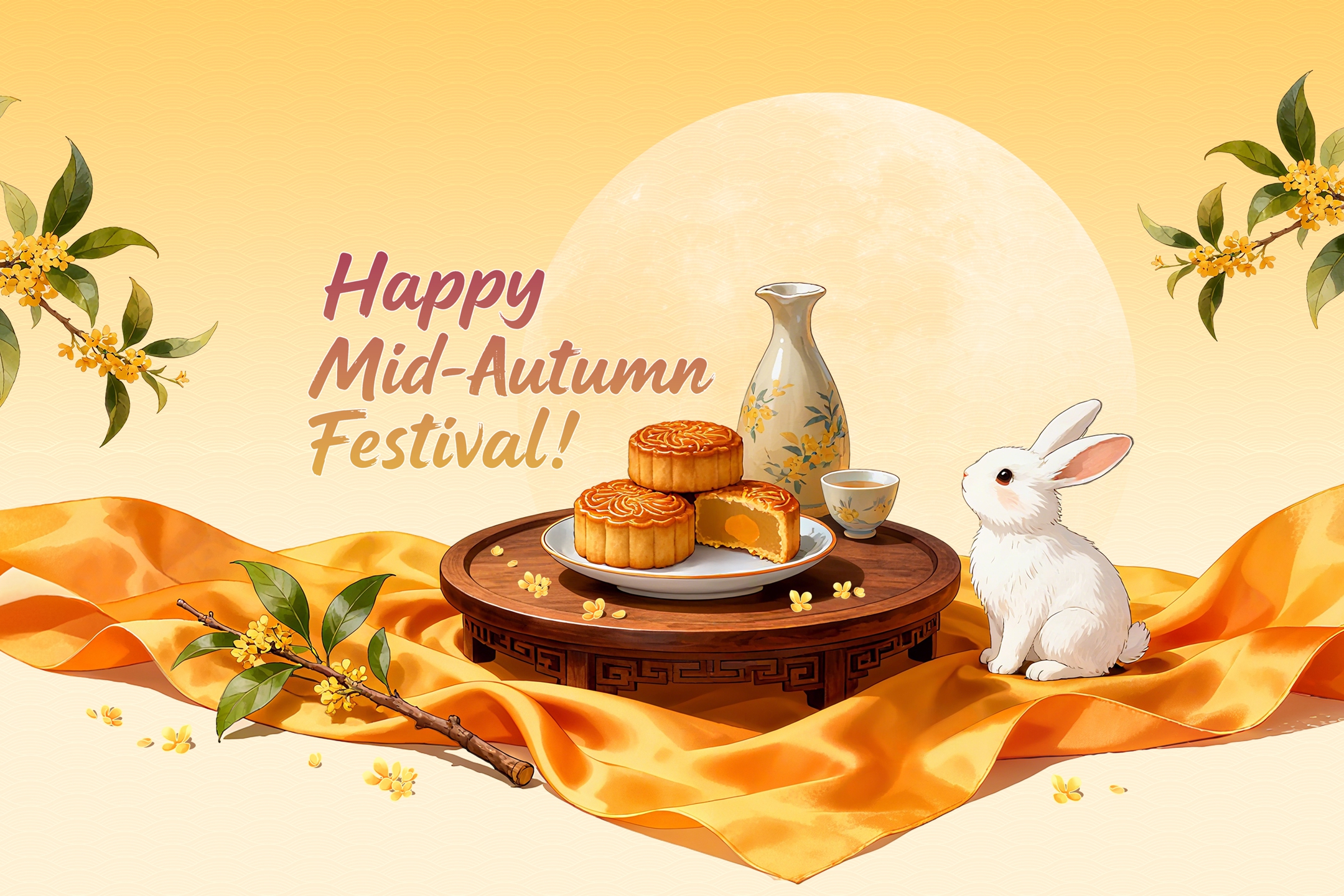
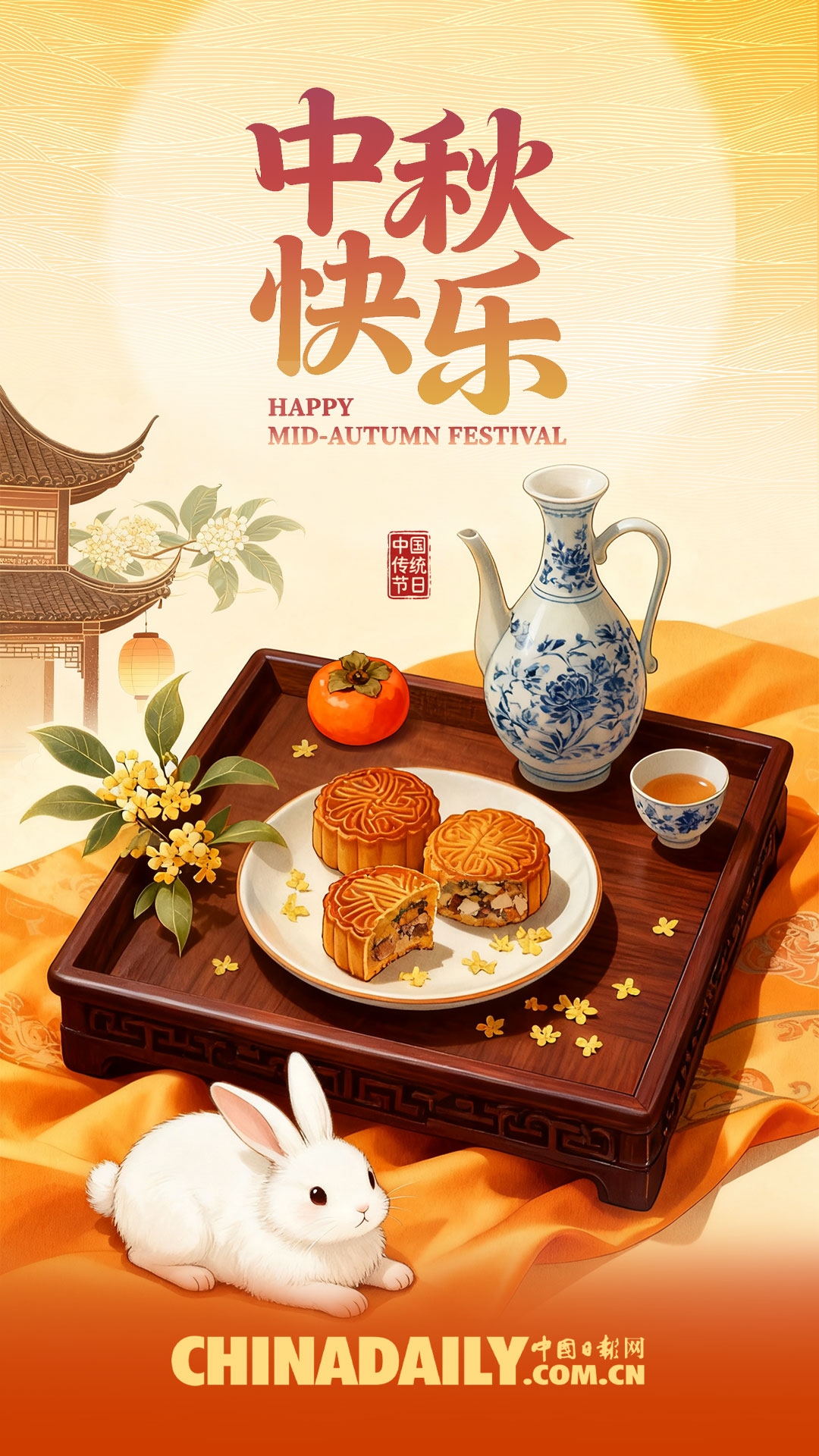
Ming: Mooncakes are a special pastry for Mid-Autumn Festival. Every year, Chinese people admire the full moon and eat mooncakes, which symbolize reunion and happiness. Common fillings include red bean paste, mixed nuts, and even ham and fresh meat. But there's more than mooncakes – people also enjoy osmanthus wine and hairy crab.
Anna: That sounds delicious! Besides the food, are there any interesting stories linked to the festival?
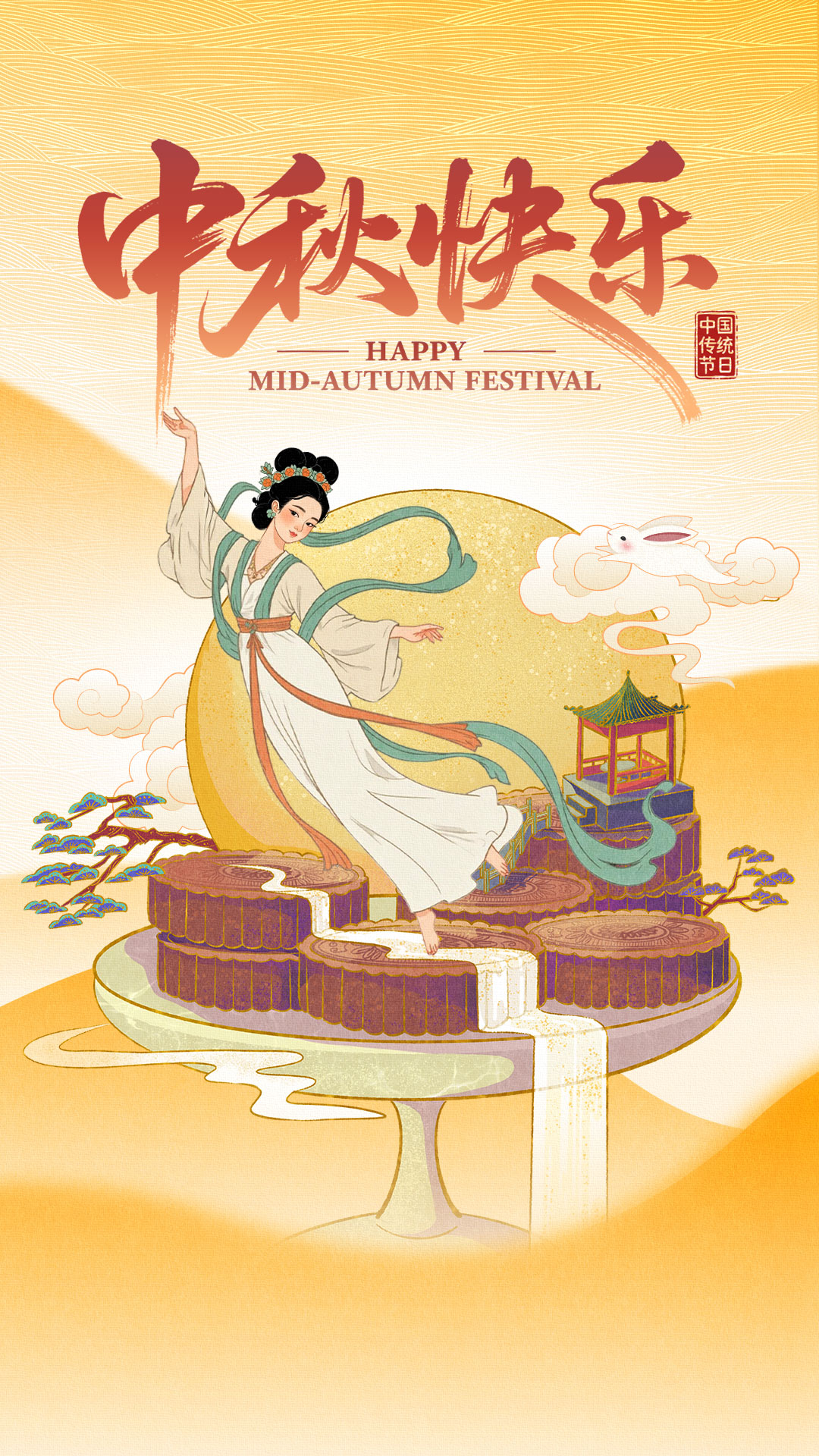
Ming: The most famous is the legend of "Chang'e Flying to the Moon". A fairy named Chang'e, also the Moon Goddess, swallowed an elixir of immortality and then flew to the moon. It's said that she lives there with the Jade Rabbit, who pounds herbs to make the elixir, and a woodcutter named Wu Gang, who is forever chopping down an osmanthus tree as punishment. These legends make the moon mysterious and romantic.
Anna: Fascinating! What kind of activities can people join during the festival?
Ming: You'll find Mid-Autumn themed garden parties held across China. Many universities host cultural activities for international students. They can make mooncakes, craft lanterns, guess lantern riddles, try on hanfu (traditional Chinese attire), join social evenings, and even take part in traditional moon worship ceremonies.
Anna: That sounds amazing! I can't wait to join in.
Ming: By the way, let me teach you two Mid-Autumn greetings: "huā hǎo yuè yuán (花好月圆)" describes perfect bliss and family reunion, and "qiān lǐ gòng chán juān (千里共婵娟)" means that even thousands of miles apart, people can still share the same moon.
Anna: So beautiful! I've also learned "zhōng qiū kuài lè (中秋快乐)" and "tuán tuán yuán yuán (团团圆圆)".
Ming: Perfect! Tonight, let's go to the lawn to admire the moon together. It's said to be the brightest and roundest of the year. For Chinese families, it's a time of reunion and celebration. Since you're in China, why not video call your family and use the Chinese greetings you've learned?
Anna: Good idea. Now I see why Mid-Autumn Festival is so important to Chinese people. It's not just about the beautiful legends, delicious food, and customs, but also about cherishing family and friendship. Next year, I'll send my family a box of mooncakes!
Vocabulary
中秋快乐
zhōng qiū kuài lè
Happy Mid-Autumn Festival
嫦娥奔月
cháng é bēn yuè
Chang'e flying to the moon
赏月
shǎng yuè
admire the moon
团圆
tuán yuán
reunion
月饼
yuè bǐng
mooncake
玉兔
yù tù
Jade Rabbit
桂花酒
guì huā jiǔ
osmanthus wine
五仁月饼
wǔ rén yuè bǐng
mixed nuts filling mooncake
但愿人长久,千里共婵娟。
Dàn yuàn rén chángjiǔ, qiānlǐ gòng chán juān
May we all be blessed with longevity, and though far apart, we share the beauty of the moon together.