Share blessings and good fortune on Chongyang Festival
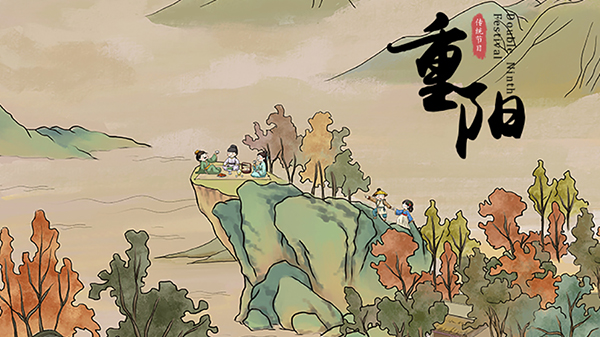
On a sunny autumn day, Chinese student Li and international student Carlos take a stroll across their university lawn, chatting about Chinese traditions.
[Video provided by chinadaily.com.cn]
Li: Carlos, did you know? Today is Chongyang Festival, or Double Ninth Festival!
Carlos: Chongyang Festival? Is it a holiday for family reunions like Mid-Autumn Festival? Why is it also called "Double Ninth"?
Li: It's because the festival falls on the ninth day of the ninth month of the Chinese calendar. In ancient times, Chinese people regarded odd numbers as yang (positive or masculine energy) and even numbers as yin (negative or feminine energy). Moreover, according to the I Ching (Book of Changes), the number nine represents the highest yang energy. Since both the month and the day fall on the ninth, it's called chongyang, meaning double yang. The pronunciation of "double ninth" (jiǔ jiǔ) also resembles the word for "long-lasting" in Chinese.
Carlos: I see. What are the customs of this festival?
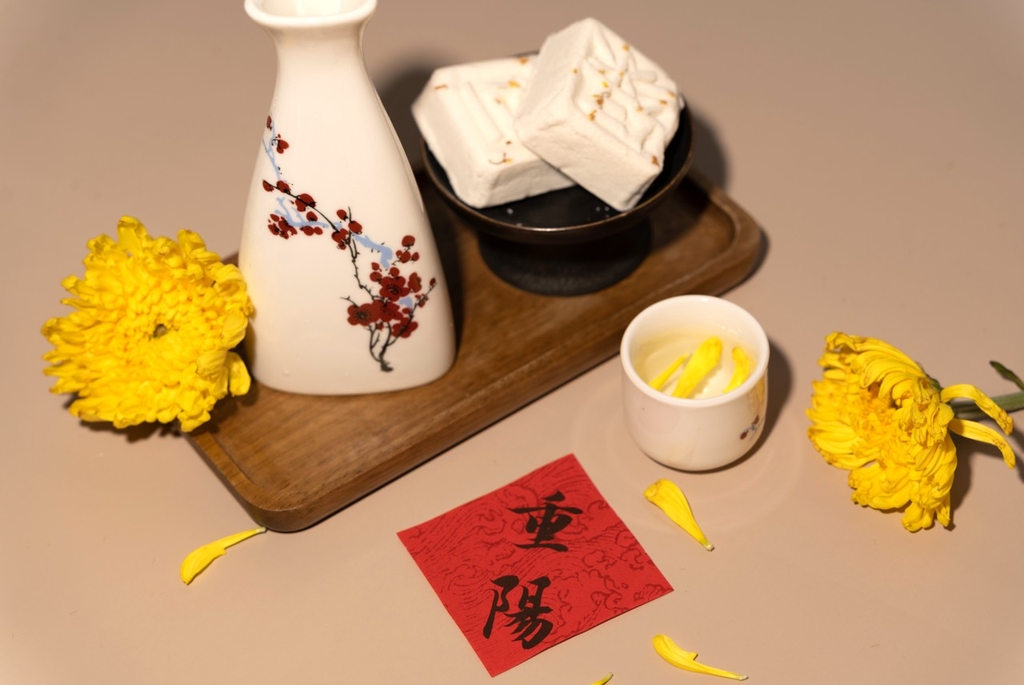
Li: The festival dates back to the Warring States Period (475-221 BC) and was officially recognized as a folk holiday during the Tang Dynasty (618-907). It began as a day to ward off disasters. Legend tells of a priest named Huan Jing who, upon learning of an impending calamity, taught people to make red bags and fill them with cornel, drink chrysanthemum wine, and climb to high ground to escape a plague. These traditions have been passed down to the present day.
Carlos: So, climbing high was for escaping?
Li: Not exactly. Traditionally, people believed that climbing to high places on this day could drive away misfortune and bring peace and longevity. Nowadays, people climb to higher areas mainly for autumn outings and exercise.
Carlos: And what is cornel?
Li: Cornel is an aromatic plant that ancient people believed could ward off evil spirits. Another tradition is admiring chrysanthemums, which are cherished as the flower of longevity and reflect people's beautiful wishes. As one of the four major festivals for traditional ancestor worship, many people also clean family graves and pay respects to their ancestors on this day.
Carlos: What do people eat during the festival?
Li: Chongyang cake is the festival’s signature delicacy. It's a soft, sticky, and sweet dessert made from rice and bean flour, often enhanced with black sesame, red dates, and green-red julienned orange peel, and decorated with colorful little paper flags. The word gāo (cake) sounds like "high" in Chinese, symbolizing progress and elevation. Seasonal delicacies also include hairy crabs and lamb noodle soup. Interestingly, similar traditions exist in other countries. For example, the Japanese eat eggplant and chestnut rice during their autumn celebrations. Look, this is Chongyang cake!
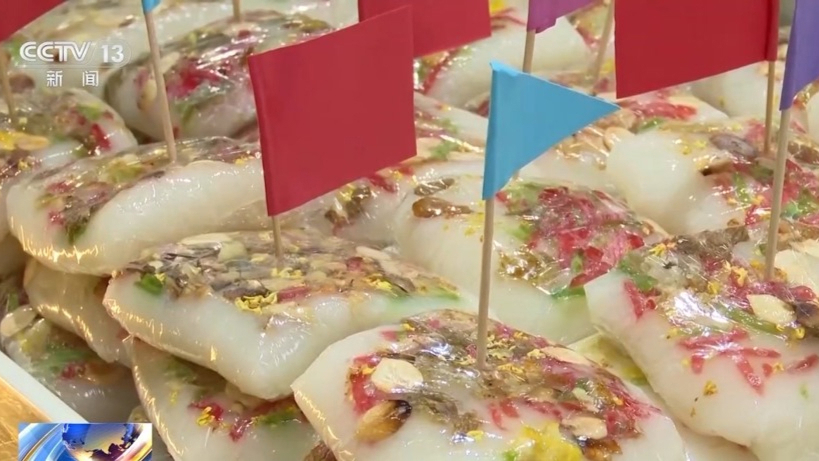
Carlos: That sounds delicious! Why does it have little flags on it?
Li: Those are traditional paper flags, replacing the custom of wearing cornel to pray for blessings. Chongyang Festival is also celebrated as the day for honoring the elderly, showing respect and care while wishing them peace and longevity. On this day, we accompany the seniors to climb high and enjoy Chongyang cake. Remember this blessing: "Happy Chongyang Festival! Wishing you good health and longevity!"
Carlos: I'd also like to learn some expressions related to chrysanthemums!
Li: Of course! Let me teach you a line of poetry: “Cǎi jú dōng lí xià,yōu rán jiàn nán shān。”(采菊东篱下,悠然见南山。) It was written by the famous Eastern Jin Dynasty (317-420) poet Tao Yuanming, expressing a carefree mindset and a love for the tranquil, free rustic life.
Carlos: What beautiful imagery! What can we do on Chongyang Festival?
Li: The university has organized several cultural experiences, such as guiding international students to make cornel sachets and climb the campus observation tower. We also encourage everyone to send warm wishes to our elders back home.
Carlos: Thank you for helping me better understand traditional Chinese culture and the virtue of showing respect and gratitude toward the elderly. I'm going to video call my grandparents to wish them good health and longevity. Next Chongyang Festival, I'll send some Chongyang cake to my family.
Li: That's wonderful! Why don't we go and admire the chrysanthemums together?
Vocabulary
重阳节
chóng yáng jié
Chongyang Festival, Double Ninth Festival
重阳糕
chóng yáng gāo
Chongyang cakes
登高望远
dēng gāo wàng yuǎn
climb high and gaze far
尊老敬老
zūn lǎo jìng lǎo
pay respect and gratitude to the elderly
插茱萸
chā zhū yú
wear cornel
菊花酒
jú huā jiǔ
chrysanthemum wine
赏菊
shǎng jú
admire chrysanthemums
祝您健康长寿!
Zhù nín jiàn kāng cháng shòu!
Wishing you good health and longevity!
遥知兄弟登高处,
遍插茱萸少一人。
Yáo zhī xiōng dì dēng gāo chù,
Biàn chā zhū yú shǎo yī rén。
l know my brothers would,with dogwood spray in hand,
Climb up the mountain and miss me so faraway.
采菊东篱下,悠然见南山。
Cǎi jú dōng lí xià,yōu rán xiàn nán shān。
Picking chrysanthemums by the eastern fence, I leisurely gaze at the southern mountains over the distance.
重阳糕口感软糯,香甜可口,上面插着彩色的小旗。谐音"高",寓意步步高升。
Chóng yáng gāo kǒu gǎn ruǎn nuò,xiāng tián kě kǒu, shàng miàn chā zhe cǎi sè de xiǎo qí。Xié yīn "gāo",yù yì bù bù gāo shēng。
Chongyang cakes have a soft, sticky texture and a sweet and delicious taste. They are decorated with colorful little flags. Its name is a homophone for "high," symbolizing progress and elevation.
重阳节,又称重九节、茱萸节、登高节、敬老节,是中国庆祝丰收、祈福长寿,表达对老人尊敬与爱护的节日,时间在每年的农历九月初九。
Chóng yáng jié,yòu chēng zhòng jiǔ jié、zhū yú jié、dēng gāo jié、jìng lǎo jié,shì zhōng guó qìng zhù fēng shōu、qí fú cháng shòu,biǎo dá duì lǎo rén zūn jìng yǔ ài hù de jié rì,shí jiān zài měi nián de nóng lì jiǔ yuè chū jiǔ。
Chongyang Festival, also known as Double Ninth Festival, cornel festival, climbing high festival, or the seniors' day, is a traditional Chinese celebration held on the ninth day of the ninth month of the Chinese calendar. It embodies themes of harvesting blessings, praying for longevity, and expressing respect and care for the elderly.