Crafting Chinese culture
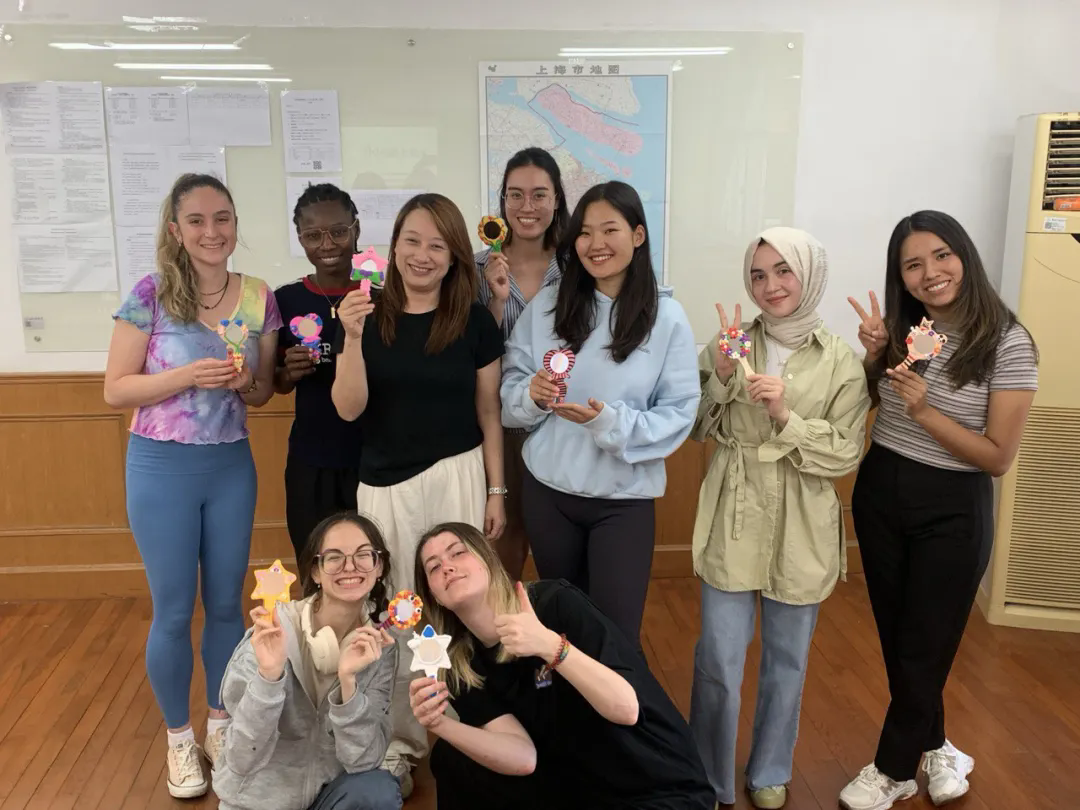
A group of international students completed the third edition of the Cross-Cultural Training Camp, jointly organized by Shanghai International Studies University and Quyang Sub-district.
The camp provided a platform to help students improve their Chinese language skills while offering them opportunities to explore Chinese culture through hands-on craft experiences, fostering meaningful cross-cultural exchanges.
Guided by skilled instructors, students immersed themselves in workshops that combined Chinese aesthetics with creative practice. Many said they have gained valuable insights and experiences from the program.
Several participants shared their reflections on this inspiring journey.
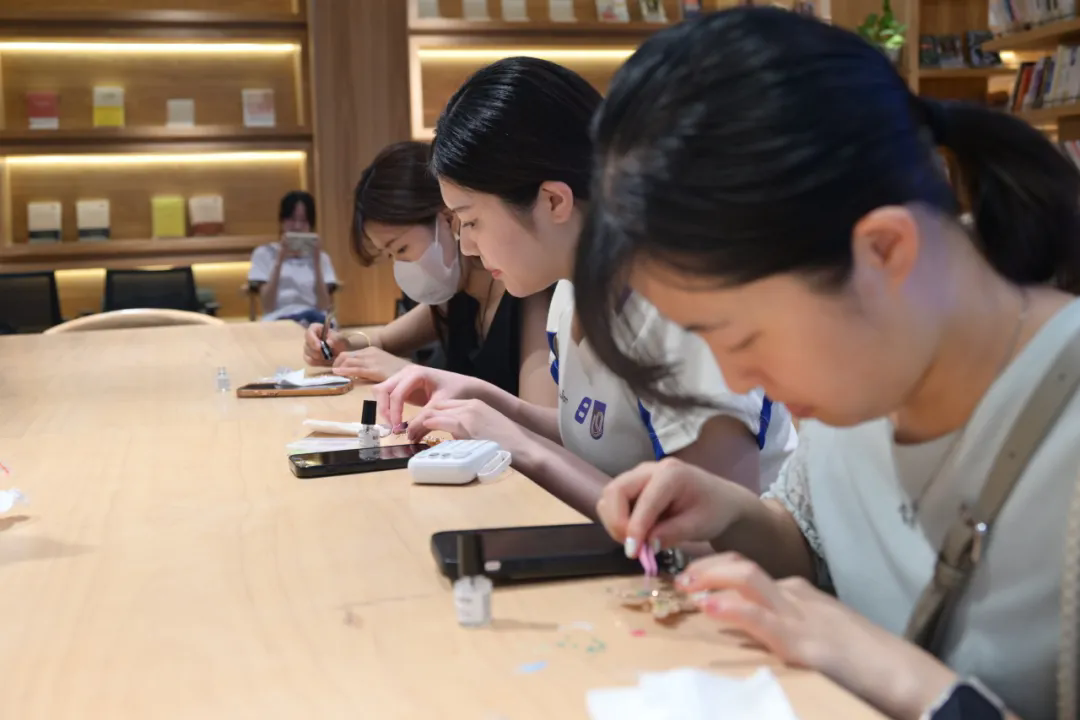
For Aleriia Gogulan from Russia, the program was more than just a course. It became a weekly retreat that reignited her love for beauty and creativity.
She said that every session was fascinating, with each lesson bringing a new challenge and surprise. Looking around the room, she often saw classmates fully absorbed in their creations, with exquisite handmade pieces spread across the desks.
Aleriia fondly recalled her teacher, whose expertise, warmth, and patience left a lasting impression. The teacher encouraged everyone to share ideas and create freely, making the classroom lively and welcoming, she said.
As class monitor, Aleriia witnessed everyone's dedication. Despite busy schedules, students always found time for the workshops. Each person expressed a unique style and drew inspiration from one another through their creations.
Another student from Russia, Ralina Garaeva, said that the handicraft class was a rare respite from academic pressure.
Though nervous at first, she quickly adapted to the class thanks to the teacher's friendliness and the lively classroom atmosphere. Participants came from all over the world with varying levels of Chinese proficiency, but communication flowed smoothly.
She reflected on her first work, saying that a butterfly-style brooch made from small stones required much patience to her satisfaction. The pride she felt made the effort worthwhile, and she wore it throughout her exams. Her favorite creation was a DIY mirror, decorated with seashells and tiny stars that fully displayed her ingenuity.
What impressed her most was the convivial class atmosphere. During breaks, the teacher chatted freely with the students, while classmates shared traditions from their homelands. A student from the United States demonstrated how to make greeting cards, and a student from Mongolia showed how to make paper horses.
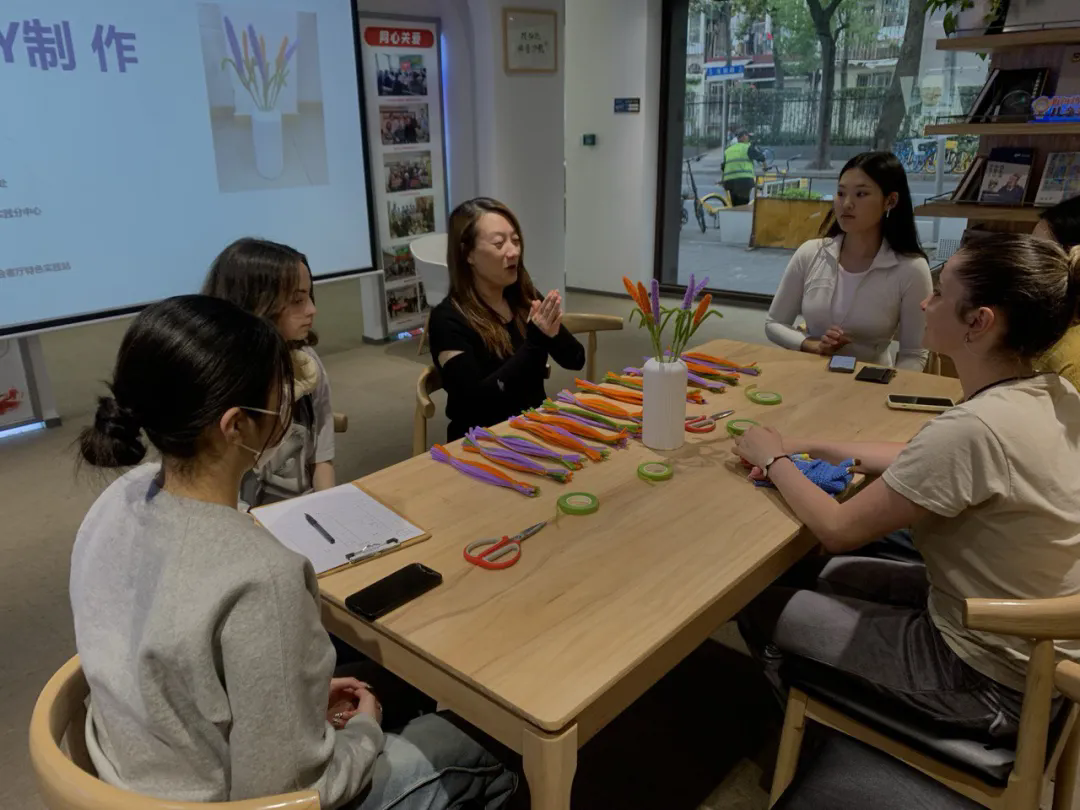
For Melek Genel from Turkiye, the five-week workshop was a fresh and delightful way to explore Chinese culture through hands-on creativity. She crafted a wooden mirror frame, adorned it with sculpted clay flowers, and made natural lip balm. Though she struggled at first, she gradually mastered the techniques under the teacher’s guidance. She felt a great sense of joy upon completing the project.
The lip balm session was equally engaging. Using beeswax and essential oils, students carefully measured and mixed the raw materials to make their own custom balms. The lip balms they made were natural and healthy, perfect for personal use or as gifts, she said.
Melek realized that cultural heritage isn't confined to textbooks. Through hands-on experiences, she gained a glimpse of the true spirit of craftsmanship.
Another student, Mariam Benazir Adamou Baba from Cameroon said the class revealed the cultural richness embedded in handicrafts.
The sessions were supposed to last an hour, but they often lost track of time because once they started creating, they couldn’t stop, she said.
She participated in six different sessions: mother-of-pearl inlay brooches, twisted-stem flower bouquets, woven grass hats, DIY lip balm, wooden mirror decoration, and twisty bars.
To her, the pieces were more than just crafts. They marked the milestones of her growth. She was surprised to discover that she could breathe new life into materials with her own hands. Each piece carried her innovation and passion.
The experience inspired her to maintain eagerness for life and continue exploring the wonders of handmade art, she added.
More than art workshop series, the training camp became a bridge for cultural exchange. As students returned home, they carried not only their handmade treasures but also a deeper appreciation for the artistry and philosophy embedded in Chinese culture.
Source: Official WeChat account of SISU Office of International Student Affairs at "Study_in_SISU"