Shanghai sees strong growth in inbound tourism
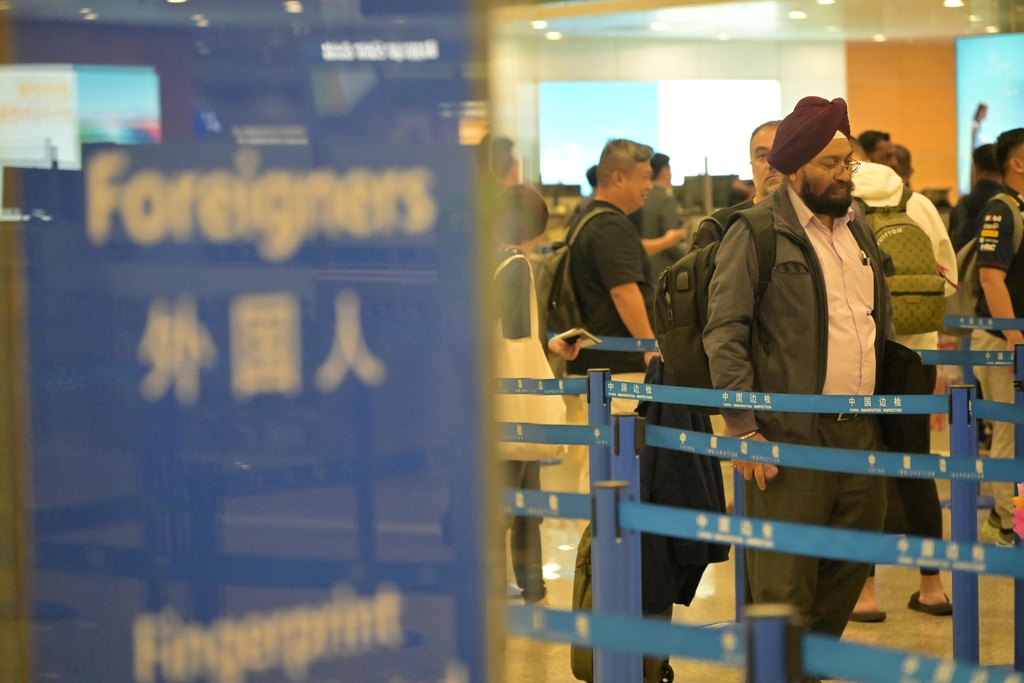
Shanghai has witnessed a significant increase in inbound tourism, with the city receiving more than 4.15 million inbound visits in the first half of this year, representing 37.6 percent year-on-year growth, the Shanghai Municipal Administration of Culture and Tourism said on July 22.
Approximately 3.12 million of these visits were made by foreign tourists, representing a 53.3 percent increase and underscoring the growing appeal of China as a travel destination.
According to the administration, the number of visitors from China's neighbors, including South Korea, Thailand and Japan, also increased significantly. In the first half of the year, Shanghai welcomed around 424,000 tourist visits from South Korea, 254,000 from Thailand and 291,000 from Japan, representing substantial increases of roughly 130 percent, 140 percent and 59 percent, respectively.
There were also notable increases in the number of visitors coming from Singapore, Malaysia and Indonesia, with around 147,000, 201,000 and 115,000 inbound tourist visits respectively, representing growth rates of about 39 percent, 44 percent and 64 percent, respectively.
Regarding the medium to long-haul markets, there was significant growth in the number of tourists coming from the United States, Russia and Australia, with around 248,000, 153,000 and 113,000 visits, respectively.
Foreign tourism professionals in Shanghai have noted that China's streamlined visa policies, along with improved payment systems, multilingual support, and traveler-friendly environments, are enhancing the appeal of China as a destination.
A study by the Shanghai Youth and Children Research Center indicated a growing proportion of young people among inbound tourists. It found that in the first five months of the year, individuals born in the 1990s and 2000s accounted for more than 40 percent of inbound visitors to China.
The study showed that Southeast Asian youth were interested in beauty and fashion consumption, Western youth favored hands-on experiences in traditional heritage, Japanese and Korean youth enjoyed anime merchandise and ACG (animation, comics, and games) culture, while those from the Middle East leaned toward traditional Chinese cultural products and electronics.


FAQs
- Do I need a physical marriage certificate when applying for a residence permit for private affairs?
- Do I need to declare my ADHD medication to customs during an airside transit at Shanghai Pudong Airport?
- Is Wusongkou International Cruise Terminal an eligible port under the 240-hr visa-free transit policy?
- What are the customs and quarantine requirements for pets entering or leaving China via Shanghai Pudong airport?