Railway hubs get medical boost
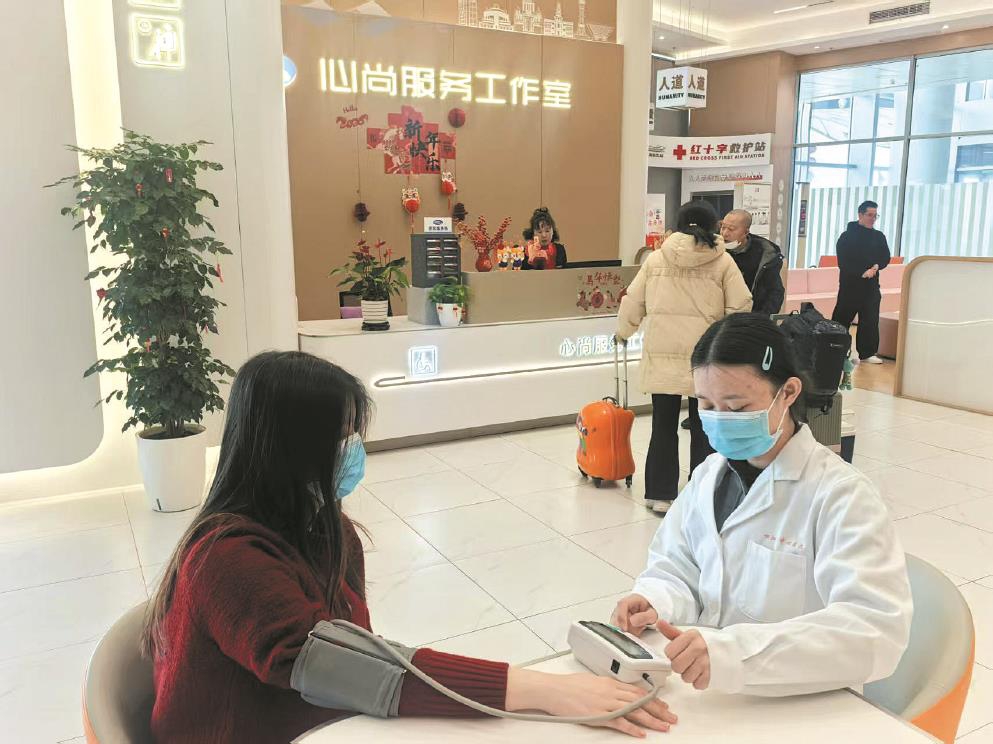
A medical emergency unfolded at Shanghai Railway Station on the afternoon of Feb 7, when a passenger surnamed Sun collapsed and suffered convulsions moments before boarding a train.
Medical staff from the station's health post arrived within three minutes, diagnosing an epileptic seizure. They quickly transferred the passenger through a green channel for treatment, and his vital signs soon stabilized.
Sun's swift rescue underscores Shanghai's upgraded medical services at railway stations. To better safeguard passengers, the city has established permanent medical service points at its major railway stations.
Shanghai Railway Station and Shanghai South Railway Station now house standardized medical clinics, while Hongqiao Railway Station and Songjiang Railway Station have increased medical staffing.
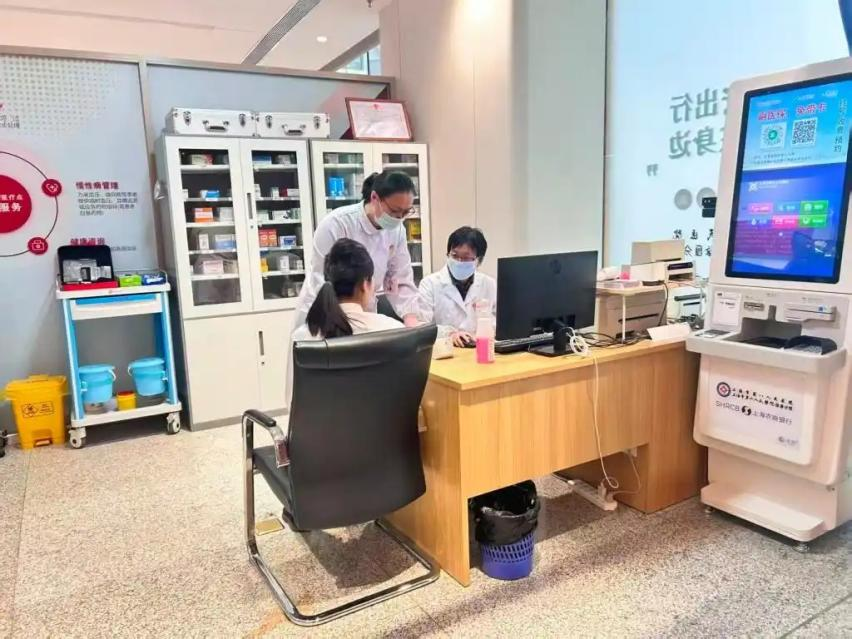
The health service point at Shanghai South Railway Station, operated by Shanghai 8th People's Hospital, is the first of its kind nationwide to offer direct health insurance settlement while dispensing essential medications on-site.
The medical station is equipped to address common ailments such as cold and fever, monitor chronic conditions, deliver emergency treatment, and provide health consultations.
Travelers may use self-service terminals for registration, payment, medication dispensing, and electrocardiogram (ECG) testing.
Since the start of the Spring Festival travel period, medical service points at the city's major railway stations have assisted nearly 800 passengers and completed 44 emergency transfers.
The Shanghai Municipal Commission of Health said it will further enhance coordination by requiring medical institutions to adjust service hours, optimize staffing, and ensure a sufficient supply of medications and emergency equipment, thereby reinforcing medical support throughout the holiday travel season.
Source: Wenhui Daily