Six things you may not know about Summer Solstice
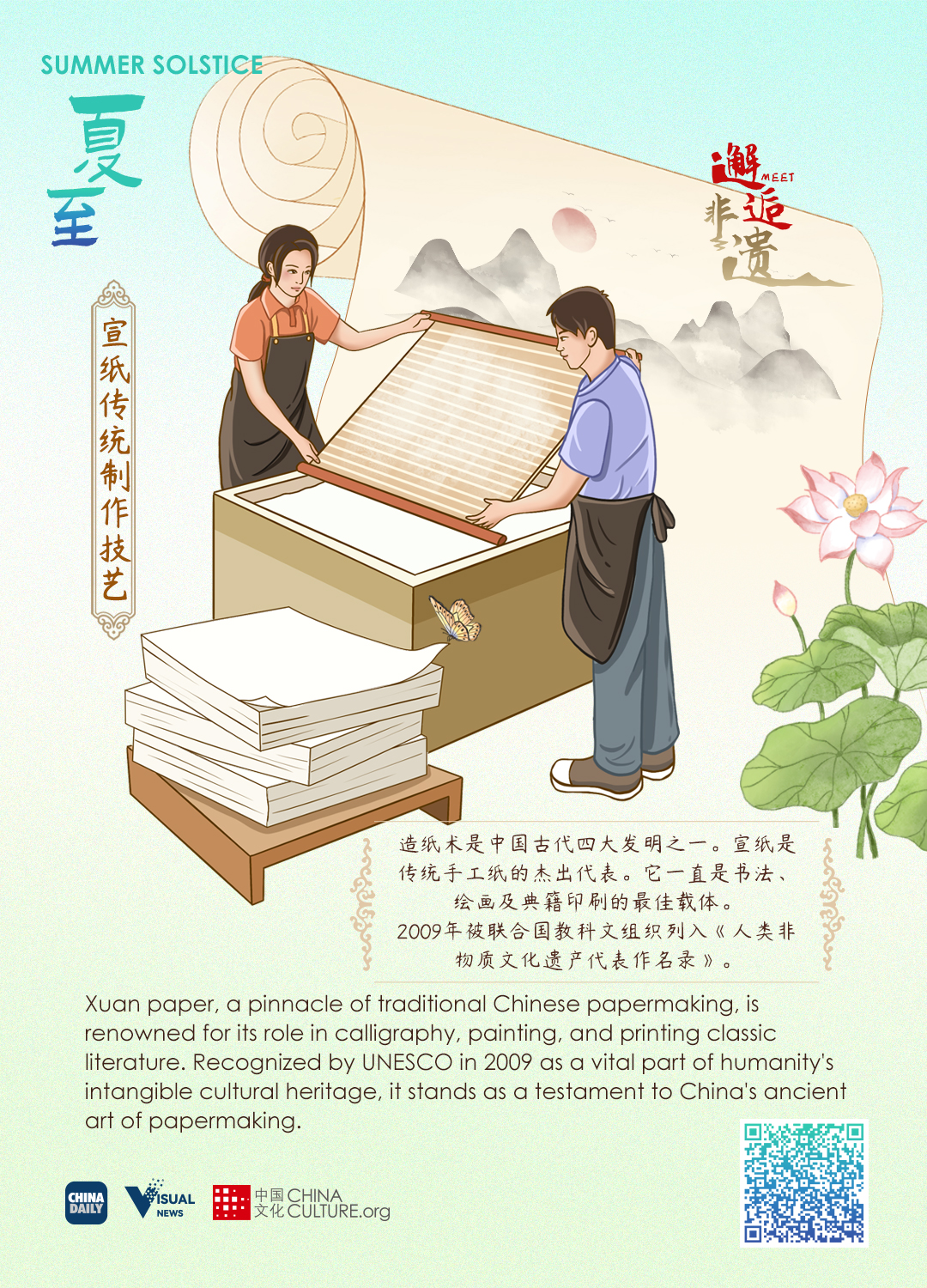
The traditional Chinese solar calendar divides the year into "24 solar terms". Summer Solstice (xia zhi), the 10th solar term of the year, begins on June 21 this year and ends on July 6.
At this time, much of the northern hemisphere receives the longest hours of daylight, but it does not bring the hottest temperatures, which will come only 20 to 30 days later.
In China, the "24 solar terms" were developed thousands of years ago to guide agricultural production. But solar term culture is still useful today to guide people's lives through eating special foods, performing cultural ceremonies and even healthy living tips that correspond with each solar term.
The following are six things you might not know about the Summer Solstice.
The longest day of the year

Summer Solstice is the longest day of the year in the northern hemisphere. After this day, daylight hours get shorter and temperatures continue to rise in the northern hemisphere.
How long is the longest day in China? According to expert Yan Jiarong, the entire day in Mohe, Heilongjiang province — China’s northernmost city — lasts nearly 17 hours when dawn, twilight and afterglow are included.
A public holiday in ancient times
Summer Solstice was an important festival in ancient China. As early as the Han Dynasty (260BC-220), when the Mid-Autumn Festival and the Double Ninth Festival were not as important as they are today, the Summer Solstice was already celebrated.
Before the Qing Dynasty (1644-1911), people even had a one-day holiday on Summer Solstice. According to Song Dynasty (960-1279) records, officials could have three days off during the Summer Solstice.
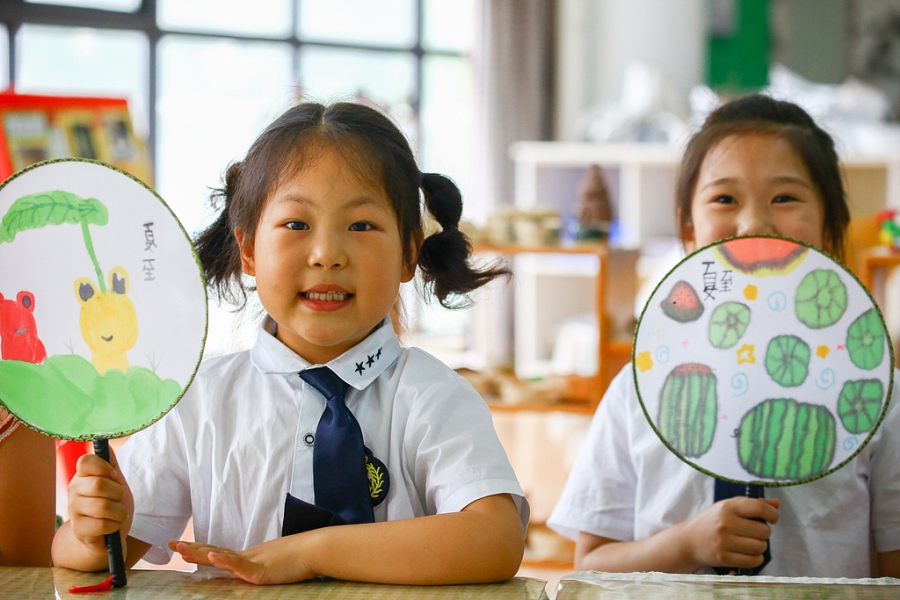
To celebrate the Summer Solstice, women gave colored fans and sachets to each other. The fans helped them cool down and the sachets drove away mosquitoes and made them smell sweet.
Watching the sun "turn around"
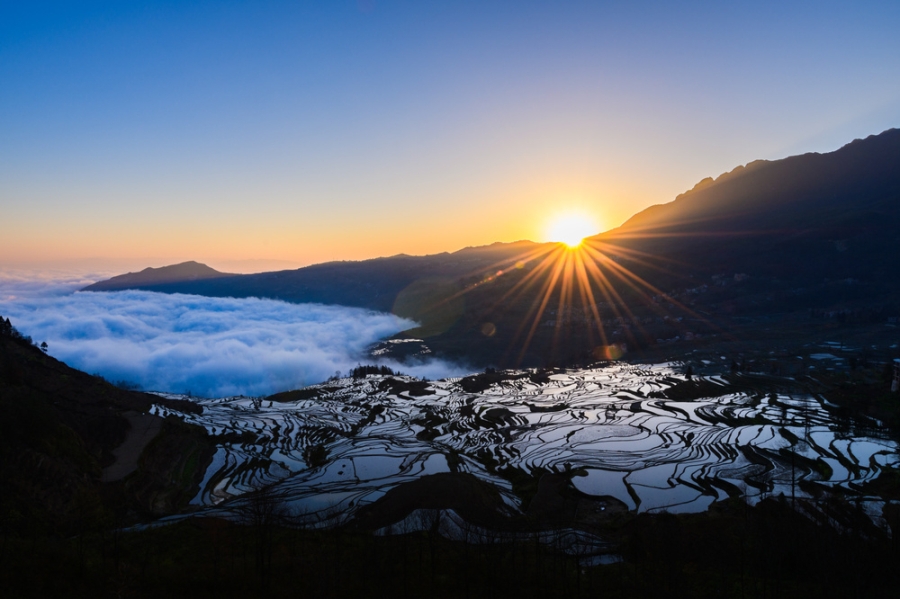
Mojiang Hani autonomous county, Southwest China's Yunnan province, is located on the northern tropic. Every year on the Summer Solstice, the sun sits directly over the Tropic of Cancer and returns from north to south. Then, the amazing phenomenon known as "upright pole with no shadows" occurs.
The Hani people revere the sun and have always had a close bond with it. They welcome the turn-around of the sun and offer sacrifices to it.
Eating noodles
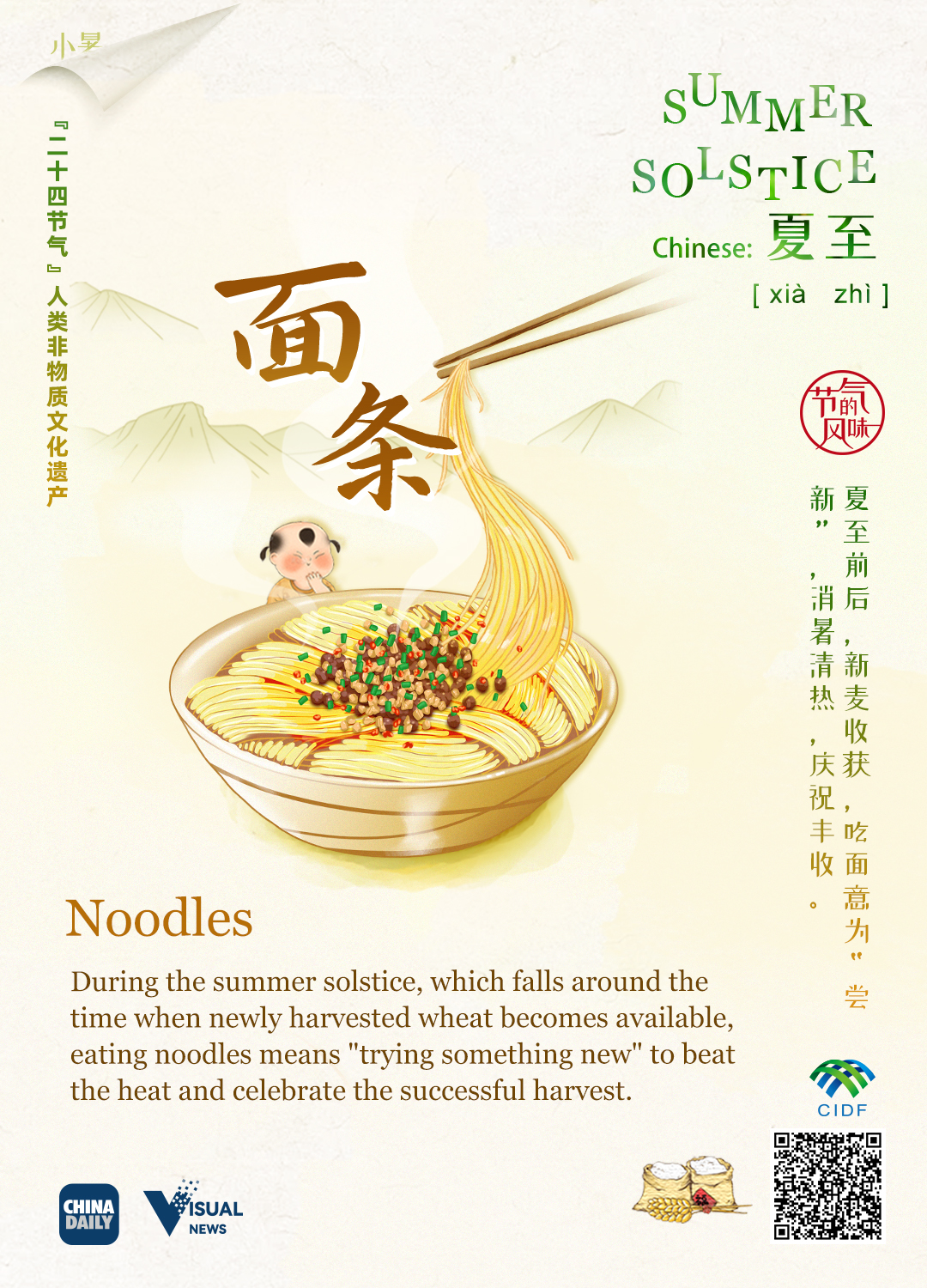
There is a saying in Shandong province which goes, "eat dumplings on the Winter Solstice and eat noodles on the Summer Solstice". People in different areas of Shandong province eat chilled noodles on this day. Other people around China, including those in Beijing, also have a tradition of eating noodles.
Dragon boat racing in Zhejiang

Due to the local climate, Dragon boat races have been held on the Summer Solstice in Shaoxing, Zhejiang province rather than on the Dragon Boat Festival since the Ming (1368-1644) and Qing (1644-1911) dynasties. This tradition is still in practice today, with all the attendant excitement.
Summer Solstice idiom
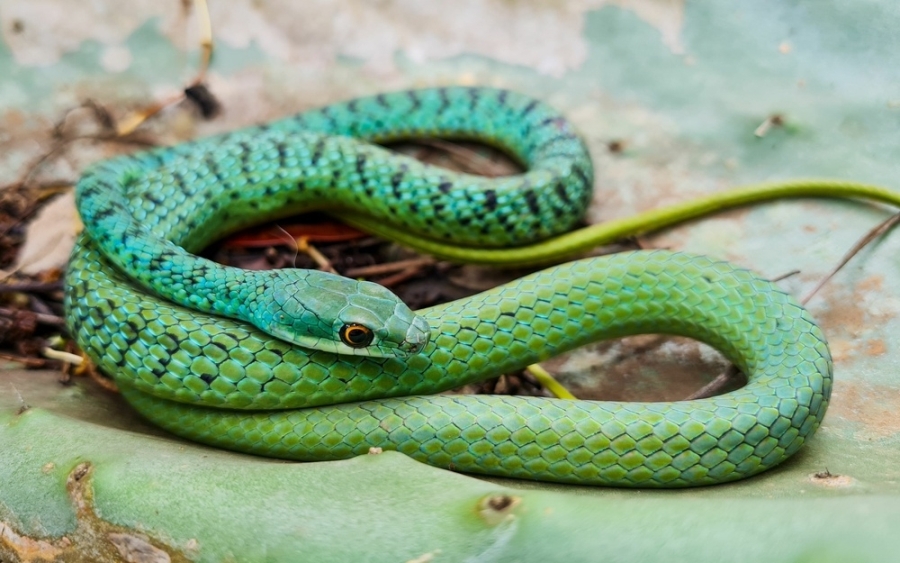
In Chinese, an idiom "杯弓蛇影" is related to Summer Solstice.
According to the records of Fengsutong (a book about Chinese customs), written by Ying Shao during the Eastern Han Dynasty (AD25-220), a man named Du Xuan attended a banquet on the Summer Solstice. There, he mistook the shadow of a bow in his cup for a snake and had to drink it out of fear.
After the banquet, he felt chest pains and a bellyache and couldn't recover even after seeing many doctors. Finally, he found he had mistaken the shadow of a red crossbow on the wall for a snake in his cup and recovered. Later, people used this idiom to refer to people who are suspicious and frighten themselves.
Vocabulary
夏至
xià zhì
Summer Solstice
北半球
běi bàn qiú
northern hemisphere
扇子
shàn zi
fan
北回归线
běi huí guī xiàn
northern tropic
面条
miàn tiáo
noodle
蛇
shé
snake
在夏至这一天,北半球的白昼时间是一年中最长的。
zài xià zhì zhè yī tiān,běi bàn qiú de bái zhòu shí jiān shì yī nián zhōng zuì cháng de。
On the Summer Solstice itself, daylight lasts the longest for the whole year in the northern hemisphere.
为了庆祝夏至,妇女们会互赠彩色团扇和香囊。
wèi le qìng zhù xià zhì,fù nǚ men huì hù zèng cǎi sè tuán shàn hé xiāng náng 。
To celebrate the Summer Solstice, women gave colored fans and sachets to each other.