Getting a visual taste of Shanghai
In both the bustling chaos of old Shanghai and the intricate emotional landscapes of a modern metropolis, food serves as a poignant metaphor and emotional vessel in cinematic narratives. Let's delve into the culinary delights of Shanghai as portrayed in these films and television works.
The Wasted Times
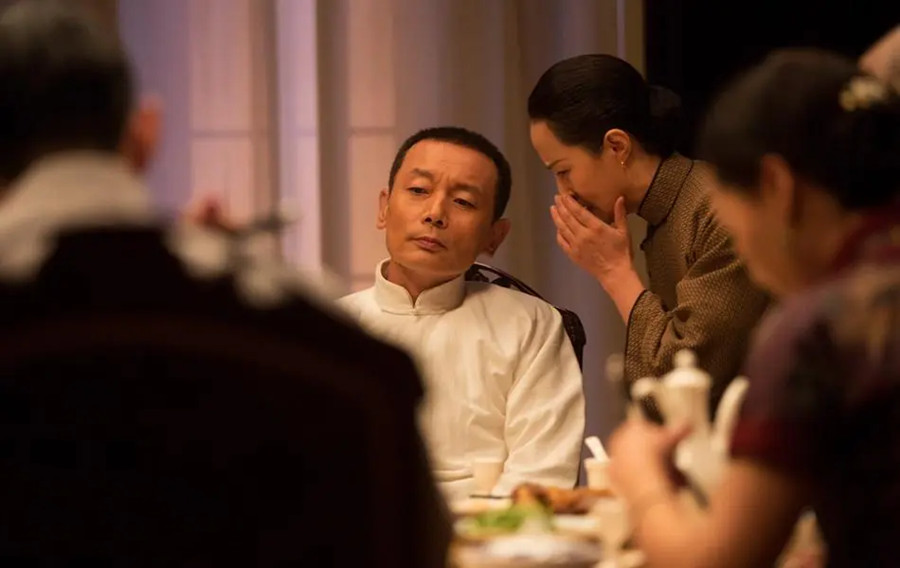
Set against the backdrop of 1930s Shanghai, this film intricately weaves the destinies of gangsters, spies, and socialites amid wartime turmoil. Director Cheng Er employs stark cinematography to capture the juxtaposition of opulence and violence, with food symbolizing power, betrayal, and survival.
Scene: During a tense tea house negotiation, Mr Lu (played by Ge You) uses xiaolongbao as a metaphor for the underlying tensions. He suggests that the conversation is over unless secrets are revealed, yet the dumplings remain uneaten, symbolizing unfinished business.
Food: Xiaolongbao (steamed soup dumplings)
A hallmark of Shanghai dim sum, xiaolongbao is renowned for its delicate skin, rich broth, and fresh filling.
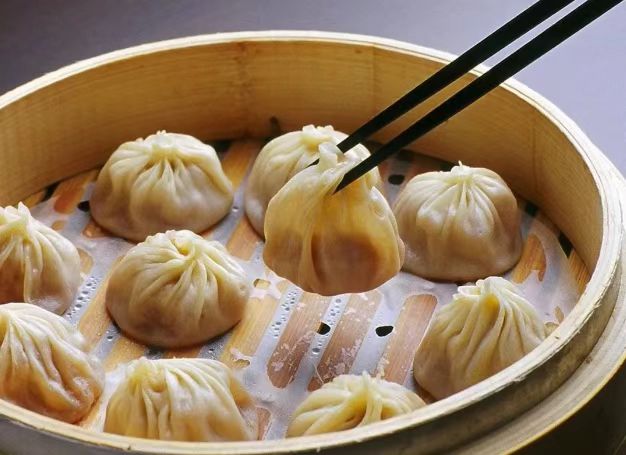
Preparation:
- Dough: Combine high-gluten flour with warm water to form a smooth dough, then let it rest for 30 minutes.
- Filling: Mix minced pork shoulder with ginger, salt, sugar, soy sauce, and rice wine, gradually incorporating chilled pork aspic for a flavorful broth.
- Assembly: Roll the dough thin, wrap the filling, and pleat with 18-22 folds to seal tightly.
- Steaming: Steam on high heat for 8 minutes until the broth is rich and the skin is translucent.
Blossoms Shanghai
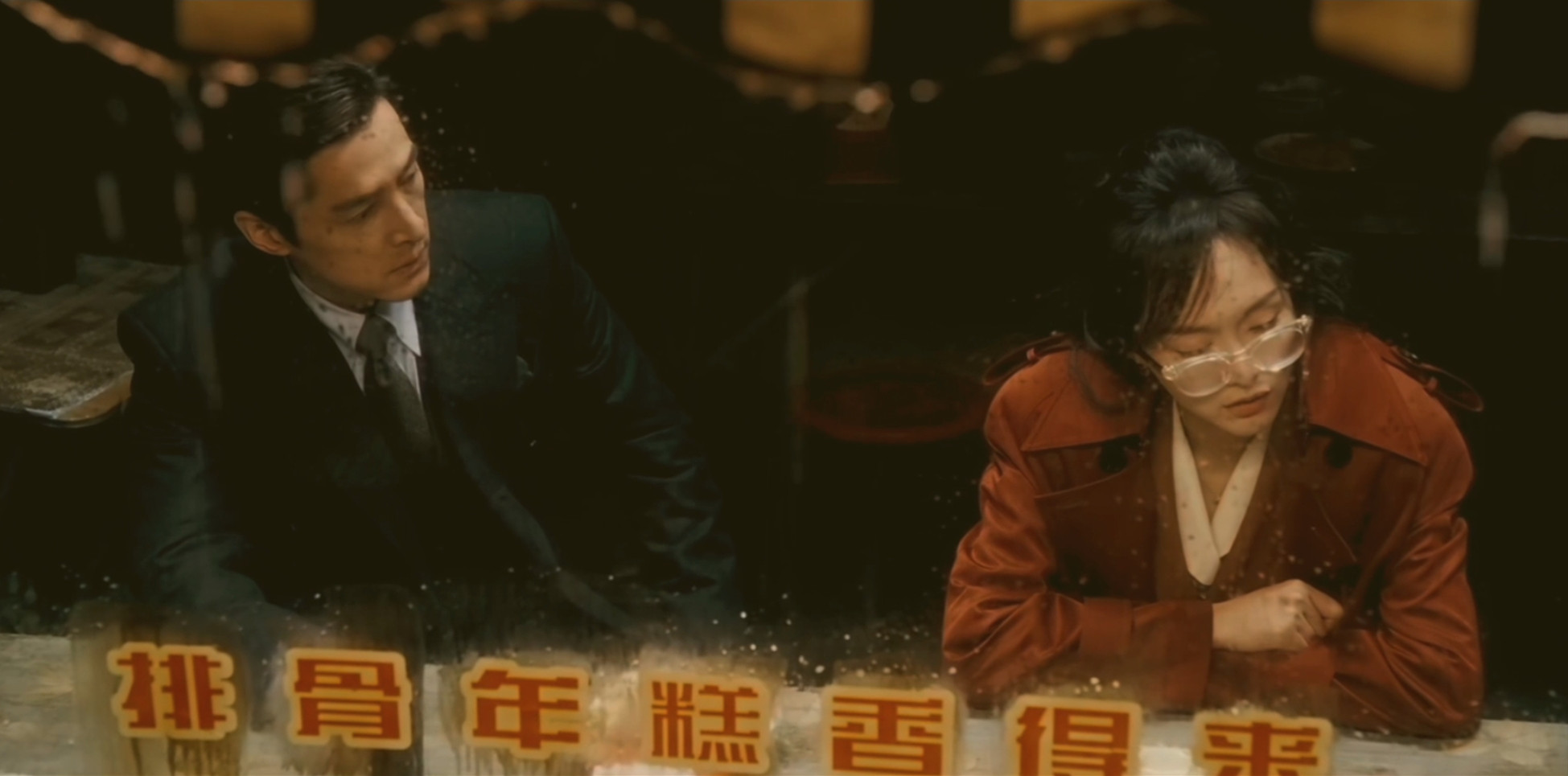
Directed by Wong Kar-wai, this urban romance series set in 1990s Shanghai follows characters like A Bao (played by Hu Ge) and Miss Wang (played by Tang Yan) as they seize opportunities and transform their lives.
Scene: Miss Wang always ate pork ribs with rice cakes during business talks. While A Bao had a fondness for rice cakes, Miss Wang preferred ribs. Sharing these meals not only facilitated their business dealings but also nurtured a growing mutual affection.
Food: Paigu niangao (pork ribs with rice cakes)
A classic Shanghai dish featuring crispy ribs and soft rice cakes with a sweet and spicy sauce.
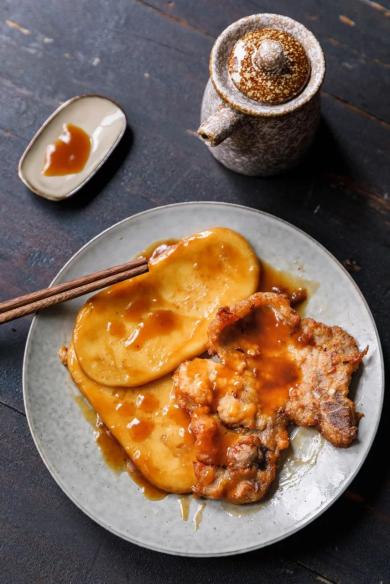
Preparation:
- Ribs: Tenderize pork ribs, marinate with soy sauce, rice wine, and sugar, coat with egg and breadcrumbs, and fry until golden.
- Rice cakes: Slice and pan-fry until slightly charred, drizzle with soy sauce, and sugar.
- Assembly: Combine ribs and rice cakes for a dish with a crispy exterior and sweet-spicy flavor.
Yan Huo Shi Wei (Smoke and Fire)
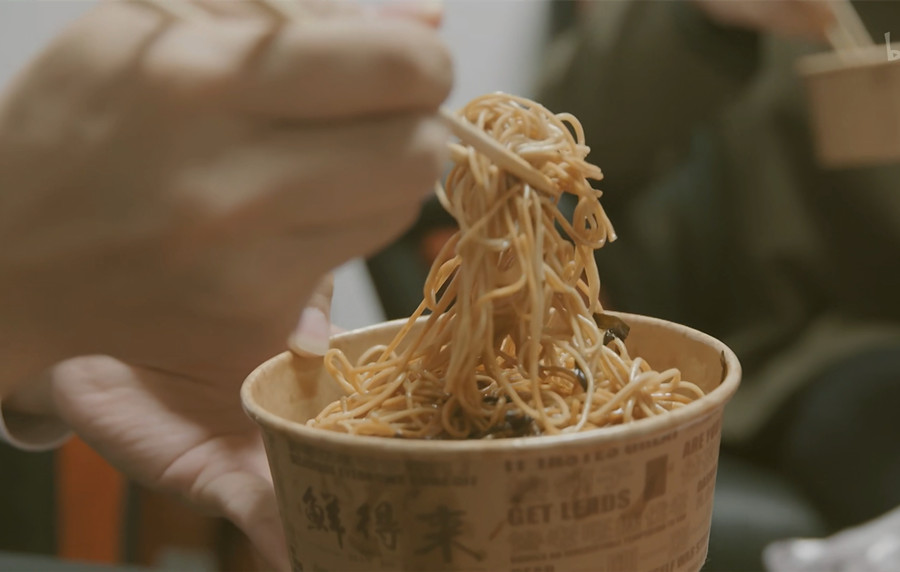
This seven-episode documentary highlights century-old restaurants leading urban trends, showcasing the culinary flavors of these historic brands as a reflection of Shanghai's economic and social prosperity.
Scene: Noodles take center stage in one episode, with bustling shops serving scallion oil noodles, a nostalgic favorite for Shanghai residents, attracting both locals and tourists.
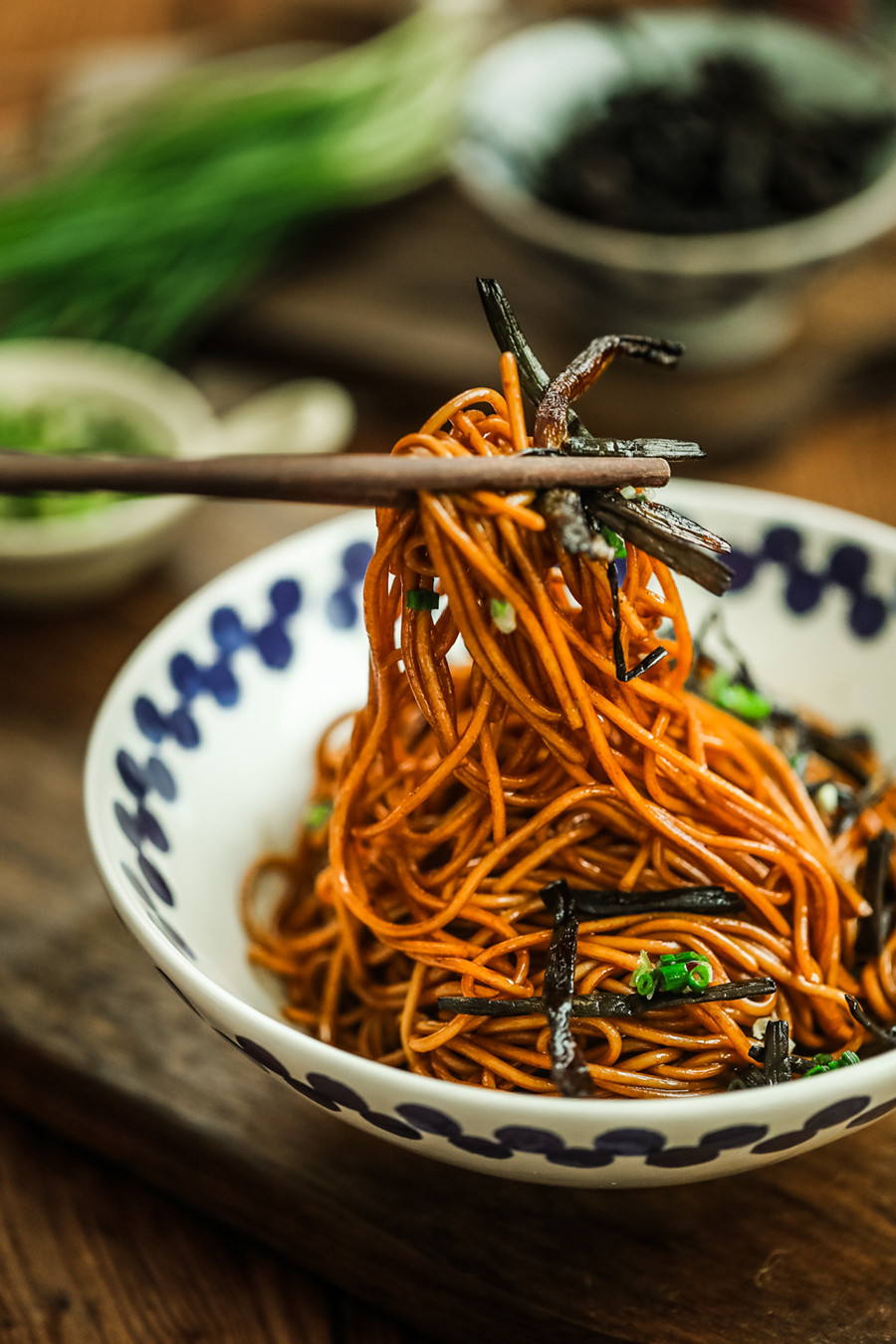
Food: Congyou banmian (scallion oil noodles)
A classic Shanghai dish known for its rich scallion aroma and simplicity.
Preparation:
- Scallion oil: Cut scallions into sections, fry in cold oil over low heat until golden brown, and strain to obtain scallion oil.
- Sauce: Mix light and dark soy sauce with sugar, heat until sugar dissolves.
- Noodles: Cook noodles, toss with scallion oil and sauce, and sprinkle with fried scallions.
Shanghai Wonton
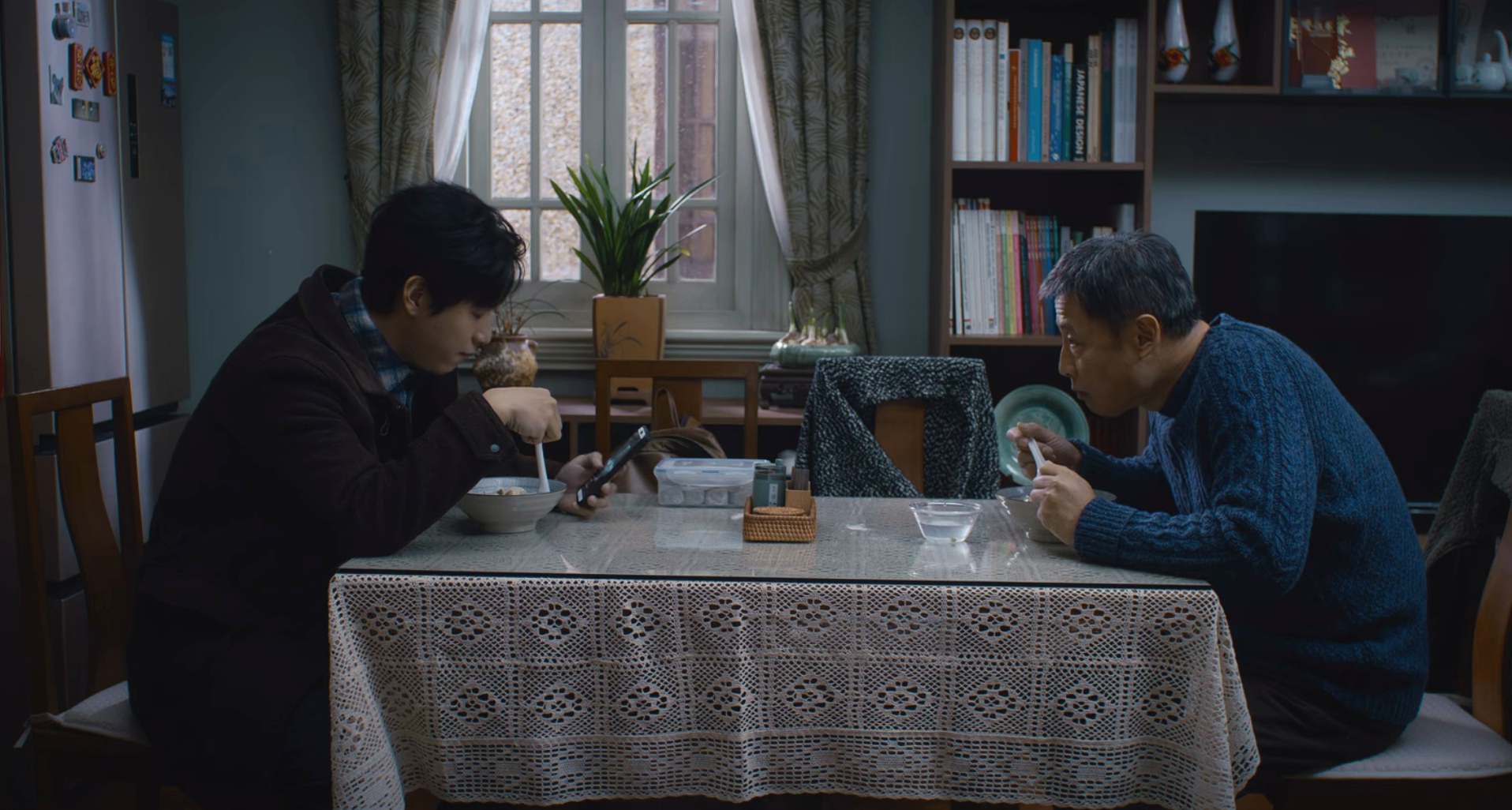
Shanghai Wonton (2025), directed by Wu Tiange, follows Lao Wang, a retired engineer played by Zhou Yemang, as he struggles to move on after his wife's death.
Every Saturday, his son comes home for his father's homemade pork and vegetable wontons, but their conversations often end with Lao Wang nagging about marriage and the son finding an excuse to leave. Hoping to help his son settle down, Lao Wang starts visiting the matchmaking corner in People's Park, where he gradually opens up, learns to enjoy life, and unexpectedly finds love himself.
Scene: Lao Wang and his son sit across the table, eating steaming bowls of wontons. All their unspoken worries and concerns seem to dissolve into this simple homemade meal.
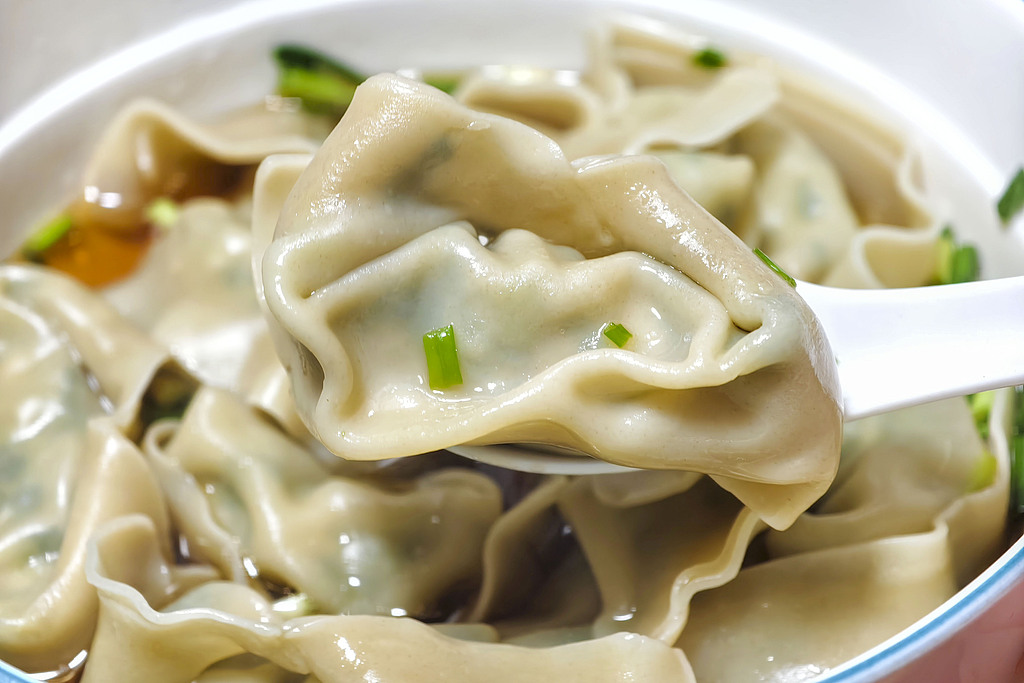
Food: Cairou huntun (pork and vegetable wonton)
Simple as it looks, this dish can be made with great care and precision — much like the refined lifestyle Shanghai is known for.
Preparation:
- Vegetables: Blanch bok choy and shepherd's purse for 30 seconds, rinse in cold water, squeeze dry, and chop finely.
- Filling: Mix ground pork with egg, soy sauce, oyster sauce, cooking wine, and sesame oil. Stir in one direction until sticky, then fold in the chopped vegetables, scallions, and minced ginger.
- Wrap: Place filling on a wonton wrapper, moisten the edges, fold the wrapper over, and pinch the corners together to form a pillow shape.
- Cook: Bring a pot of water to a boil, add the wontons, and cook until they float to the surface. Serve with scallions, egg crepe strips, dried seaweed, sesame oil, or a sprinkle of white pepper.
Sources: thepaper.cn, sh.people.com.cn, Shanghai Municipal Administration of Culture and Tourism
Editor's Pick


FAQs
- What if my passport expires but my Chinese visa is still valid?
- Can pets and owners depart from different countries while complying with customs regulations?
- Can a minor travel to China and stay in a hotel without a parent's presence?
- Who is eligible for the 240-hour visa-free transit policy in China?