Shanghai Auto Museum launches auto workshop for antique car repairs
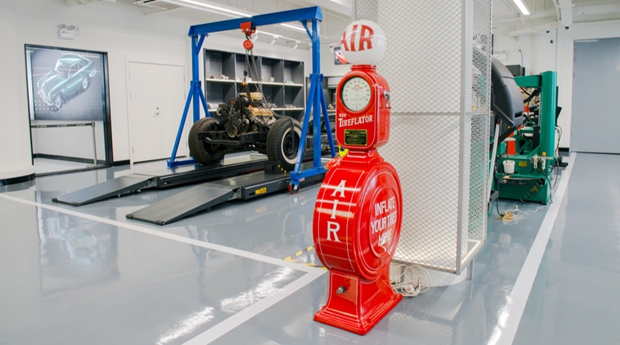
The Shanghai Auto Museum unveils an auto workshop dedicated to repairing antique cars on June 12. [Photo/Shanghai Observer]
In a bid to preserve automotive history and uphold the legacy of classic vehicles, the Shanghai Auto Museum unveiled an auto workshop dedicated to repairing antique cars on June 12. Spearheaded by Hu Huigang, the collection manager of the museum, this space sets out to establish itself as a premier classic car protection and repair facility.
The studio's comprehensive offerings include vehicle disassembly, meticulous maintenance of mechanical and electrical components, and assembly of large vehicle parts. Boasting state-of-the-art technical equipment that spans from vehicle examination to repair, along with a specialized operation console tailored for complex repair tasks, the studio is well-equipped to cater to a diverse range of restoration needs.
With nearly 18 years of experience at the museum, Hu and his dedicated team have garnered acclaim within the industry for their exceptional work. Over the years, they have successfully repaired more than 100 classic cars, while also playing a pivotal role in assisting the museum in establishing standards for antique car repair, appraisal, and maintenance.
At the opening ceremony of the auto workshop, Hu took the opportunity to address the audience, which included teachers and students from Shanghai Dazhong Technical School. He delivered an engaging talk on the intricacies of antique car repair, sharing insights into the meticulous craftsmanship required to restore these automotive treasures to their former glory.
During his speech, Hu Huigang emphasized the importance of preserving the spirit of restoration in today's fast-paced world. He underscored the dedication, attention to detail, and unwavering passion that define true craftsmanship, urging the next generation of technicians and enthusiasts to embrace these values as they embark on their own journeys in the automotive industry.
Source: Shanghai Observer


FAQs
- Do I need a physical marriage certificate when applying for a residence permit for private affairs?
- Do I need to declare my ADHD medication to customs during an airside transit at Shanghai Pudong Airport?
- Is Wusongkou International Cruise Terminal an eligible port under the 240-hr visa-free transit policy?
- What are the customs and quarantine requirements for pets entering or leaving China via Shanghai Pudong airport?