Shanghai to upgrade waste sorting stations
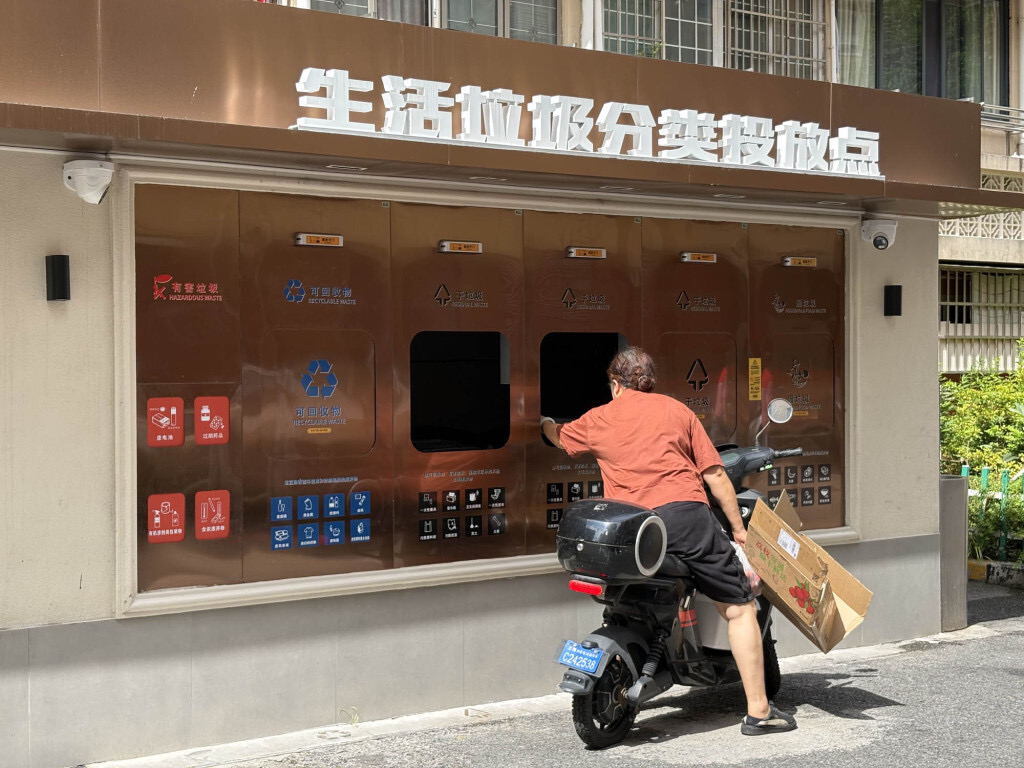
Shanghai announced plans on June 30 to upgrade its waste sorting infrastructure by the end of 2025, coinciding with the sixth anniversary of the city's household waste management regulation, which came into effect on July 1, 2019.
According to the Shanghai Landscaping and City Appearance Administrative Bureau, the city plans to carry out mini renovations on over 21,000 waste sorting stations and targeted upgrades on more than 8,000 others in residential areas.
When Shanghai first enforced waste sorting in 2019, most of the city's facilities were modified to comply with the new requirements.
However, after several years of use, many of these waste collection points have experienced wear and tear.
The upcoming upgrades aim to improve their functionality and further encourage voluntary compliance.
In addition to infrastructure improvements, the city is promoting longer opening hours for waste stations during holidays to better serve residents.
To address the shortage of recycling infrastructure, Shanghai has already established 644 service centers and 48 exemplary recyclables transfer stations.
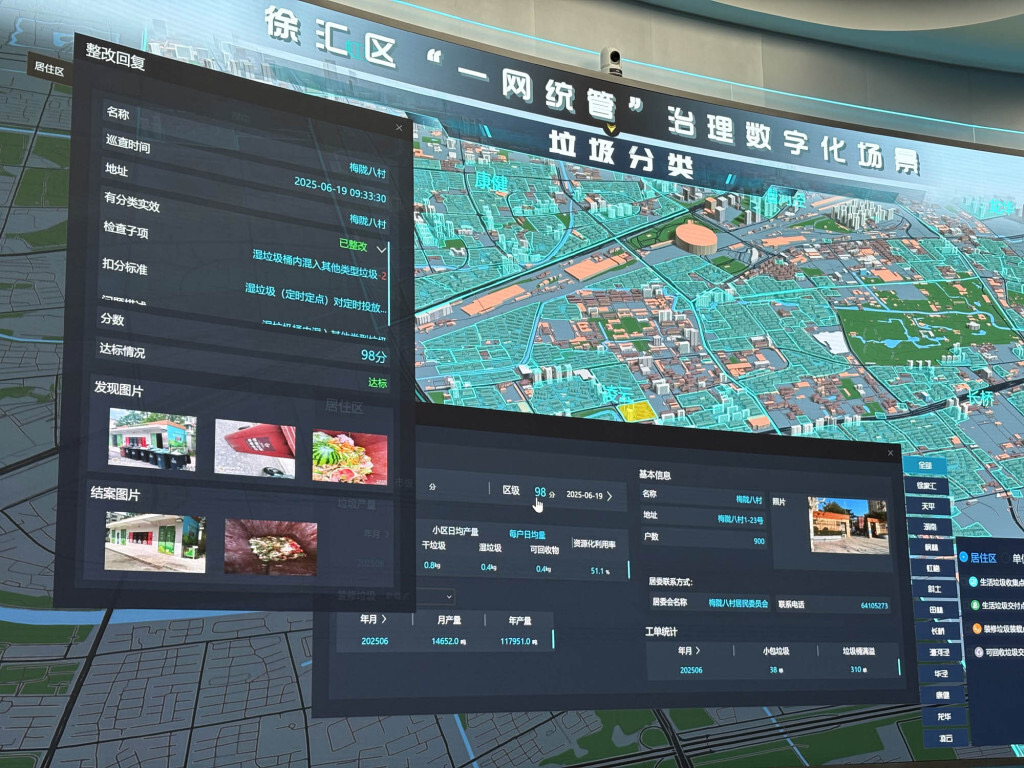
The city is also piloting smart waste sorting systems that can quickly identify operational issues, pinpoint individual responsibility, track garbage trucks, and evaluate the overall sorting process.
Recent data show that Shanghai has reduced total waste generation by 5 percent over the past six years.
This achievement is attributed to a combination of initiatives, including the "Clear Your Plate" campaign, aimed at reducing food waste, and the widespread enforcement of minimum packaging standards for e-commerce deliveries.
From January to May this year, the city sorted a daily average of 7,927 metric tons of recyclables, 2 tons of hazardous waste, and 8,690 tons of kitchen waste.
These figures represent increases of 1.96 times and 13.6 times for recyclables and hazardous waste, respectively, and a 41 percent decrease in kitchen waste compared to the same period in 2019.
Shanghai currently leads the nation in household waste recycling, with a recycling rate exceeding 45 percent.
The city continues to invest in household waste treatment capacity and is expected to be able to process up to 11,000 tons of kitchen waste and 28,000 tons of other household waste per day by the end of 2025.
Source: Jiefang Daily


FAQs
- Do I need a physical marriage certificate when applying for a residence permit for private affairs?
- Do I need to declare my ADHD medication to customs during an airside transit at Shanghai Pudong Airport?
- Is Wusongkou International Cruise Terminal an eligible port under the 240-hr visa-free transit policy?
- What are the customs and quarantine requirements for pets entering or leaving China via Shanghai Pudong airport?