New book is a testament to the city's enduring spirit
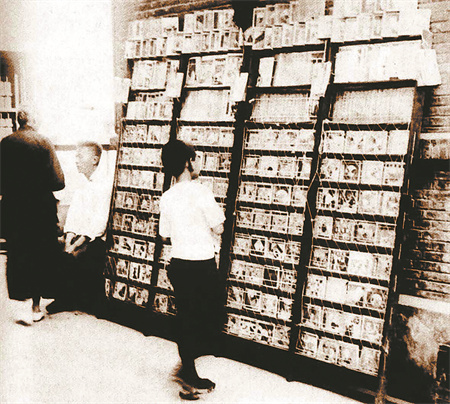
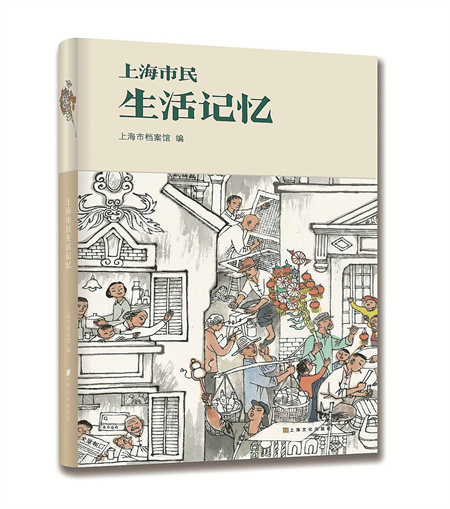
A highlight of the Shanghai Book Fair, the Shanghai Municipal Archives unveiled the new book Shanghai Citizens' Life Memories, which offers a multifaceted portrayal of the city's past decades through the eyes of its residents, rare archival images, and distinctive comic drawings.
Described by many celebrities and other readers as a journey through fragmented memories, the book, launched on Aug 15, features 20 essays penned by firsthand witnesses. These narratives are organized into three sections — Taste, Leisure, and Cityscape — to reflect the evolution of the city's culinary scene, leisure activities, and urban spaces. Through personal stories and archived photos, the book captures the city's transformation, painting a small portion of the history of Shanghai's reform and opening-up.
Contributor Liu Xunming, a retired medical researcher, reminisces about childhood visits to the neighborhood's grocery stores when modern convenience stores and supermarkets were not yet part of daily life.
"When I was a child, and adults needed something while cooking, they would send the children to the nearby grocery store. In the past, going to the grocery store not only meant smelling delicious food and taking some home, but also being immersed in satisfaction and joy during times of material scarcity," he says.
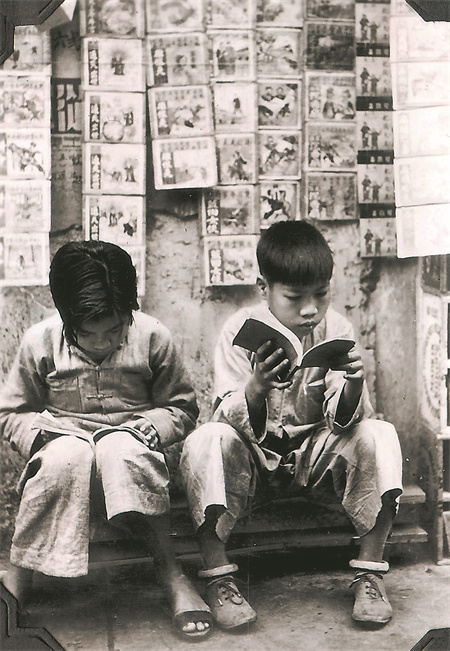
The book also records typical scenes of a Shanghai-style Chinese New Year's Eve family dinner in the 1980s.
It states that nowadays, the customs of celebrating Chinese New Year in Shanghai have evolved, with many people having dinner, the most important one of the year, at restaurants instead of the family home. Also, since food is no longer scarce, the significance of dinner on Chinese New Year's Eve has diminished.
However, in the past, this particular dinner was usually served on a "round table", which was folded up during normal days and unfolded only for this special meal. Many families would prepare 10 cold dishes and 10 hot dishes to symbolize perfection in all aspects.
The book also explores the sensory experiences of Shanghai, with Li Ting, deputy director of the culture department of local media Wenhui Daily, sharing her olfactory memories of the city. While Shanghai is known as a coffee capital, with its number of coffee shops likely surpassing other cities worldwide, its rich tea culture once thrived in local teahouses, says Li.
"In Shanghai dialect, people once used 'incubate' to describe how they spent time in teahouses. That word was vivid, as patrons would sit there for an entire day. Those with seats by the window would even bring their birds in cages along," says Li.
"Teahouses were places for socializing, learning, and conducting business. They were also a platform for sharing information about art performances and exchanging updates on cultural festivals," she says.
The nostalgic soundscape of Shanghai's alleyways also comes alive in the book, capturing the melodic calls of flower vendors.
In the memories of elderly Shanghai residents, the young women selling flowers always retained a touch of elegance. They could be found at the entrances of cinemas and in large squares, carrying baskets of neatly arranged flowers. A damp towel was placed over the flowers to keep them from wilting.
"Perfume was a luxury then, so naturally fresh, affordable white magnolias were popular among women," Li says.
In the alleyways, the cries of street vendors could be heard, offering services like umbrella repair, bowl mending, and collecting recyclable goods.
"There is a popular saying from the old era of material scarcity in Shanghai: 'New for three years, old for three years, and patched up for another three years.' When something at home broke, people would never throw it away," says Li.
Over the past decades, Shanghai residents' incomes have experienced an impressive leap, reflecting the profound impact of the country's reform and opening-up, and globalization efforts.
According to the Shanghai municipal government, the per capita disposable income of Shanghai residents reached 88,366 yuan ($12,320) in 2024. In contrast, according to the Shanghai Statistical Yearbook, the average annual wage of workers in the city was 873 yuan in 1980, which made frugality a must.
Weng Sishi, director of the Huangpu district archives, says that in the late 1970s, roughly 60 percent of Shanghai residents lived in Shikumen houses (typical Shanghai-style, two-story lane residences that mix the Chinese and the Western elements; and were largely built before the 1940s), which featured a compact layout and rational use of space, and were usually quite crowded.
She notes that today, as urban renewal projects developed, many Shikumen buildings were preserved. During the urban redevelopment process, the archives provided historical information, such as significant events or notable individuals that were associated with a particular neighborhood, thereby adding cultural value to the redevelopment projects.
According to data from the city's housing authority, there are approximately 2.5 million square meters of Shikumen buildings still remaining, with about 60,000 families residing in them. Meanwhile, Shanghai's permanent population approaches 25 million, indicating that an increasing number of residents have moved into newly constructed apartments.
"The book stands as a testament to the city's enduring spirit of openness, innovation, and inclusiveness, offering valuable insights for future urban development and preservation efforts," says Weng.
Wang Rugang, a custodian of traditional Shanghai comedy, says this book awakened many fragments of his memories. "When reading this book, many people's old memories will surface and they will piece them together to re-create a vibrant tableau of life in Shanghai," he says.
"I saw in the book a mutual journey between the people and the city. The people love the city, and the city provides them with an increasingly better quality of life in return."