Town's strategic role in Yangtze River Delta highlighted in salon
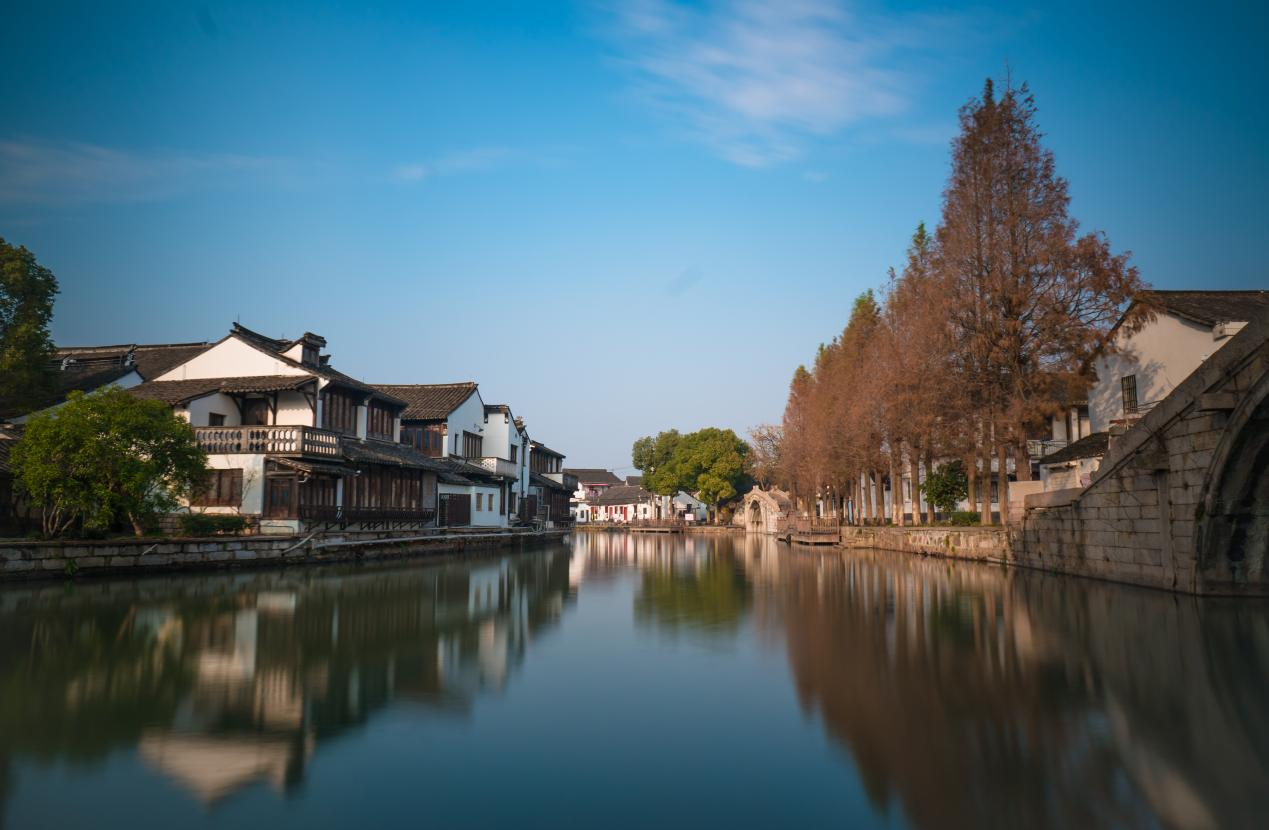
The gentle lapping of water against ancient stone, the whisper of wind through verdant reeds, these are the sounds that define Jinze, a town cradled in the heart of the Yangtze River Delta. Forget the concrete jungle; here, emerald wetlands meet cutting-edge technology, creating a unique landscape where traditional charm harmonizes with modern ambition.
Jinze, once quiet and obscure, now stands as a vibrant example of how strategic vision and environmental preservation can converge to create a prosperous future.
This transformation was brought into sharp focus during a media salon held on Sept 26 in Rongju Shagang, a local cultural space. The gathering highlighted the town's pivotal role within the Yangtze River Delta Integrated Ecological and Green Demonstration Zone.
According to Ye Lijun, the town's mayor, Jinze's ascent is anchored in five key pillars: strategic significance, prime location, rich culture, pristine environment, and groundbreaking innovation.
She explained that Jinze is at the forefront of national strategy, experiencing a surge in technological advancement and major project developments, making it the spearhead of progress.
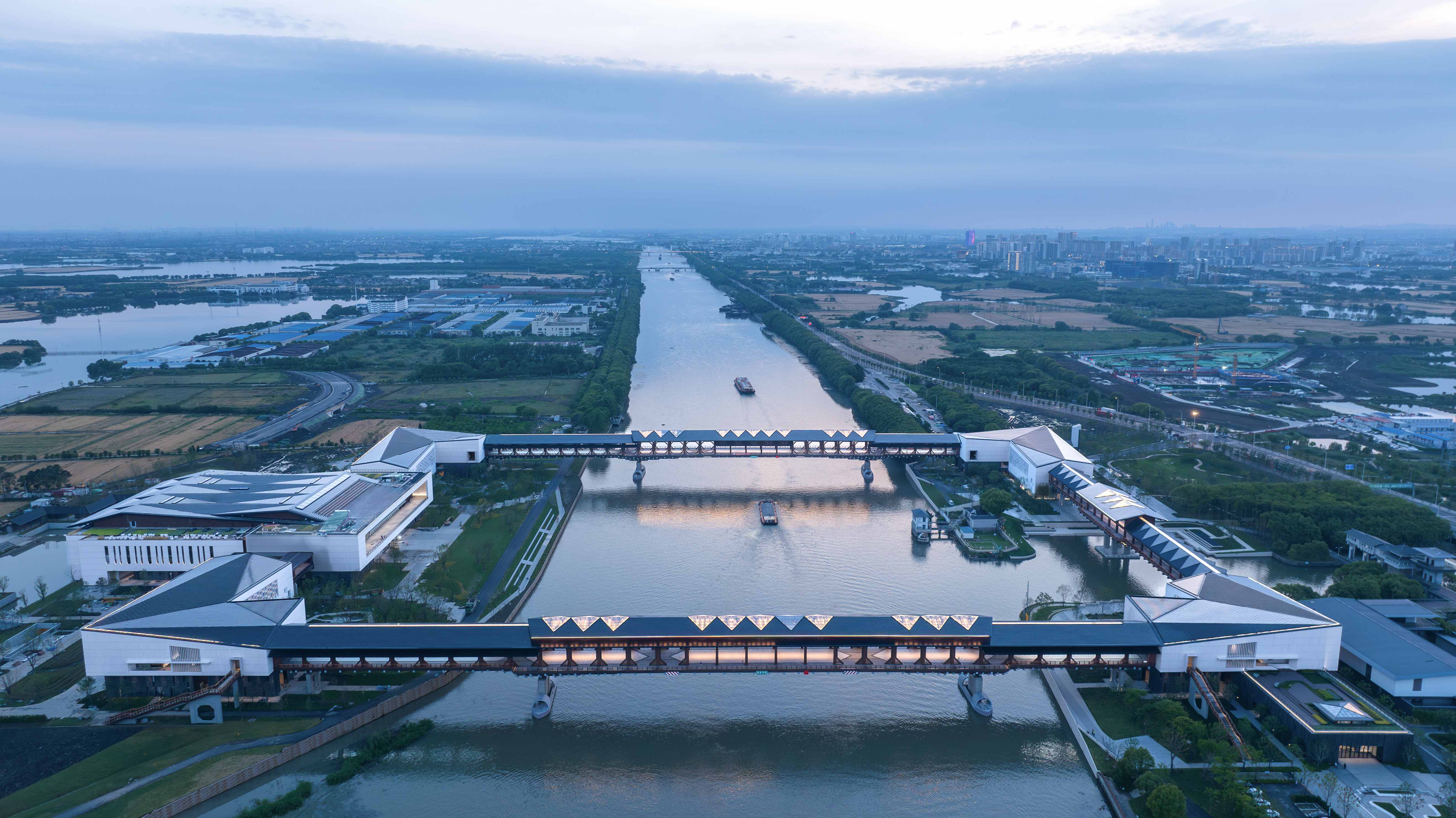
"Jinze is at the forefront of the national strategy. We are committed to being pioneers, driving progress and innovation," she said. This strategic positioning has attracted significant investment, including the massive Huawei research and development center, which is expected to draw 30,000 high-end researchers to the area.
The arrival of Huawei has acted as a catalyst for technological innovation.
Zhang Shaohua, chairwoman of an architectural design firm, whose company is deeply involved in developing the area surrounding Huawei, believes the blend of beautiful scenery and technology has been key in stimulating regional innovation.
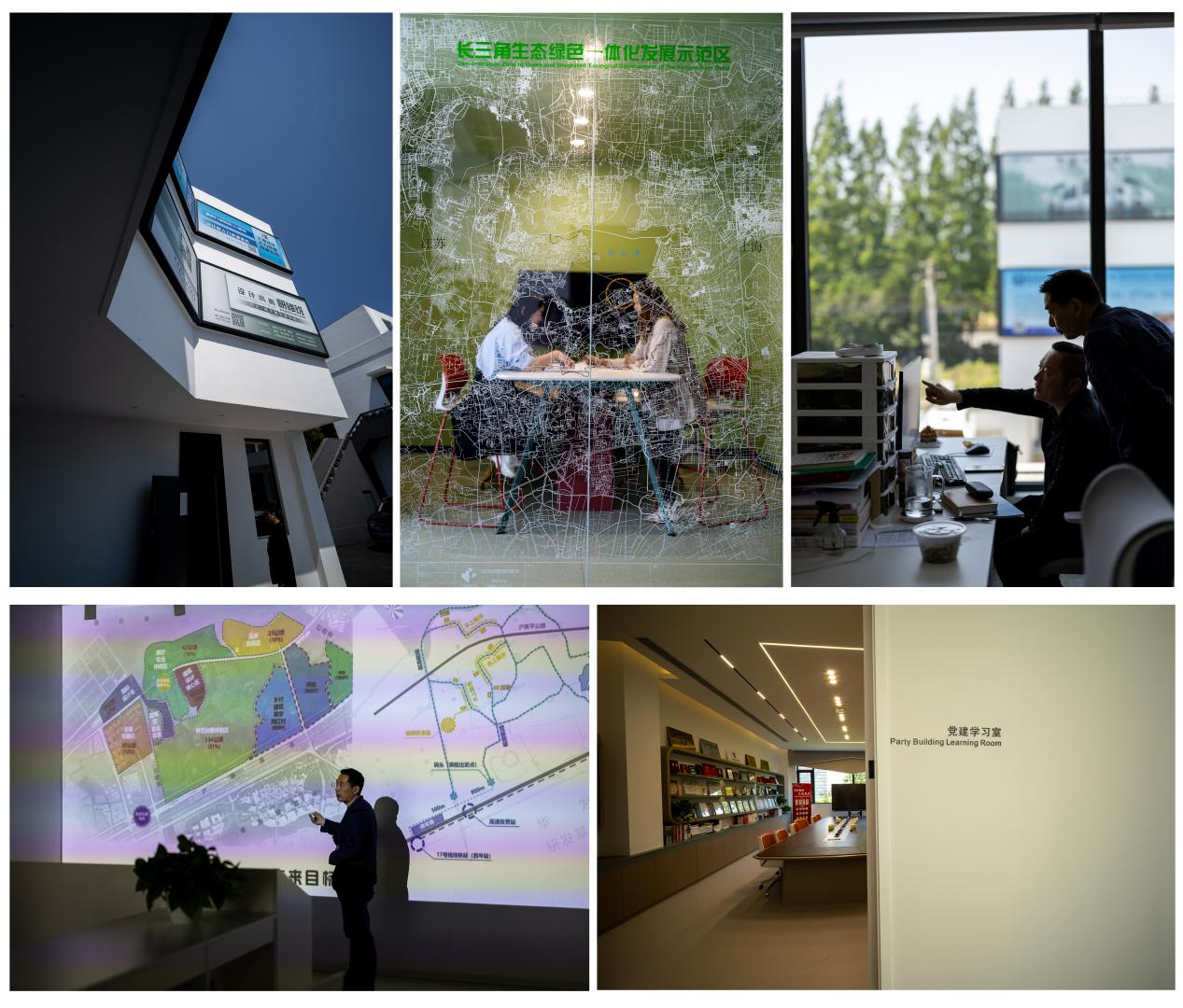
Her company is dedicated to leveraging its proximity to the Huawei research center to foster an innovative ecosystem catering to the needs of the burgeoning tech community.
To support this influx of talent, Jinze is actively cultivating a welcoming environment. The town is focused on providing comprehensive services for talent, from streamlined residency procedures to entrepreneurial support.
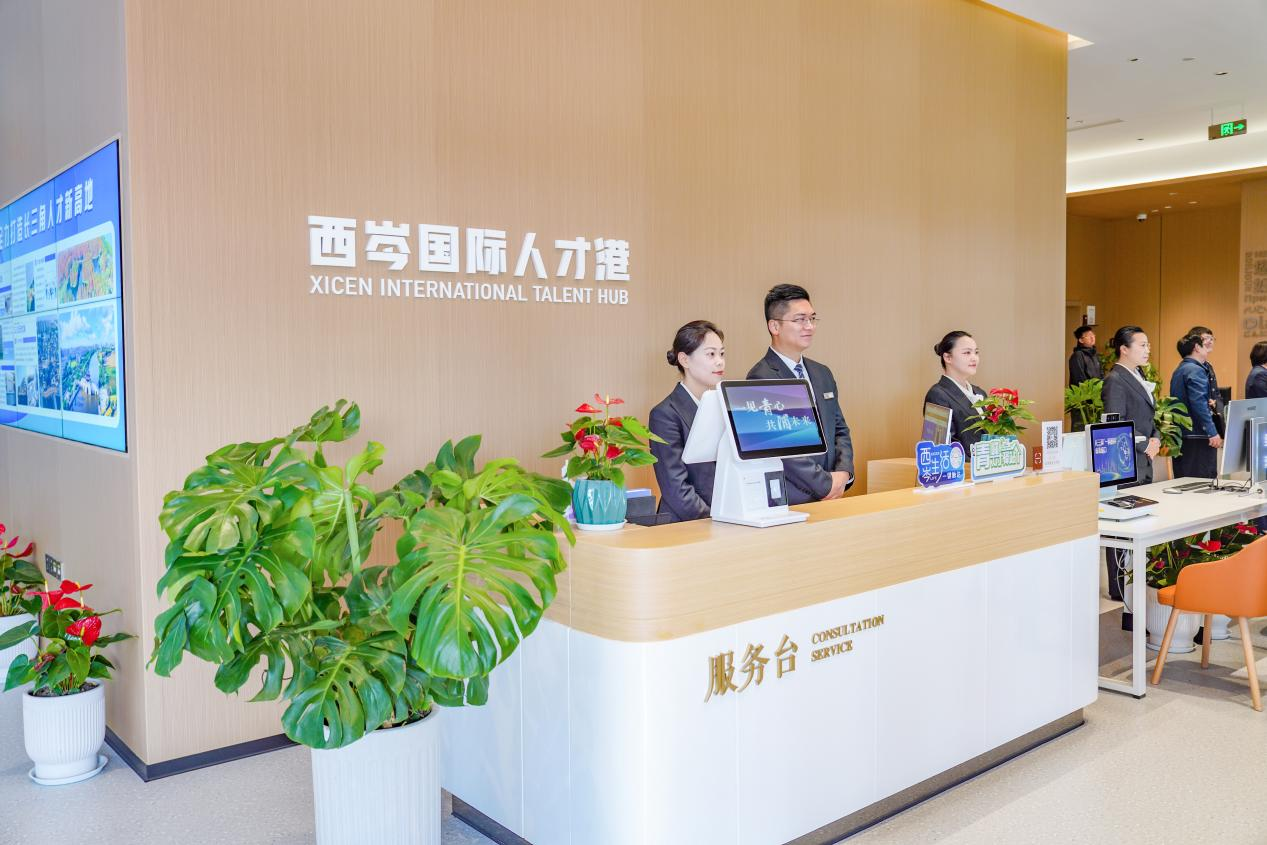
Lu Peihua, secretary of the Communist Party of China branch in Lianhu village, shared insights into the innovative rural talent apartment initiative. Fifteen farmer-built houses were transformed into shared living spaces with 24-hour concierge service, creating an environment where researchers can feel at home.
"We want to ensure talent not only finds a place to work but also a place to belong," Lu said.
Lianhu Village has capitalized on its ecological advantages, hosting events like the Lotus Viewing Festival and high-profile cycling competitions, transforming from a passive recipient of visitors to an active participant in the area's economic growth.
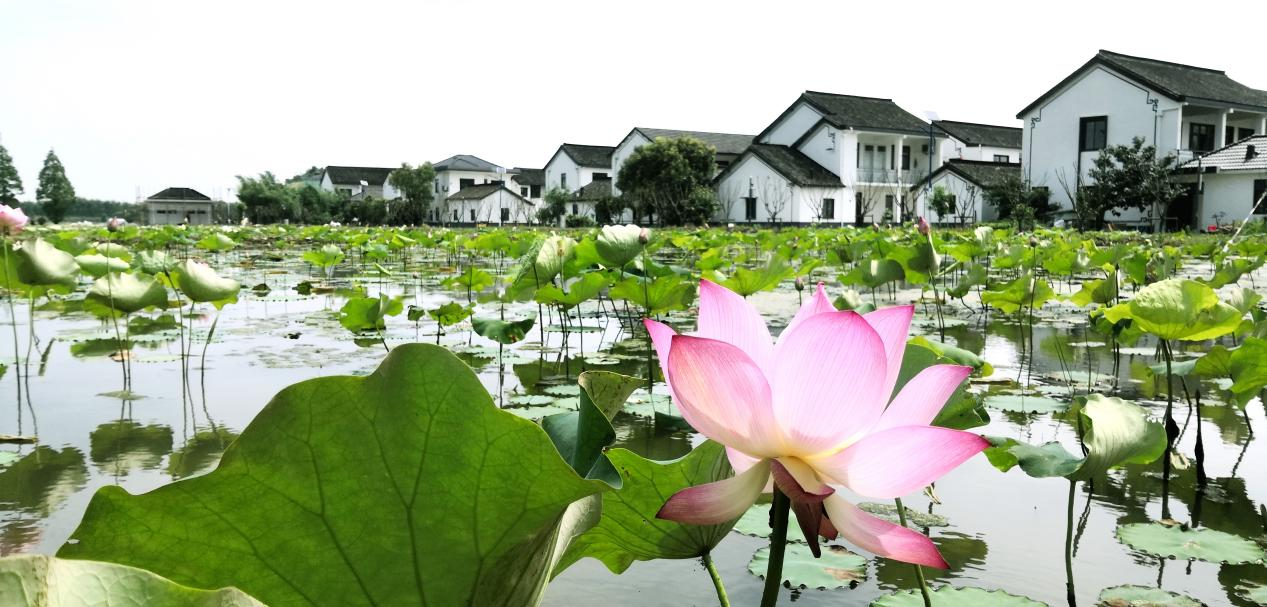
Jinze's commitment to ecological preservation is equally crucial. With over 45 percent of its total area covered by green and blue spaces, and 21 of Shanghai's 23 natural lakes within its borders, Jinze truly embodies the "Two Mountains Theory", a philosophy emphasizing that lucid waters and lush mountains are invaluable assets.
The town mayor pointed out the town's success in becoming one of the first Shanghai pilot areas to explore innovative practices to make the theory a reality.
The town is actively engaged in collaborative efforts with neighboring Jiangsu province to ensure the shared waterways are managed in a unified and sustainable manner.
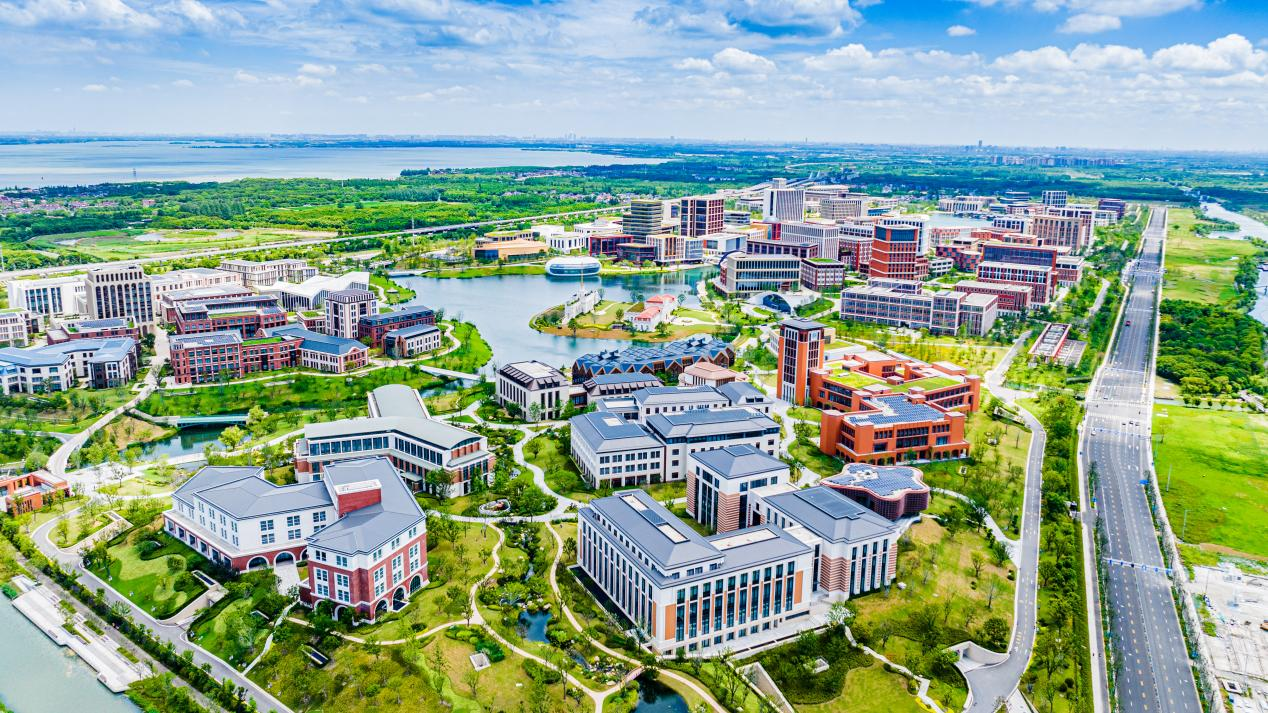
The metamorphosis of an old shoe factory into the Rongju Shagang guesthouse highlights the commitment to balancing preservation with modern lifestyle. This project utilizes sustainable farming methods and highlights the natural beauty of the surroundings.
Moreover, the Tian Shan Zhuang farm emphasizes the fusion of recreation, social interaction, and environmental appreciation.
The owner, Hu Chenguang, is trying to create a comfortable leisure area by using a "day coffee and night wine" business model, with the goal of creating a space where residents, tour groups, and young people can comfortably enjoy and recharge.