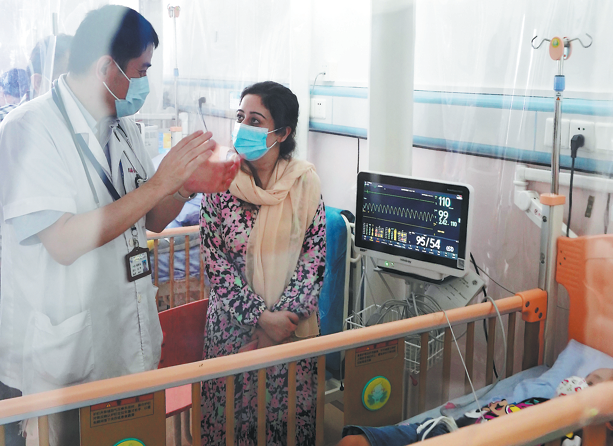
Shanghai doctors in Morocco: The priceless legacy they cherish most
"The best gift we received from our medical aid mission in Morocco," said Yan Wei, an obstetrician-gynecologist from Shanghai General Hospital who served in Morocco in the 1980s, "is knowing that a baby girl we delivered by Cesarean section about 40 years ago has now become an obstetrician herself, serving her local community."
She was referring to Rachidi Imane.
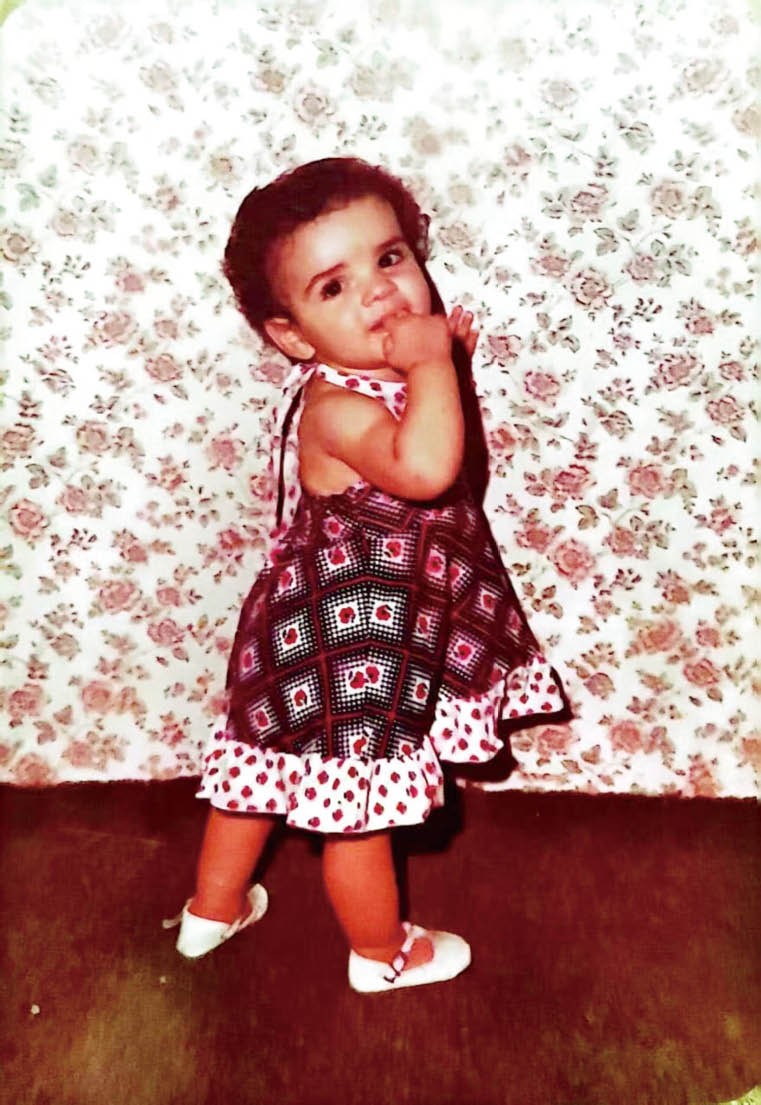
On Oct 21, 1981, Imane's mother was rushed to a hospital in Taza, a city in northern Morocco, facing a life-threatening delivery complicated by macrosomia and face presentation.
A Chinese OB-GYN at the hospital diagnosed fetal distress and immediately performed an emergency C-section, saving both mother and child.
Inspired by the story of her own birth, Imane later chose to become an obstetrician-gynecologist. Today, she works alongside Chinese medical teams sent to Morocco, helping ease local shortages in healthcare.
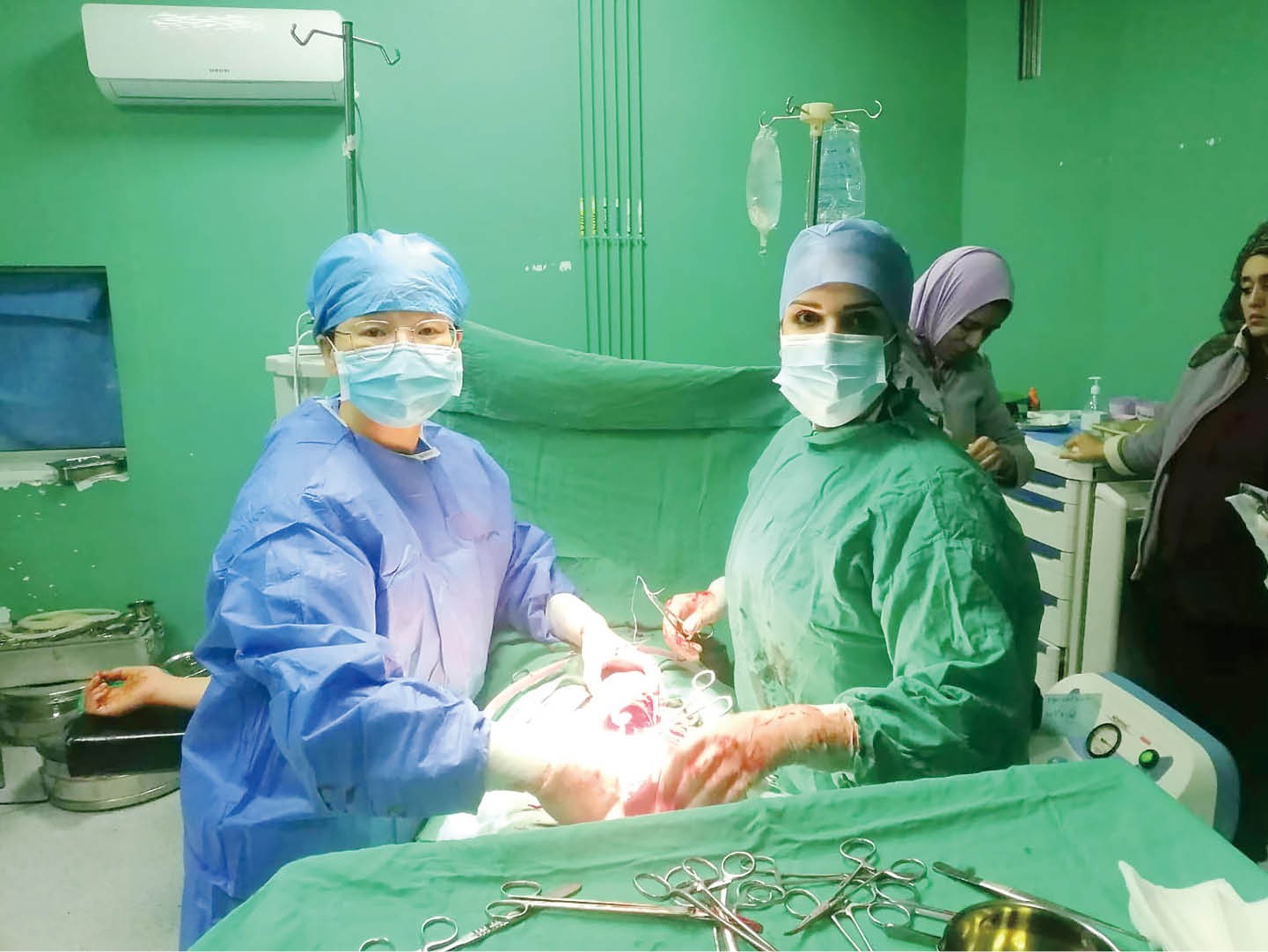
50 years of Shanghai's medical mission in Morocco
Since Shanghai sent its first medical team to Morocco on Sept 19, 1975, a total of 2,055 Shanghai medical professionals have served there in 19 batches, treating 5.88 million outpatient and emergency cases and 840,000 inpatients over the past 50 years.
When Yan learned about Imane's story, she could no longer recall the specific delivery — too many years and too many emergency operations had passed.
But she knew the surgery must have been performed either by her or her colleague. They were the only two obstetrician-gynecologists in Taza at the time and handled nearly every operation together.
In 1981, Yan and 12 other Shanghai doctors traveled from Beijing to Rabat via Paris, then continued by bus to Taza, a city more than 10,000 kilometers from home. They became the first Chinese medical team ever stationed there.
At the time, prenatal check-ups were rare in Taza, and many women gave birth at home. Hospitals typically received patients only when emergencies arose, such as severe hemorrhaging or postpartum infections. Cases like Imane's were far too common to be remembered.
Against all odds: Saving lives in remote Morocco
Taza lies in a mountainous region of northern Morocco, bordered by rugged ranges and facing the Sahara Desert to the south.
The Chinese medical staff lived in modest conditions. The women shared simply built double rooms, while the men stayed for a long time in a converted conference room. For months, there was no radio or television — and little time for rest.
"We became the only two OB-GYNs at the hospital, without any handover," Yan recalled. "The patient load was overwhelming. We worked in shifts to keep the service running 24 hours a day — and even that didn't feel like enough."
Though Morocco is rich in scenic and cultural sites, Yan never traveled for leisure during her two-year posting. Apart from a one-day work trip to Rabat, she visited nowhere else.
But she encountered cases virtually unseen in Shanghai at the time — such as maternal tetanus — which broadened her clinical experience.
Limited resources also pushed the team to adapt. With no dedicated surgical assistants, Yan and her colleague performed every step of the operations themselves. When newborns came out blue and silent, Yan would switch roles and act as an emergency pediatrician until the infant was stable enough to be handed over to the nurses.
Their professionalism gradually influenced local colleagues. A Moroccan anesthesiologist, for instance, used to slap or pinch patients awake after surgery. After working alongside the Shanghai team, he was moved by their patient-centered approach and changed his methods.
Homesickness and unforgettable moments
Communication with family relied entirely on letters, collected and sent once a month via the embassy. Missing the deadline meant waiting another month.
"No matter how late we worked the night before mail day, we would always stay up to finish our letters," she said.
Once, during her turn to deliver mail, the embassy gave Yan an unusual task: neutering a handsome but overly amorous German shepherd in the diplomatic compound.
Yan and an orthopedic surgeon gathered anesthetics and surgical tools and performed the procedure themselves — one of the most unexpected operations of her career. News later came that the dog had recovered well, which brought them quiet satisfaction.
"Looking back," Yan reflected, "those two years were tough, but they were filled with meaning and even joy."
Source: Shanghai Municipal Commission of Health