Shanghai-based MNCs step up ESG innovation
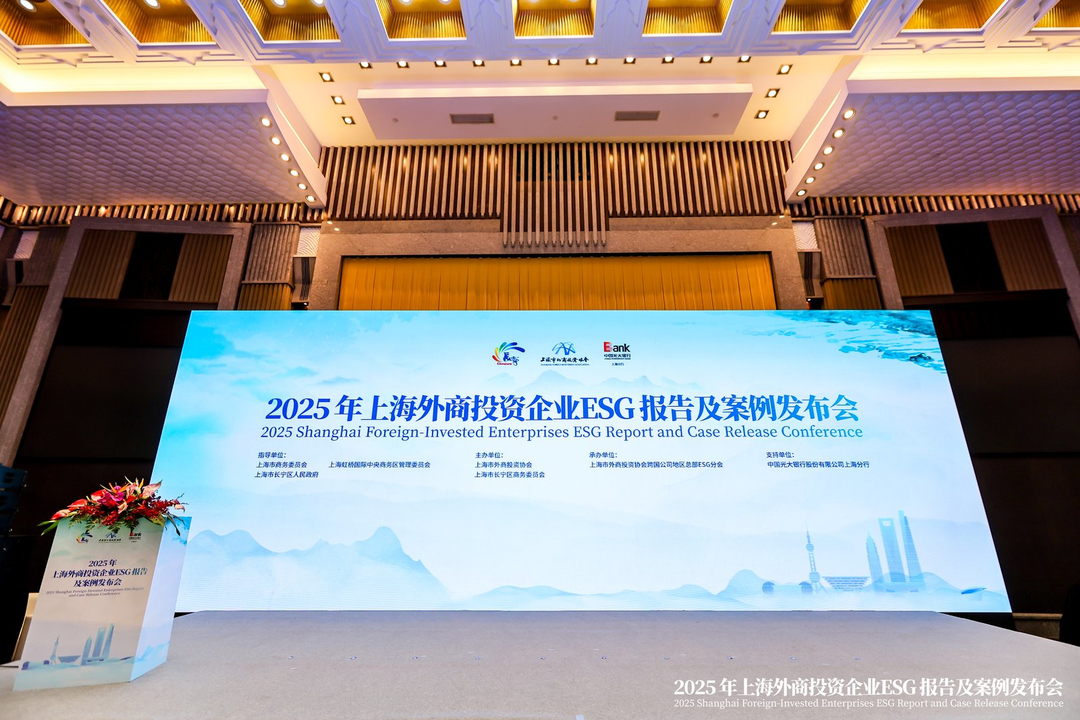
Multinational corporations based in Shanghai are stepping up environmental, social, and governance innovation through localized practice, supported by the city's open business environment and clear policy framework.
The trend was highlighted at the 2025 Shanghai Foreign-Invested Enterprises ESG Report and Case Release Conference held on Dec 16.
The event showcased a range of ESG cases developed by foreign-invested companies operating in Shanghai, covering areas such as the circular economy, climate action, and public welfare.
In the circular economy sector, cross-industry collaboration is helping build greener material loops. Saudi Arabian chemicals manufacturer SABIC, for instance, has applied its chemically recycled plastics, developed through its China-based cooperation, to a basketball court renovation program, in collaboration with sports flooring supplier Enlio.
In the climate and resource management field, several multinational companies have achieved measurable progress through technological innovation and localized cooperation. One of these companies is Nestle China, which is reducing emissions through precision feeding and improved manure management, while working with 36 farms across the country to advance more sustainable agricultural practices.
In the area of safety and public welfare, foreign enterprises are increasingly focusing on long-term, locally embedded programs. For example, Volvo's Little Red Horse Safety Education Program, implemented in partnership with the Shanghai Public Service Foundation for Volunteers, reached more than 5,000 children at 41 schools in Shanghai in 2024, aiming to reduce traffic accidents involving children.
The program has also attracted participation from international teams through related training activities in China.
To further strengthen ESG development, the Shanghai Municipal Commission of Commerce released a three-year action plan in February 2024 for 2024-2026, aimed at enhancing the ESG capabilities of foreign-related enterprises and building a collaborative ESG ecosystem by 2026.
Industry data show that more than 90 percent of the 41 ESG reports collected from foreign-invested enterprises in Shanghai this year incorporate China-specific practices, indicating that localized ESG innovation has become a common approach among multinationals operating in the city.
Source: Shanghai Observer


FAQs
- Do I need a physical marriage certificate when applying for a residence permit for private affairs?
- Do I need to declare my ADHD medication to customs during an airside transit at Shanghai Pudong Airport?
- Is Wusongkou International Cruise Terminal an eligible port under the 240-hr visa-free transit policy?
- What are the customs and quarantine requirements for pets entering or leaving China via Shanghai Pudong airport?