Decoding the WorldSkills Competition: Key numbers explained
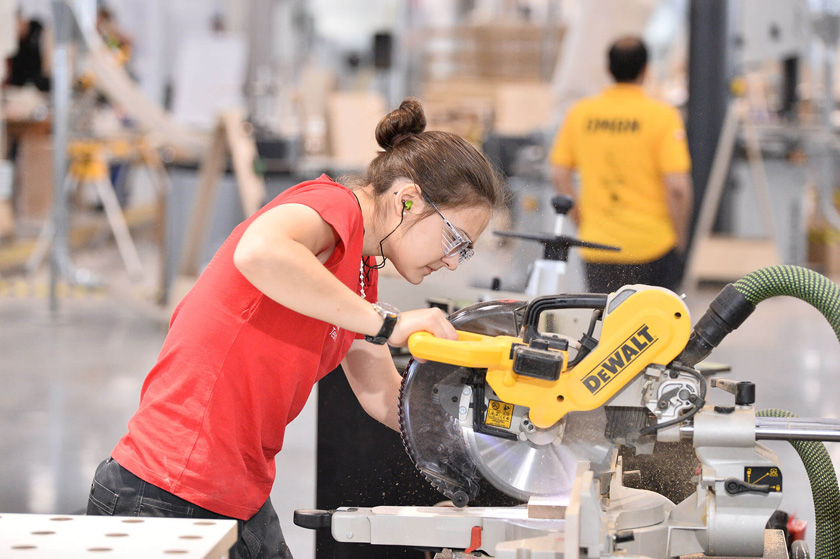
This September, Shanghai will take the global spotlight as host of the 48th WorldSkills Competition. To better understand this world-class event, a few key numbers offer a useful starting point. They explain how the competition is organized, who is eligible to compete, and what defines excellence at WorldSkills. Here is what each number represents.
2: Competition held every two years
The WorldSkills Competition is organized by WorldSkills International and held every two years.
Recognized as the world's highest-level and most influential skills competition, WorldSkills sets global benchmarks for skills development and serves as a platform for exchange, learning, and excellence.
6: Skill categories
The competition is grouped into six skill categories, covering almost every aspect of modern life and work:
- Transport and Logistics
- Construction and Building Technology
- Manufacturing and Engineering Technology
- Information and Communication Technology
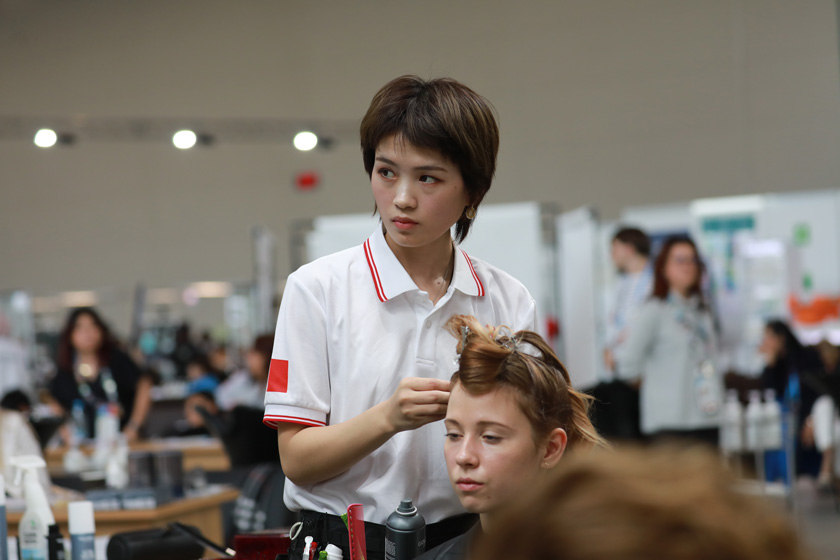
- Creative Arts and Fashion
- Social and Personal Services
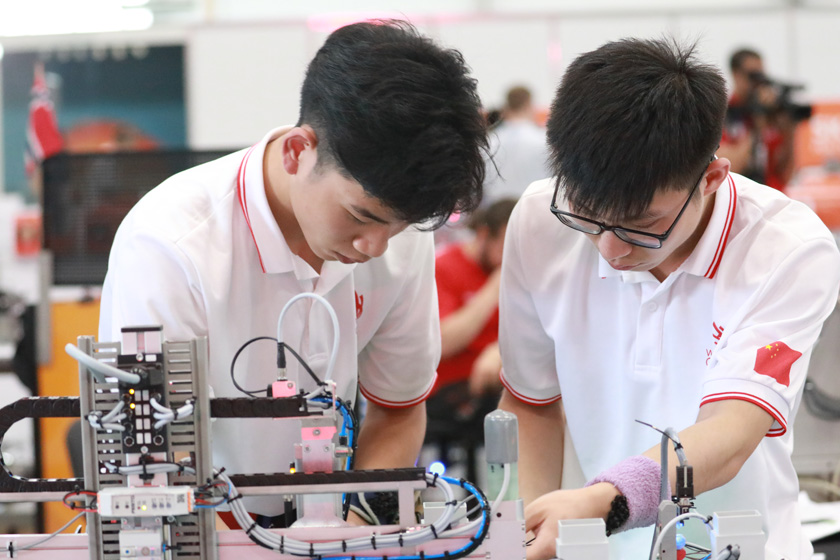
The 48th WorldSkills Competition will feature 64 skills, including the seven new additions: Dental Prosthetics, Digital Media Interactive Design, Intelligent Security Technology, Rail Vehicle Technology, Retail Sales, Software Testing, and Unmanned Aerial Systems.

22: Age limit for most skills
Under WorldSkills rules, the age limit for most skills is 22 in the competition year.
For certain advanced skills such as Additive Manufacturing, Aircraft Maintenance, Manufacturing Team Challenge, and Industry 4.0, the age limit is extended to 25.
For every competitor, this is a once-in-a-lifetime opportunity. Each member country or region can nominate only one competitor or team per skill, and each competitor can enter one skill and one WorldSkills Competition only.

700: Qualification for Medallions for Excellence
At WorldSkills, gold, silver, and bronze medals are not always awarded to a single competitor (team). If the difference between two or more competitors (teams) is no more than two points, they are allowed to receive tied medals.
Beyond medals, each skill also awards Medallions for Excellence. Competitors (teams) who score 700 points or more but do not win a medal receive this honor.
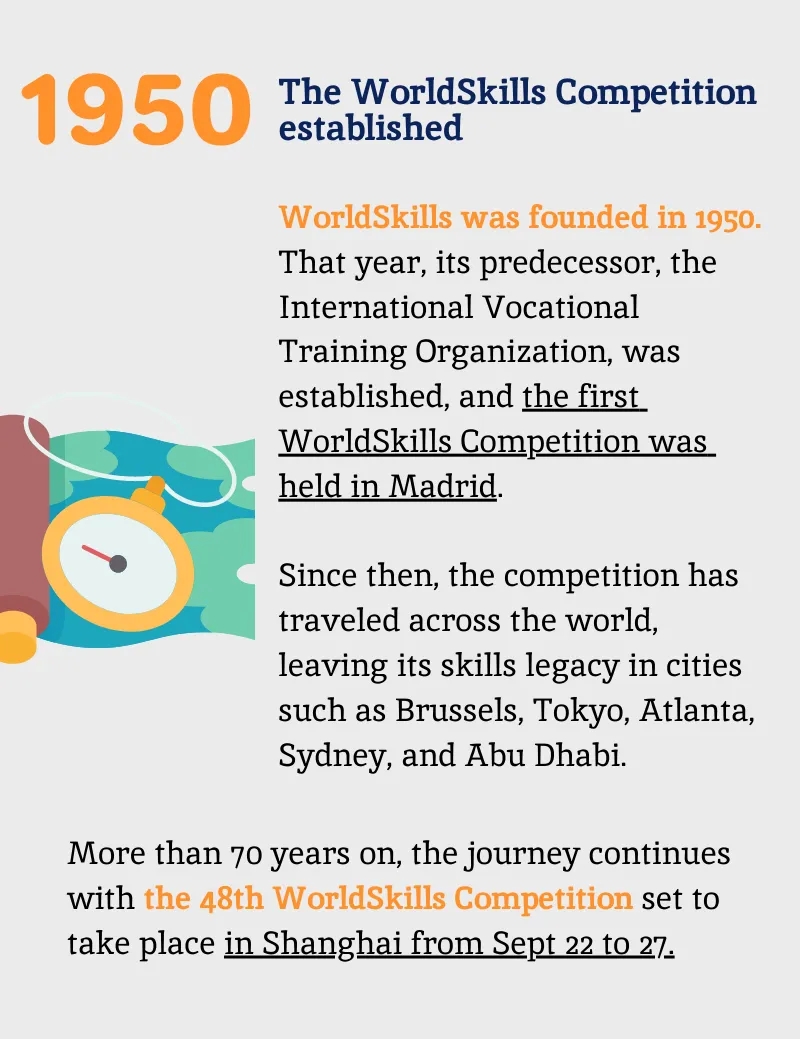
1950: The WorldSkills Competition established
WorldSkills International was founded in 1950. That year, its predecessor, the International Vocational Training Organization, was established, and the first WorldSkills Competition was held in Madrid.
Since then, the competition has traveled across the world, leaving its skills legacy in cities such as Brussels, Tokyo, Atlanta, Sydney, and Abu Dhabi.
More than 70 years on, the journey continues with the 48th WorldSkills Competition set to take place in Shanghai from Sept 22 to 27.
How the host of the WorldSkills Competition is selected
Host cities are selected through a process similar to the Olympic Games. Member countries and regions submit formal bids, and the host is chosen by vote at the General Assembly. The city receiving an absolute majority wins the right to host.
Source: Shanghai Municipal Bureau of Human Resources and Social Security