AI-powered traffic management eases congestion in Shanghai
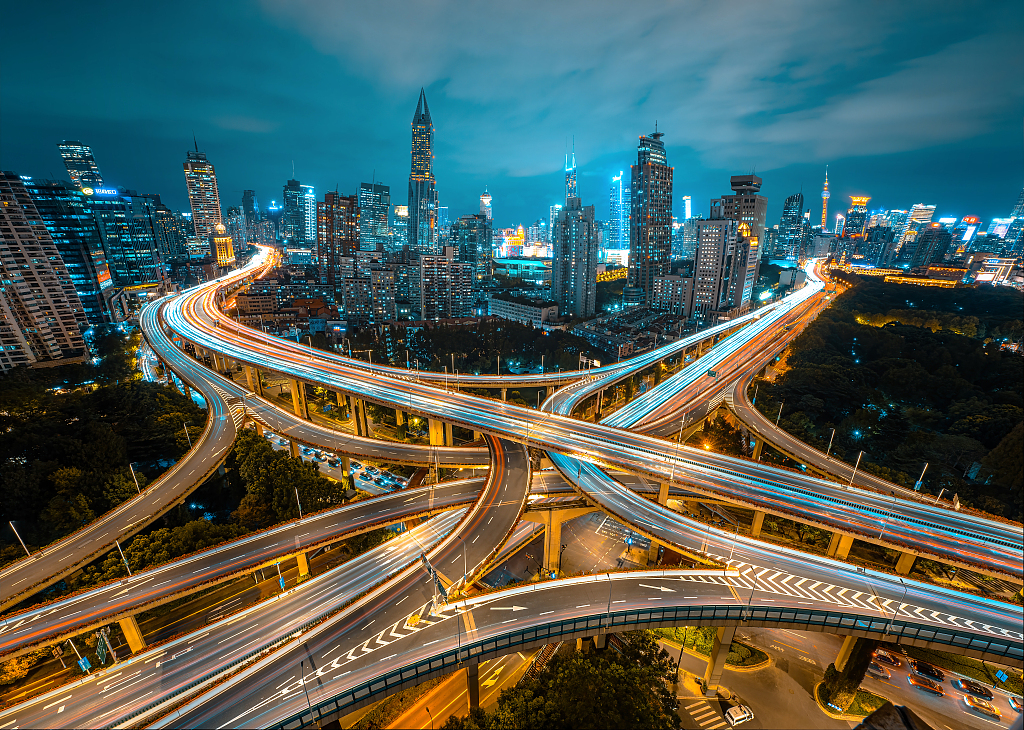
Shanghai has implemented an AI-powered traffic management system designed to improve traffic flow and reduce congestion. Leveraging big data and AI, the system has already shown promising results in optimizing traffic signal timing and incident response.
Developed by the Shanghai Public Security Bureau's traffic management department, the system is integrated within the Shanghai Road Traffic Management Information System, also known as "IDPS". Since its launch, the upgraded IDPS 2.0 has provided services such as traffic situation monitoring, instant congestion alerts, and diagnostic services for common traffic issues across 33,000 intersections in the city.
Trained on police strategies and road network rules, the model can intelligently analyze and continuously optimize traffic solutions. Its simulation module allows for the pre-assessment of congestion management measures.
A successful example of this system in action is the optimization of traffic signal timing at the intersection of Wanhangdu Road and Yuyuan Road in April. By adjusting the signal phases, extending the east-west phase and shortening the south-north phase, the AI-driven system achieved a 14.4 percent increase in average vehicle speed and a 10.6 percent reduction in the average number of stops per vehicle, despite a 3.3 percent increase in traffic volume.
In addition to optimizing traffic signals, the IDPS system includes a road traffic safety risk insight feature. This system aggregates data on accidents, violations, and police reports, sending out over 50 traffic anomaly alerts daily. These alerts enable police to respond quickly to incidents.
Shanghai's traffic management also benefits from advanced equipment. For example, police drones are deployed on elevated roads to automatically capture data such as license plates and accident scene photos.
Since April, drones have covered the entire Inner Ring Road, assisting in more than 200 incidents. As a result, the average time for vehicle removal after accidents has decreased from 10 minutes to just four minutes.
Overall, since the beginning of this year, the Shanghai police have used drones to assist in the handling of more than 6,200 incidents, including accident removals and breakdowns. This has led to an 11.3 percent year-on-year decrease in "110" police calls on roads patrolled by drones.
Source: Jiefang Daily


FAQs
- Do I need a physical marriage certificate when applying for a residence permit for private affairs?
- Do I need to declare my ADHD medication to customs during an airside transit at Shanghai Pudong Airport?
- Is Wusongkou International Cruise Terminal an eligible port under the 240-hr visa-free transit policy?
- What are the customs and quarantine requirements for pets entering or leaving China via Shanghai Pudong airport?