Shanghai aims to strengthen global medical hub status

Shanghai aims to accelerate its transformation into a leading international medical center in the 15th Five-Year Plan period (2026-2030) while delivering more equitable and high-quality healthcare services to its residents.
The city's 15th Five-Year Plan emphasizes piloting international medical services in public hospitals, the international standardization of traditional Chinese medicine, and expanded health cooperation with foreign friendship cities, according to a news conference held by the city's health authorities on March 3.
Shanghai is actively promoting international medical tourism. A total of 22 public medical institutions have been approved as pilot units for international medical tourism since September 2023.
According to the Shanghai Municipal Health Commission, in 2025, public hospitals in the city served 73,200 foreign patients, a year-on-year increase of over 8 percent.
In terms of supporting international medical services, Shanghai promulgated the Standards for International Medical Services in 2024. This is also the first national standard for international medical services in China.
In addition to international medical services, health authorities will prioritize bolstering Shanghai's role as an international science and technology innovation center by fostering research-oriented hospitals and advancing national-level projects targeting major chronic diseases, infectious diseases, and innovative drug development.
The city also aims to provide residents with more equitable and efficient health services.
The city intends to reform the long-term care insurance system, advance the digital transformation of medical insurance, and deepen the application of artificial intelligence in healthcare settings.
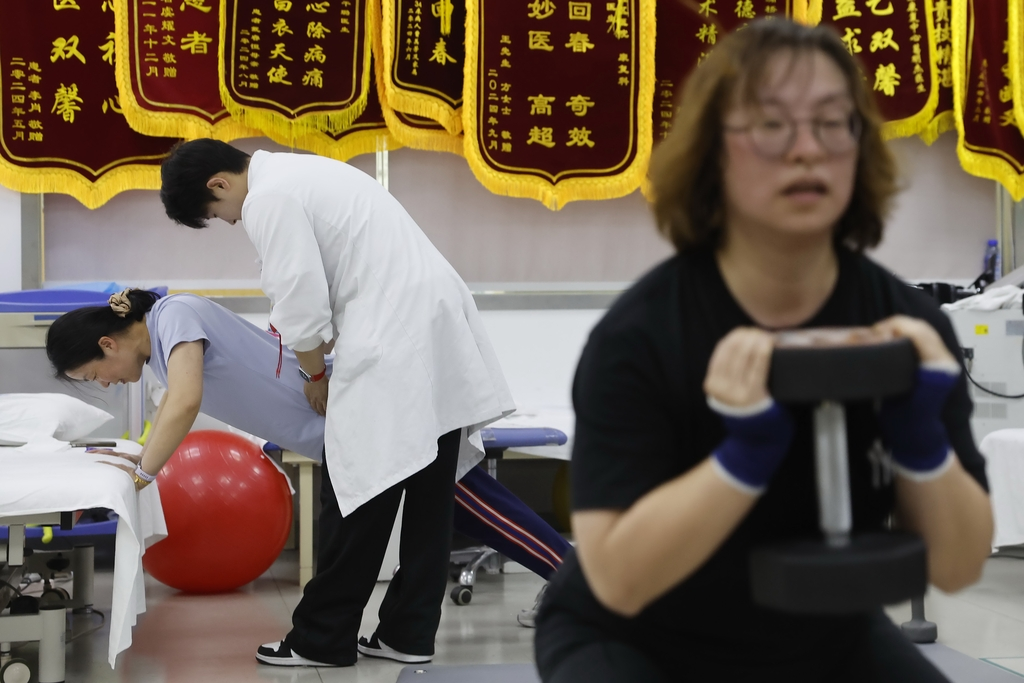
Efforts to improve healthcare quality include strengthening the development of clinical specialty capabilities, upgrading suburban hospital facilities, and reforming the emergency care system to achieve unified dispatch for the pre-hospital emergency services.
To bring medical services closer to home for residents, Shanghai will construct 20 standardized community surgical rooms, 30 community nursing centers, and 50 community mental health clinics. In addition, 6,000 automated external defibrillators will be installed in residential areas and public spaces.
Community-level healthcare will be further strengthened through establishing specialized departments, encouraging more residents to choose community clinics as their first option in medical treatment, deepening integration of medical and elderly care, and improving chronic disease management and hospice care.
The city will promote the allocation of appointment slots from higher-level hospitals to community level and facilitate personalized contracting with family doctors.
In the area of medical insurance, Shanghai plans to build a comprehensive multi-level security system by expanding coverage to key groups and optimizing funding structures. A unified medical assistance platform will be introduced to enable "one-stop" direct settlement of aid expenses.
The city will continue to reduce employer contributions to employee medical insurance to alleviate the burden on businesses. It will also refine policies supporting the adoption of innovative drugs and medical devices, explore cross-border trade mechanisms for drugs and medical devices, and strengthen communication between insurers and pharmaceutical companies.
Reforms in the medical insurance system will be deepened, including advancing the reform of diagnosis-related group (DRG)-based payment, and exploring the integration of DRG payment and diagnosis intervention packet (DIP)-based payment.
Sources: Shanghai Observer, Xinmin Evening News


FAQs
- Do I need a physical marriage certificate when applying for a residence permit for private affairs?
- Do I need to declare my ADHD medication to customs during an airside transit at Shanghai Pudong Airport?
- Is Wusongkou International Cruise Terminal an eligible port under the 240-hr visa-free transit policy?
- What are the customs and quarantine requirements for pets entering or leaving China via Shanghai Pudong airport?