Shanghai charts course for clearer waterways
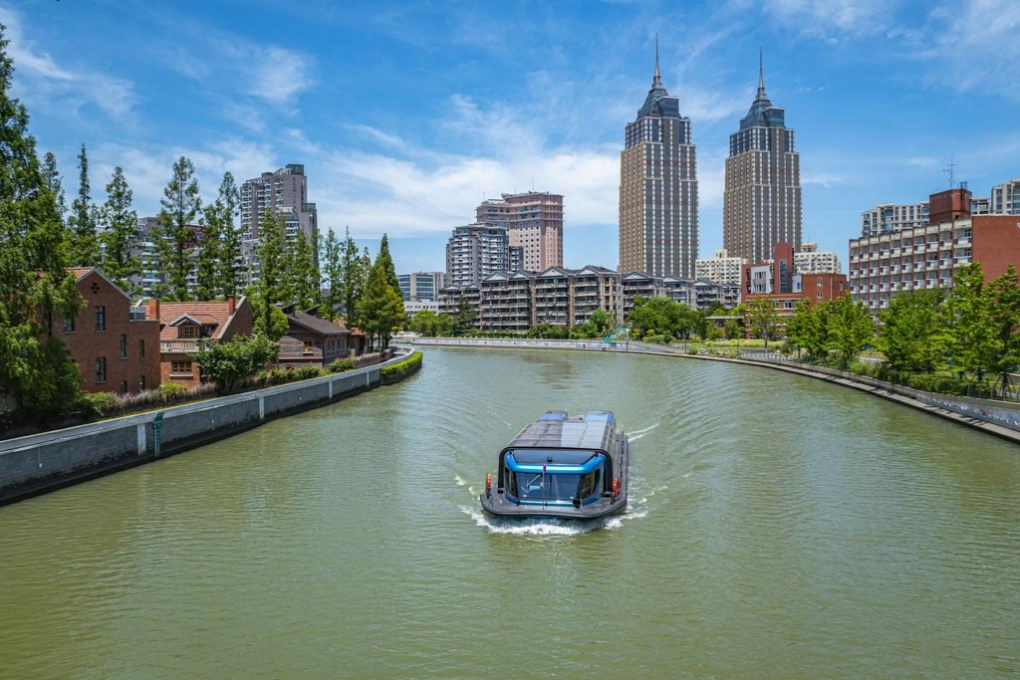
Shanghai is advancing its water management with a new plan to make rivers and lakes more accessible, cleaner, and more intelligently managed.
Announced on March 19 by the Shanghai Water Authority, the latest plan aims to establish at least 25 model "beautiful and harmonious rivers and lakes" by 2027.
Furthermore, by 2035, Shanghai intends to upgrade 50 percent of district-managed rivers and lakes and 35 percent of township and village-level waterways to improve ecological conditions and public access.
Clearer water in focus
A key focus of Shanghai's river management strategy is improving water clarity, an area of strong concern among residents.
Despite significant improvements in overall water quality, some residents still perceive a lack of water clarity in waterways. The perception stems from the fact that national water quality standards do not specifically address water transparency.
"Our efforts must resonate with the residents," said Xu Xiaodong, an inspector with the Shanghai Water Authority.
He further explained that on-site investigations show some waterways near residents' homes have a visibility of just 30 centimeters, a stark contrast with public expectations for clear waterways and visible aquatic life.
To address this concern, Shanghai launched a pilot program in 2024 to enhance water clarity in 100 rivers and lakes by the end of 2026, with 80 pilot sites completed by the end of last year.
A water visibility of at least 80 centimeters is now used as a key metric in evaluating the success of Shanghai's "beautiful and harmonious rivers and lakes" initiative.
Technology-driven efficiency
Shanghai is embracing technology to streamline river maintenance and improve efficiency.
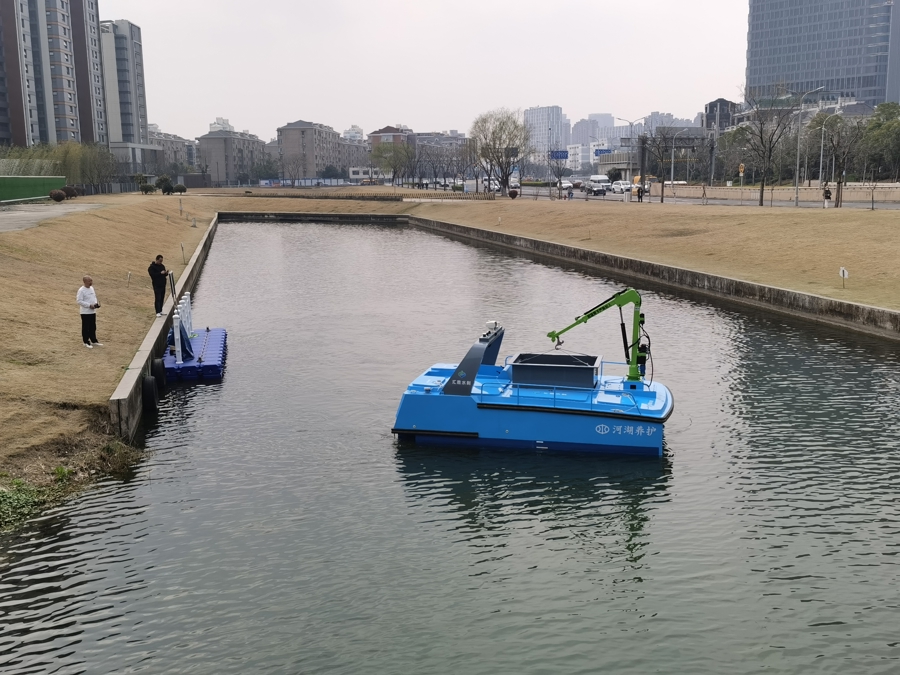
In the Longhua Airport River, for instance, an unmanned surface vessel patrols the water, collecting floating debris.
The vessel is dispatched automatically after a drone, equipped with image recognition technology, identifies trash and sends a video feed to an intelligent water management system. The system generates an electronic work order and assigns it to the nearest USV, which then navigates to the location.
"The efficiency of detection and disposal has increased significantly," said Chen Yan, deputy director of the Xuhui District Water Management Center.
She explained that the process, which previously took a day or more with manual patrols, can now be completed within an hour, reducing labor costs by approximately 60 percent and mitigating safety risks for workers.
Xuhui district plans to expand this model to 12 percent of its rivers within the next five years.
Public engagement and access
Shanghai aims to make its river improvements more accessible and engaging for residents.
The "beautiful and harmonious rivers and lakes" module on the "Suishenban" platform allows users to access information on over 100 rivers and lakes based on 12 different tags of service functions, such as sightseeing, science education, and night views.
Residents can use it to identify locations suitable for activities ranging from cycling and running to photography.
The platform also provides information on amenities such as restrooms, parking, and child-friendly facilities.
"It's not enough to just manage rivers well," Xu said. "Do they have good photo spots? Are they accessible for strollers and pets? Are they convenient to walk around? Answering these questions that people care about is what truly matters."
The platform serves as a digital hub for residents to provide feedback, report issues, and participate in the ongoing maintenance and improvement of Shanghai's waterways.
Source: Shanghai Observer